
Neurotransmitters: our neuronal language
Have you ever heard expressions like “having the memory of an elephant”? Or: “have the brain of a sparrow”?
Because yes, not so long ago, we thought that intelligence and brain size were linked.
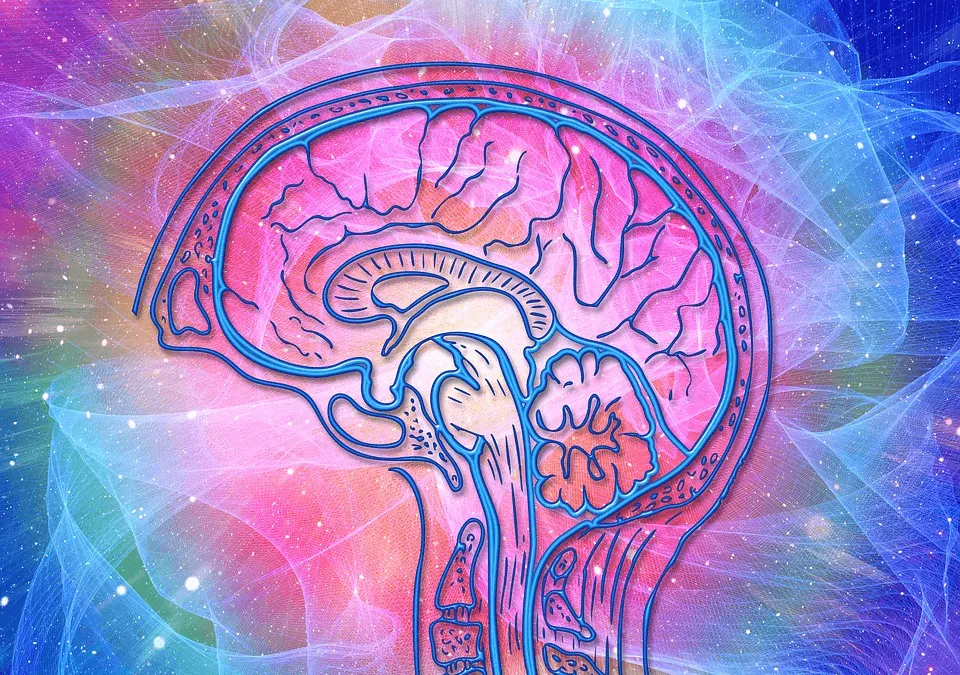
Today, it is no longer a secret; intelligence has nothing to do with the diameter of the forehead or the volume of our brain. We know that, despite its average weight of 1400 grams, the human brain is the most evolved and dynamic in the living world.
Key takeaways
- Neurotransmitters are chemical messengers released by neurons across synapses: it is the language of the brain.
- Nine main neurotransmitters regulate motivation, mood, sleep, memory and stress: dopamine, serotonin, acetylcholine, adrenaline, glutamate, GABA, endorphin, oxytocin and cortisol.
- A disruption of these circuits is associated with pathologies such as Parkinson's, Alzheimer's or depression.
- An excess or lack of these messengers can affect sleep, mood and motivation.
- In the event of a marked imbalance, consulting a psychologist allows you to consider appropriate support (CBT, EMDR, hypnosis, VRET).
1. THE COGNITIVE BRAIN: THE INTELLIGENCE OF THE NEURON
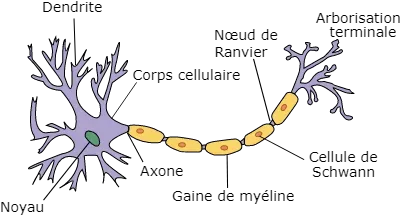
Intelligence is therefore clearly not a question of size, but rather a question of neuron and neuronal connections. Moreover, the brain contains as many neurons as there are stars in the galaxy; or around 100 billion. The difference is that the stars are isolated from each other, while the neurons communicate with each other, creating an interconnected dialogue with a thousand, sometimes ten thousand, other neurons.
This communication is viable thanks to contacts called synapse.
Indeed, if we are capable of thinking, feeling, perceiving, moving, remembering and forgetting, it is thanks to our neurons.
The neuron makes it possible to code, transmit and calculate the information required so that our functions can be deployed via nerve impulses.
In other words, the neuron can be considered as a communicating logic gate.
It carries incoming information in the form of nerve impulses traveling along the entire length of the axon (at a speed of more than 100 meters per second) and propagates to other neurons. Communication between neurons, as mentioned above, is possible thanks to synapses, which have the function of connecting neurons together.
In the synapse, a chemical language is created. Indeed, when a nerve impulse reaches a synaptic terminal of the axon, its arrival triggers the opening of channels through which a chemical substance called neurotransmitter flows into the narrow space between this neuron and the neuron it contacts.
2. NEUROTRANSMITTERS: OUR NEURAL ALPHABET
neurotransmitters, also called “messengers” (chemical) or neurotransmitters, are chemical compounds that are released by neurons, acting on other neurons (called postsynaptic neurons).
In other words, neurotransmitters constitute the language of the brain. It allows it to communicate with other brain cells in order to transmit the message throughout the body.
There are also different types of neurotransmitters, implying a sort of neural alphabet. Some manage your heart rate and blood pressure, while others make you feel motivated, stabilize your mood, anxiety or anxiety, regulate your appetite, your libido, or help you fall asleep. They also influence our behavior, our thoughts and our morale.
These types of neurotransmitters released at the synapse exert an effect on the target cell, either excitatory or inhibitory.
In addition to neurotransmitters themselves, certain classes of neurons produce substances which only exert a regulatory action on the functioning of the synapses of their target neurons, facilitating or inhibiting their effectiveness. These substances, called neuromodulators, are very important for optimal brain functioning: serotonin, dopamine, norepinephrine and acetylcholine.
The disruption of these neuromodulatory circuits is often associated with various pathologies: such a dopaminergic circuit with Parkinson's disease, such a cholinergic circuit with Alzheimer's disease, such a serotonergic circuit with nervous depression, and we raise the question of the role of neuromodulators in the appearance of schizophrenia, ADHD or autism.
In addition, to ensure optimal functioning, both physical and psychological, it is necessary to maintain an adequate balance in production.
3. THE NINE MAIN NEUROTRANSMITTERS TO KNOW
Dopamine
Dopamine plays an essential role in motivation and action (or motivation to action). It helps reinforce our positive behaviors by activating the reward circuit (the pleasure circuit). In other words, each time the action involved satisfaction, dopamine flows and causes a pleasant sensation.
It is therefore a hormone specific to pleasure. It’s what generates the surge of joy you feel when you achieve a goal or complete a task. As a result, the brain will seek to rediscover this sensation of immediate pleasure by reproducing the behavior.
This is the basis of learning.
High rates can lead to overwhelming enthusiasm to do and undertake. The imbalance to excess dopamine is undesirable. Qualities turn into defects; you react quickly, are impulsive, even violent.
Conversely, when dopamine is too low, this results in a weakening of motivation to act; a tendency to procrastinate. We no longer have the strength to do something we usually enjoy. We no longer want, we no longer feel pleasure.
Furthermore, a significant lack of dopamine can induce addictions (negative reinforcement of behaviors). This is because some drugs take advantage of your brain's reward system. They stimulate the brain to release an overabundance of dopamine, which creates a feeling of pleasure, even euphoria, but temporary.
Unfortunately, the crash that follows a dopamine spike can be brutal. Afterwards, you will feel depressed, tired and lack interest in your favorite activities.
Of course, drugs aren't the only thing that can alter normal dopamine levels in your brain; video games, gambling, shopping (and more) generate a similar feeling of euphoria.
And once a habit is ingrained, it can be difficult to break.
Serotonin
- appetite: digestion, feeling of satisfaction after a meal.
- sleep: promotes restful sleep and regulates your internal biological clock via body temperature
- awakening: promotes the metabolization of fat into energy, to feel more awake as well as muscle movement
Acetylcholine
Acetylcholine is an excitatory neurotransmitter that activates skeletal muscles. It therefore does its work at the neuromuscular junction (the place where the nervous system and muscles meet). In other words, acetylcholine comes into play every time you move your muscles.
Acetylcholine is also involved in attention, motivation, memory but also learning.
Adrenaline
This brain hormone is released during situations of stress and participates with cortisol to provide the body with sufficient energy and, therefore, to react to the emergency.
It is also released into the blood when we feel intense emotions. We have all felt at some point a great wave of anger, for example, flooding our body. And even after the target situation is over, we still have this indescribable feeling flooding our veins. This is why it is called “the thrill hormone”.
It is also present in the fight or flight mechanism (under the name of norepinephrine, in particular), but also in strong sensations of pleasure. Amusement parks take advantage of adrenaline by capitalizing on the feeling of exhilaration that adrenaline can cause.
Therefore, in these situations, it creates a surge of energy that accelerates the heart rate, raises blood pressure and directs blood to the larger muscles. We will feel more responsive to action, even more “alive”.
Glutaman
One of the most used neurotransmitters in the brain, secreted by more than 50% of neurons (especially so-called “pyramidal” neurons).
Glutamate has an excitatory effect, it is linked to our learning and memory.
As a result, neuroplasticity (or brain plasticity) depends on glutamate because it is thanks to this amino acid that the pathways between neurons are made with the aim of strengthening your memory and helping you learn.
GABA (y-aminobutyric acid)
Once again, this neurotransmitter is frequently used because it is the main neurotransmitter with a cerebral inhibition effect (around 20% of neurons in the brain). Its chemical formula, antagonistic to glutamate, allows slowing down of neuronal discharges. It therefore reduces activity in the central nervous system and blocks certain messages from the brain. In other words, it soothes.
Let us thank GABA because, without it, our brain would be constantly “on”, stimulated, in action. It decreases and calms your heart rate, our blood pressure and helps us relax before falling asleep.
If you are interested in secreting GABA, deep breathing and mindfulness meditation help stimulate its production.
Endorphin
Endorphin is a endogenous opiate (produced by different regions of the brain and spinal cord) who have a inhibitory effect on the transmission of pain signals. In other words, the main function is thereduction of painful sensations. As a result, it regulates the hormonal response to stress (cortisol) but also pleasure. Also called “ pleasure hormone » because it is secreted during or after exercise (sport, after sexual intercourse, etc.).
Oxytocin
Called “ love hormone » it is much more than the chemical messenger of affection which is usually presented to us. Oxytocin is a powerful neurotransmitter that affects bodily functions.
So oxytocin:
- causes uterine contractions during childbirth,
- promotes the emotional bond between mother and child immediately after birth,
- allows breastfeeding by stimulating the flow of breast milk
That the male gender does not feel sidelined, because oxytocin has a primordial role inestablishing connections of loyalty and trust. In other words, strong friendships, important relationships with our friends and family involve the production of oxytocin.
Cortisol
This neurotransmitter, commonly called “ the stress hormone » assures our general energy and therefore our physical and psychological performances on a daily basis and during anxiety-provoking situations to react.
On a daily basis, outside stress linked to a particular situation, the release of cortisol normally follows a precise cycle throughout the day, with highs and lows, in order to ensure wakefulness or, on the contrary, rest. In everyone, this brain hormone plays an essential role in the organization of our sleep-wake rhythm.
As a result, overproduction of cortisol can disrupt the proper functioning of the sleep-wake cycle. Rates stay high at times when they should be low and vice versa. Ultimately, people with excess cortisol are regularly in a state of nervous imbalance. Plagued by insomnia and/or difficulty falling asleep, this commonly results in cerebral excitement or mental ruminations. This excess is significant during the development of phobic disorders.
Finally, let us note that cortisol also plays a role inanti-inflammatory : the continued increase in cortisol production can also weaken the immune system in the longer term. As a result, the body becomes more vulnerable to infectious, bacterial and fungal agents.
4. CONCLUSION: MAINTAIN A BALANCE, KNOW WHEN TO CONSULT
As you will have understood, the interest in knowing the consequences of neurotransmitters on our daily lives necessarily implies that our daily routines (such as health and diet rules) have an impact on our brain chemical balance (and ultimately, our mental and physical well-being).
The search for balance can be done with the help of a psychologist in order to bring new learning, in order to untie our harmful past conditioning from our daily lives and replace them with more beneficial and healthy habits.
Cognitive therapies, EMDR or hypnosis are effective alternative therapies.
VRET (virtual reality exposure therapies), unlike other therapies that use the imagination, will allow you to immerse yourself in environments in order to work directly on your behaviors, your dysfunctional cognitive thoughts and your emotions. Virtual reality therapy can address many problems at different ages, whether: anxiety disorders, phobias, addictions, neuropsychological disorders (ecological environments of cognitive stimulation) and other mood disorders such as depression (through activation behavioral which is a major therapeutic lever).
However, in excess, it is important to consult, in order to check whether a suitable complementary treatment would be recommended in addition to therapy.

C2Care, a leader in immersive technologies for mental health
Create your free account to explore over 250 virtual reality exposure situations and subscribe directly online.
Neurotransmitters and Virtual Reality FAQs
What is a neurotransmitter?
A neurotransmitter is a chemical substance released by a neuron at the synapse. It acts on other neurons to transmit information throughout the body. It constitutes the language of the brain, allowing communication between nerve cells.
What is the difference between a neurotransmitter and a neuromodulator?
A neurotransmitter exerts a direct excitatory or inhibitory effect on the target cell. A neuromodulator, such as serotonin, dopamine, noradrenaline or acetylcholine, regulates the functioning of synapses by facilitating or slowing down their effectiveness, without acting directly.
What are the nine main neurotransmitters?
The nine main neurotransmitters are dopamine, serotonin, acetylcholine, adrenaline, glutamate, GABA, endorphin, oxytocin and cortisol. Each influences motivation, memory, mood or stress response differently.
What is the role of dopamine?
Dopamine is involved in motivation and action, via the reward circuit. An excess promotes impulsivity, a lack leads to procrastination and loss of pleasure. It also plays a role in addiction mechanisms.
What is the role of cortisol?
Cortisol, called the stress hormone, provides the energy necessary for physical and mental performance. It organizes the sleep-wake rhythm. Excessive production disrupts this cycle, promotes insomnia, mental ruminations and can be associated with phobic disorders.
What is the role of GABA?
GABA is the main inhibitory neurotransmitter in the brain, present in approximately 20% of neurons. It slows neuronal activity and calms heart rate and blood pressure. Deep breathing and mindful meditation stimulate its production.
When should you consult in case of neurotransmitter imbalance?
A chronic imbalance of neuromodulatory circuits is associated with various pathologies: Parkinson's disease, Alzheimer's, depression, and questions the role in schizophrenia, ADHD or autism. Faced with prolonged excess, consulting a practitioner allows you to evaluate a suitable complementary treatment.
What disorders can be treated by virtual reality exposure therapy?
Virtual reality exposure therapy addresses anxiety disorders, phobias, addictions, neuropsychological disorders and mood disorders such as depression, via behavioral activation. It allows you to work directly on the patient's behaviors, dysfunctional thoughts and emotions.
Author
C2Care
Related articles

Behavioral activation
Faced with depression and its negative symptoms, behavioral activation is today a first-line treatment whose effects continue to be highlighted in the scientific literature. Theorized in the 1950s, developed in the 1970s and popularized in the 1990s, behavioral activation shows effects equivalent to anti-depressants and cognitive therapy, while simplifying the patient's therapeutic path. Spotlight on this still little-known technique.
High Intellectual Potential
HPI, Surdoué or even Zebra. All these terms overlap under the same principle. HPI is a term that we hear a lot about lately, whether on television through the news or series (eg: HPI with Audrey Fleurot), or even on social networks. Let's take stock of High Potentials together. HPI stands for **“High Intellectual Potential”**. This indicates that people have higher **cognitive intelligence** than people in the same age group. For a person to be considered HPI, they must have an IQ (Intelligence Quotient) **higher than 130**, which corresponds to **2.3%** of the population with the highest IQ.

Improve your concentration
Knowing how to concentrate is not something innate, you have to learn to develop it. And yet, it is the key to our development in our personal and professional life, and will help you achieve your goals. Therefore, it will bring you personal satisfaction and pride of accomplishment. However, it is not easy to cut ourselves off from all surrounding or internal distractors and pay particular attention only to our objective. Here are some tips on how to improve your concentration.

Better understand Attention Deficit Disorder (ADHD)
It is a disorder that we hear more and more about, with the impression, sometimes, that it is thrown around indiscriminately. It remains one of the most common neurodevelopmental disorders, which the constant improvement of diagnostics is bringing to light. However, it remains too little known in its operation and presentation. Shedding light on ADHD and what this acronym means.

Understanding your stress
It is not always easy to understand your stress in a situation and recognize it. It is sometimes difficult to know what this anxiety refers to. And yet this is necessary to reduce this anxiety, its symptoms and regain daily serenity.
August 31: International Overdose Prevention Day
It is International Overdose Prevention Day. In France, several hundred overdose deaths were recorded in 2022, affecting people aged 15 and over. Drug use is increasing, and both users and dealers are increasingly turning to hard drugs. Those who used to sell cannabis may now also sell cocaine. These drugs have become easier for users to obtain. Drug dealing now includes an on-demand delivery model: the police have noticed that some people have drugs delivered to them. Saving lives by preventing the use of illicit substances has therefore become a priority.