
Mindfulness meditation
When we are overwhelmed by our thoughts, mindfulness meditation is a breath of fresh air to find our bearings.

Key takeaways
- Mindfulness meditation is a state of presence: it consists of fully experiencing thoughts, emotions and sensations without becoming attached to them.
- Unlike relaxation, it does not aim for immediate well-being but develops, in the long term, detachment and acceptance.
- It helps to take a step back from intrusive thoughts and emotions, seen as ephemeral mental events.
- It is used in the management of depression, anxiety disorders, ADHD, PTSD, chronic pain and sleep disorders.
- Free tools exist online, but support from a trained practitioner (MBSR, MBCT) is recommended for therapeutic use.
1. WHAT IS MINDFULNESS MEDITATION?
Mindfulness is a state of presence in the moment. It is the full experience of the sensations, emotions and thoughts that pass through us, without lingering or attaching to them.
Mindfulness meditation is therefore the practice which allows us to train ourselves to reach this state, to let go of our mental attachments to reconnect in the present moment with conscious attention which can be internal, on physical sensations or emotions for example, or external, focused on noises, events, etc.
Inspired by Buddhist meditations, it is however not spiritual. It is a real therapeutic tool with many benefits.
2. MEDITATION AND RELAXATION, WHAT’S THE DIFFERENCE?
Relaxation is a practice whose primary objective is to achieve a state of relaxation and well-being. Whether it is muscular relaxation (Jacobson's progressive relaxation), respiratory (cardiac coherence) or self-hypnosis (Schultz's autogenic training), the relaxation session is supposed to immediately relieve stress and anxiety, with effects of varying duration over time. The primary objective, however, remains very short term.
Meditation, on the other hand, has no immediate well-being goal. This is an exercise that can be difficult or boring. Some people find it to have a relaxing effect, but it is not particularly sought after and far from being systematic. On the other hand, mindfulness provides in the long term a set of capacities for detachment from thoughts and emotions, for acceptance of difficulties, to cope with everyday life.
3. WHAT ARE THE EFFECTS OF MEDITATION IN DAILY LIFE?
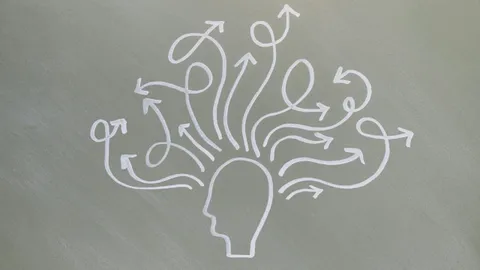
The first effect is that of serenity. Situations that previously appeared insurmountable seem less important, less impressive. Mindfulness helps to put things into perspective and put distance between our thoughts and the impact they can have. Intrusive thoughts are just that: thoughts. Mental events that have no impact on reality. They appear, we become aware of them, then they disappear. Not dwelling on them helps prevent them from clinging to our consciousness, letting them slip away and disappear.
It is the same for emotions, simple mental events which are born and live for a short time in our mind before quietly disappearing.
Becoming aware of the ephemeral nature of thoughts and emotions allows you to realize that no suffering is infinite, that no difficulty can last indefinitely, and that although it is important to fully experience your thoughts and emotions when they appear, they will always eventually disappear.
Mindfulness also allows, in an ultra-connected world and always on the move, focused on the future, to focus again on the present, to get out of autopilot, and to fully rediscover life's experiences.
4. IN WHICH SITUATIONS SHOULD YOU USE MEDITATION?
Mindfulness meditation can be beneficial to everyone. It allows everyone to free themselves from unnecessary worries and reconnect with the present for a more serene life.
However, it is an extremely useful tool in the treatment of many pathologies:
- depression (more specifically the MBCT program)
- anxiety disorders (more specifically the MBSR program)
- ADHD
- PTSD
- chronic pain
- sleep disorders
- anxiety disorder linked to a chronic illness
More generally, mindfulness meditation helps patients suffering from negative intrusive thoughts and ruminations by allowing them to better realize the ephemeral nature of cognitions and to reduce their impact. Thoughts are seen as simple mental events with no impact on the real world, which diminishes their effect and facilitates cognitive restructuring.

C2Care, a leader in immersive technologies for mental health
Create your free account to explore over 250 virtual reality exposure situations and subscribe directly online.
5. HOW TO PRACTICE MINDFULNESS?
Nowadays, many tools and guides are available for free on the Internet. They offer a good introduction to the practice of mindfulness, without going into the details of more in-depth programs.
If you suffer from one of the disorders mentioned above, or you think that mindfulness meditation could be beneficial in your life in the long term, do not hesitate to contact a trained professional who will be able to offer you a program adapted to your needs.
Professionals wishing to learn how to practice mindfulness can turn to training in specialized therapeutic protocols such as Mindfulness Based Stress Reduction (or MBSR) and Mindfulness Based Cognitive Therapy (or MBCT). Practicing mindfulness also helps to teach it, to better understand the experience of this practice, its difficulties and the solutions that can help practice it.
Virtual Reality and Virtual Reality Exposure Therapies (VRET) also offer additional tools for mindfulness practice, with digital environments that help facilitate and guide meditation practice.
Mindfulness Meditation and Virtual Reality FAQs
What is a virtual environment?
A virtual environment is an immersive digital scene that reproduces a real place or situation (street, transport, enclosed space, etc.). In the practice of mindfulness, these environments serve as a support to guide the patient's attention towards their sensations and the present moment.
How long has this existed?
C2Care has been testing its software in hospitals since 2016. This practice is based on the principles of cognitive-behavioral therapies, transposed into immersive environments to facilitate graduated exposure and daily support for patients.
Can I feel nauseous while using the headset?
Some people may experience cybersickness (nausea, dizziness) when using a virtual reality headset. This phenomenon affects around 10% of users and generally remains temporary. The practitioner adapts the session if this type of discomfort appears.
Who can use virtual reality for treatment?
Therapeutic virtual reality is aimed at trained practitioners: psychologists, psychiatrists and occupational therapists in particular. It is used in private practice as well as in health establishments (CHU, hospitals, clinics, EHPAD) to support the patient under professional supervision.
Which patients can benefit from a VRET?
Mindfulness meditation and related tools in VR are helpful for depression, anxiety disorders, ADHD, PTSD, chronic pain, sleep disorders, and anxiety related to chronic illness. The practitioner adapts the program to each patient.
As a therapist, what are the advantages of equipping yourself with virtual reality devices?
Virtual reality allows for graded exposure in a secure and reproducible setting, ensuring consistent care. It also promotes patient engagement thanks to its immersive aspect, and allows each exercise to be adapted to the patient's specific needs.
Author
C2Care
Related articles

Jacobson progressive muscle relaxation
This relaxation method has been around for a long time and has therefore already been scientifically validated many times. You can use it with your patients with all anxiety disorders, with all phobias, in particular agoraphobia, generalized anxiety disorder (chronically stressed people who need relaxation).
Understanding CBT: an effective and concrete approach to get better
Cognitive-behavioral therapies, or CBT, are today among the most used psychotherapeutic approaches and the best validated by scientific research. Recommended by many health authorities, they are aimed at people who wish to better understand their psychological difficulties and learn how to overcome them in a concrete way.

Cognitive therapy: Self-observation
Cognitive therapy is used to help patients transform their way of thinking, to no longer interpret the situation in a dysfunctional way. For example, upon seeing a dog, the patient immediately thinks that the dog will bite him. The objective of these sessions is to change the way of thinking.

Cardiac coherence
Cardiac coherence is a breathing technique which aims to immediately reduce the heart rate in a particularly stressful situation. You can be fully involved in regulating your emotions, in a quarter of an hour a day.

Sophrology
Reducing your anxiety by being completely in control of your body and your thoughts is the very principle of sophrology. This therapeutic technique is based on various methods of relaxation, breathing, and imagery which bring rapid and long-term relief. Sophrology has also proven itself when used accompanied by virtual reality.

Virtual nature, real well-being
Regular exposure to nature is an integral component of good mental health. The sun, greenery, and wind are all elements that contribute to good psychological balance and a better quality of life. However, certain unforeseen events in life sometimes prevent us from fully enjoying these benefits. Highlighting an alternative solution to allow as many people as possible to enjoy nature: virtual nature.