Aviophobia

Aviophobia: virtual reality exposure for your patients

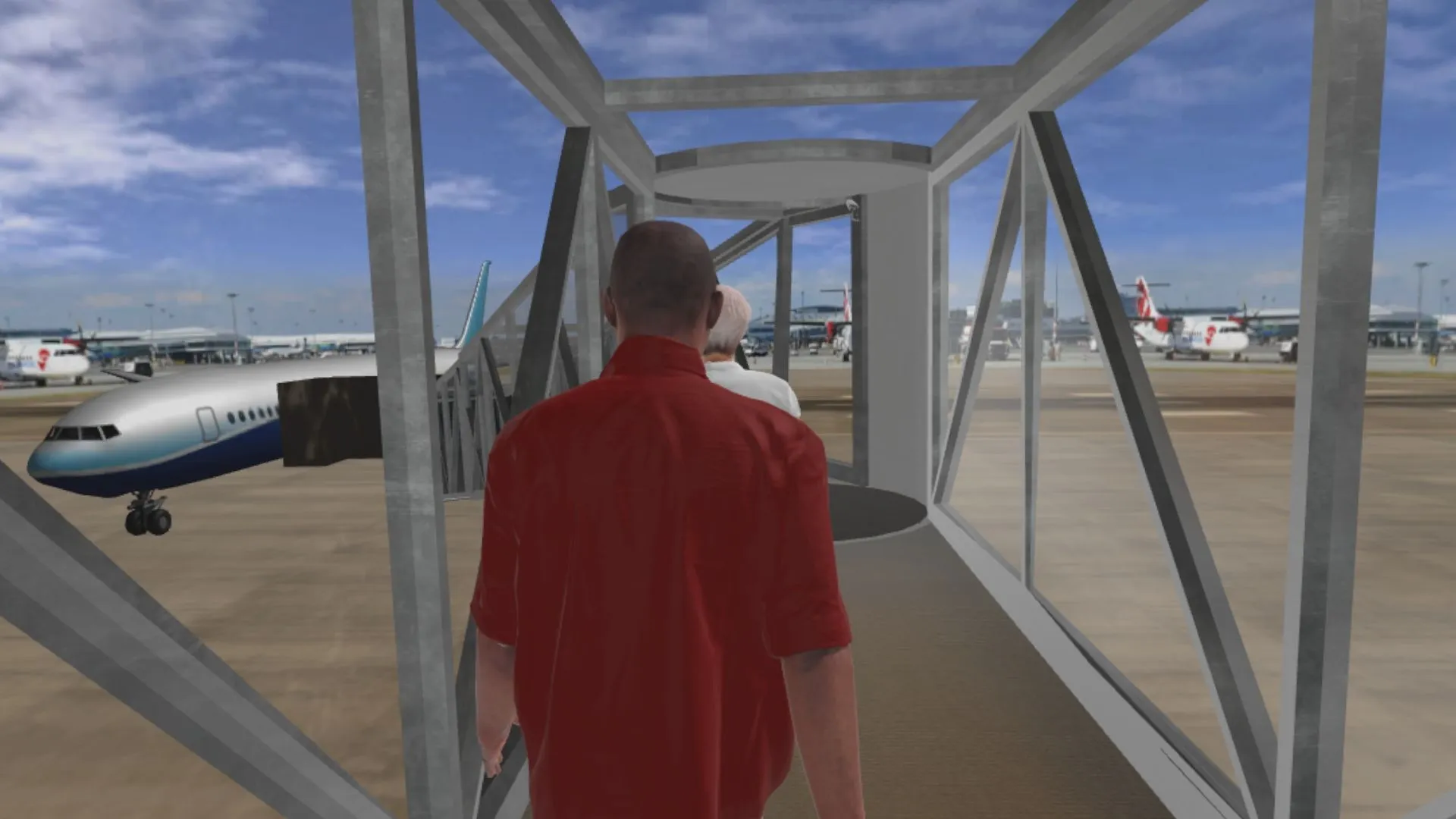
Passenger walking through a glass boarding bridge
+350
facilities
equipped
+700
practitioners
trained
+10
years
of expertise
+25
countries
of deployment

Limits of in vivo exposure

Passenger plane on an airport tarmac

Working on anticipatory anxiety in virtual reality

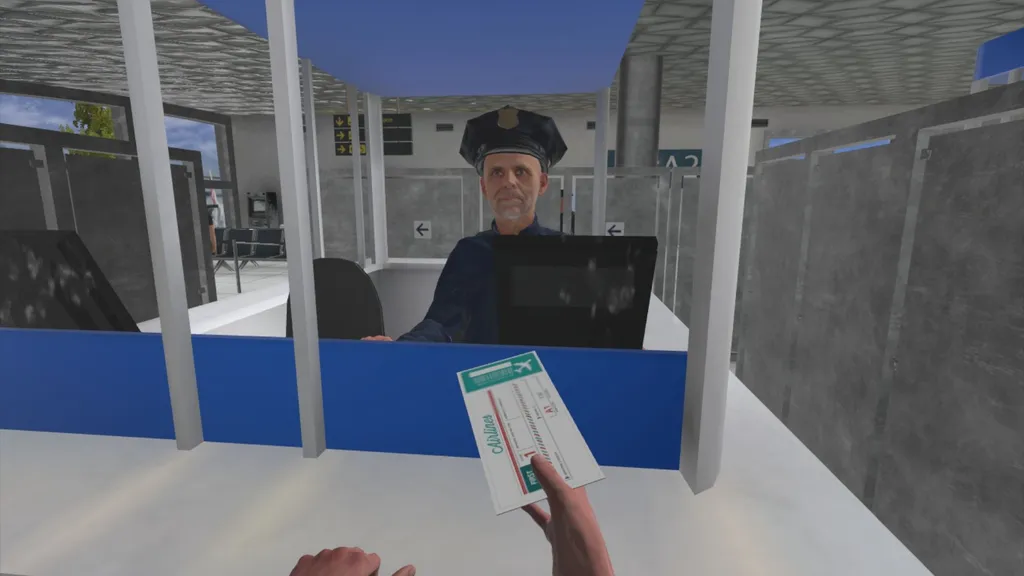
Passenger showing a document to an airport agent

VRET

How do you use virtual reality?

  1. 1

    Equip the patient

  2. 2

    Choose the environment

  3. 3

    Adjust the exposure

The three steps of C2Care virtual reality therapy

Environments

Virtual environments to treat aviophobia

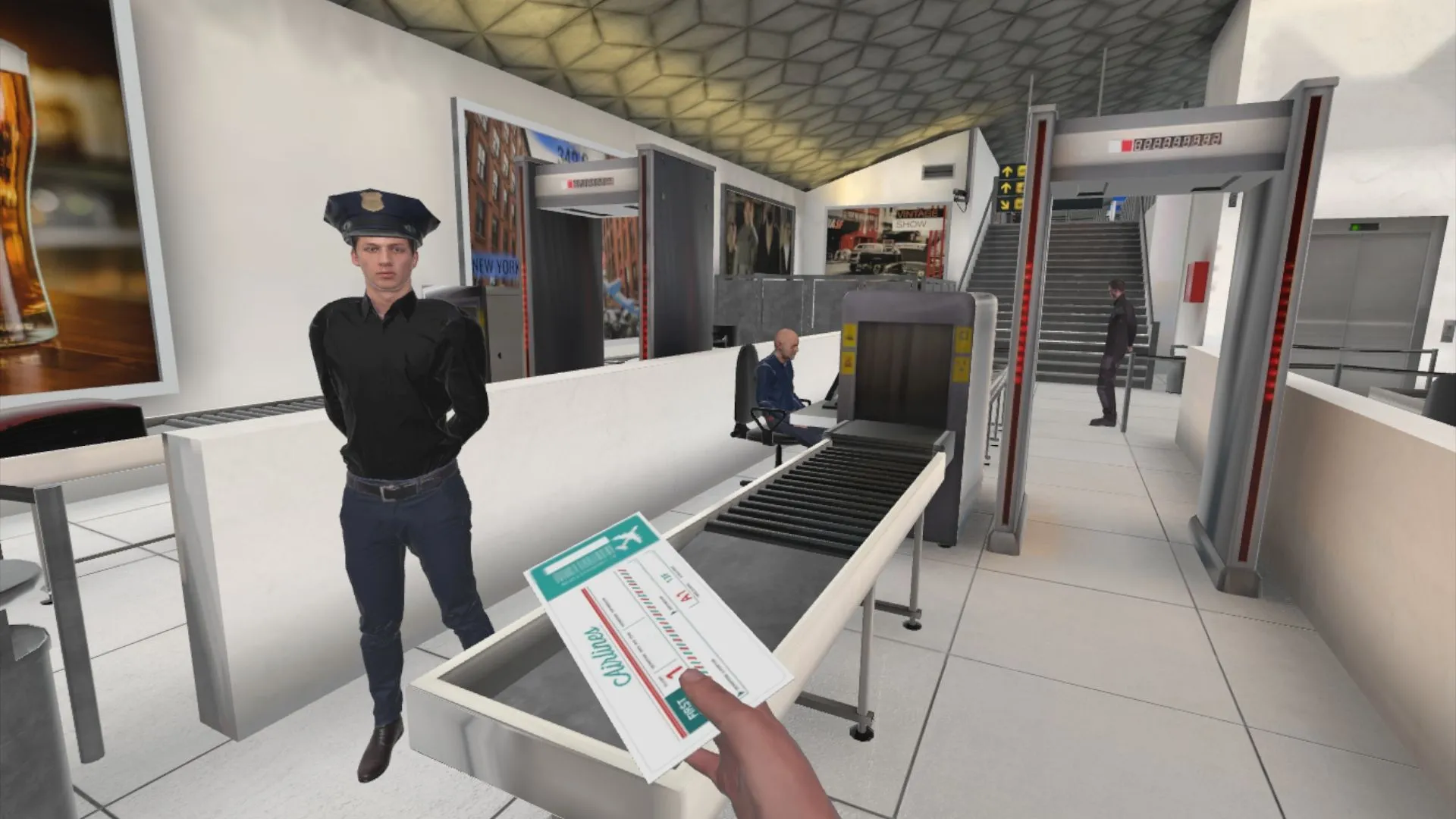
Passenger going through airport security

Airport

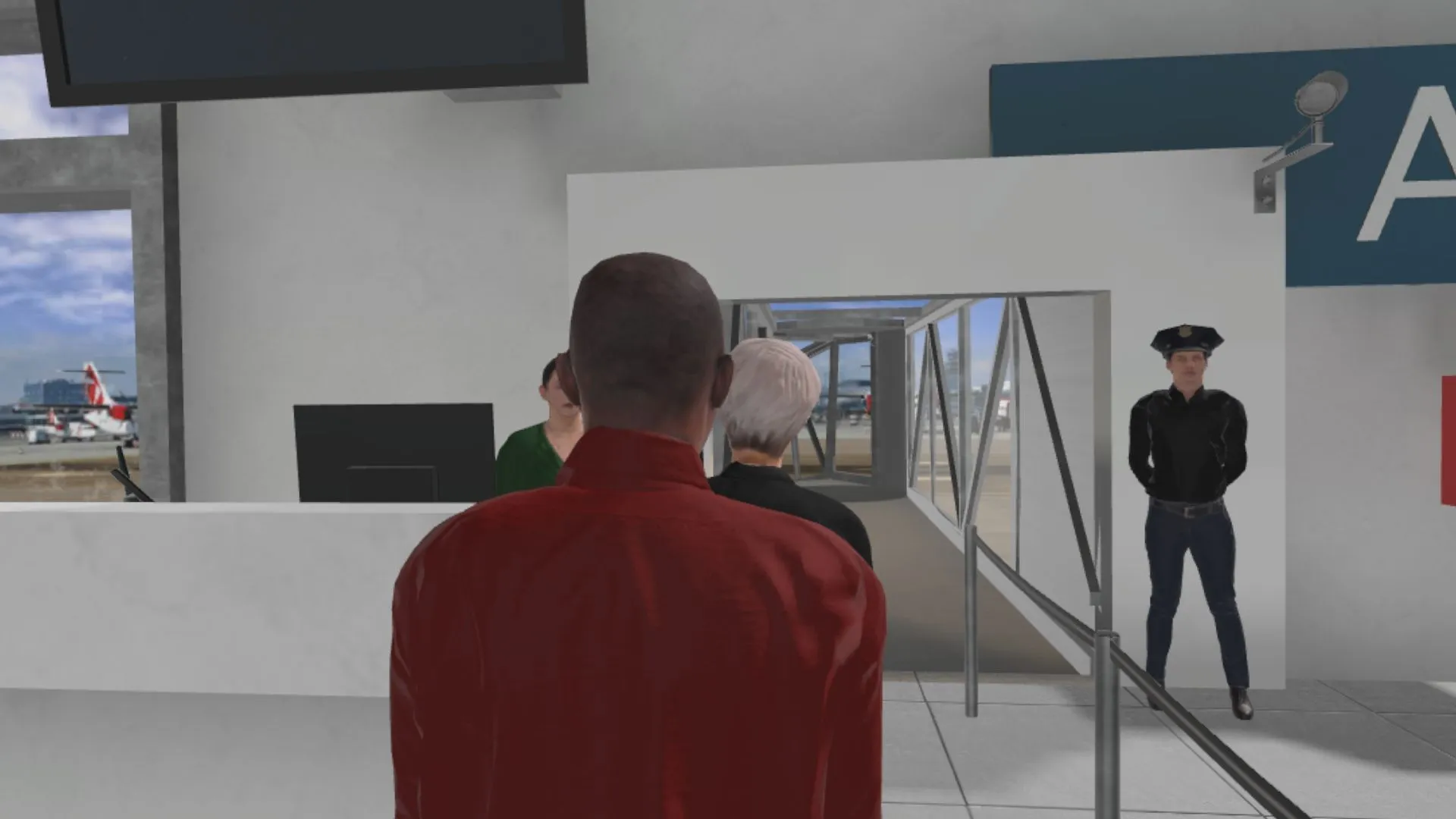
Passenger showing a document at the boarding counter

Boarding

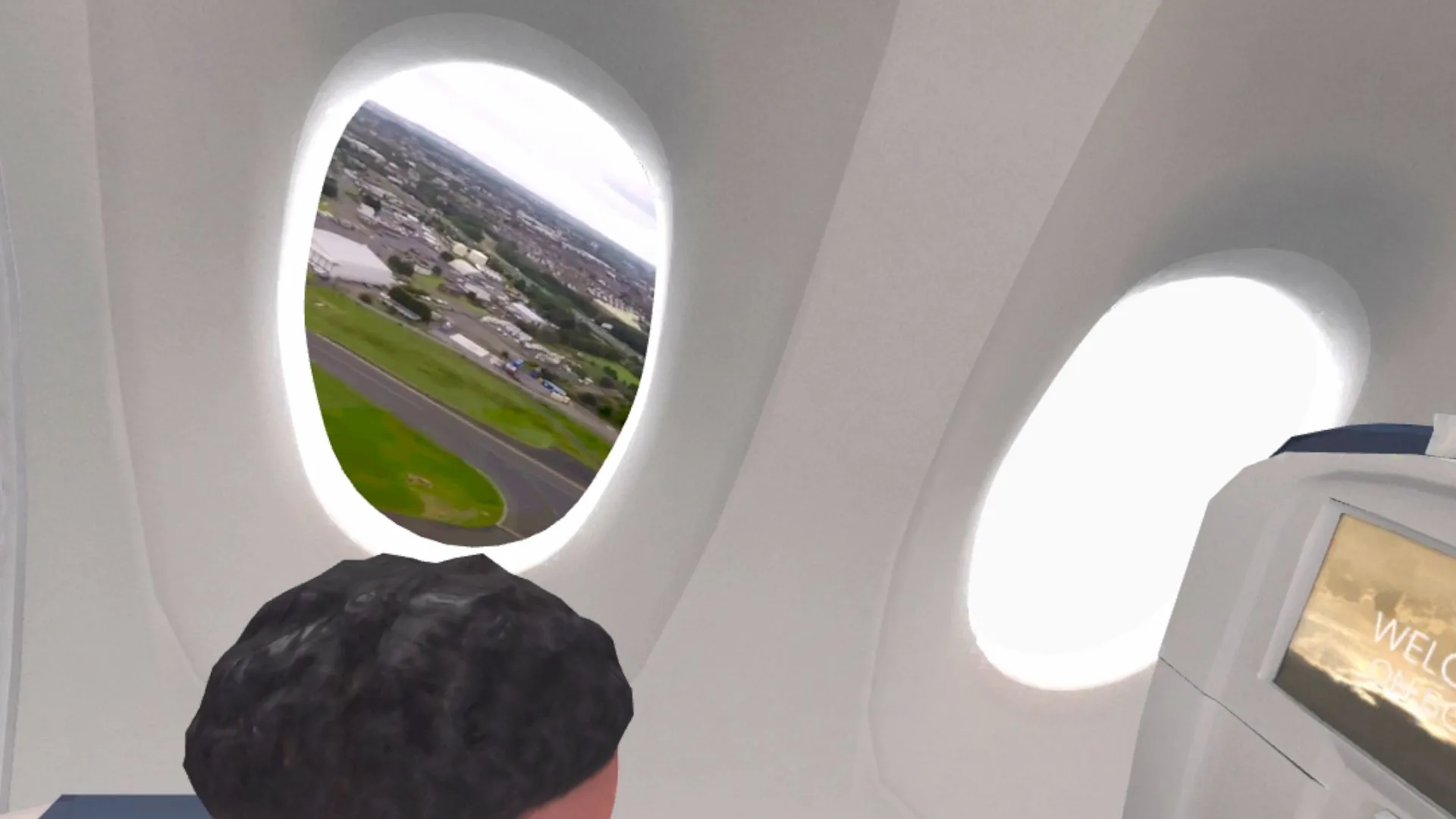
Takeoff seen through aircraft windows

Takeoff and flight

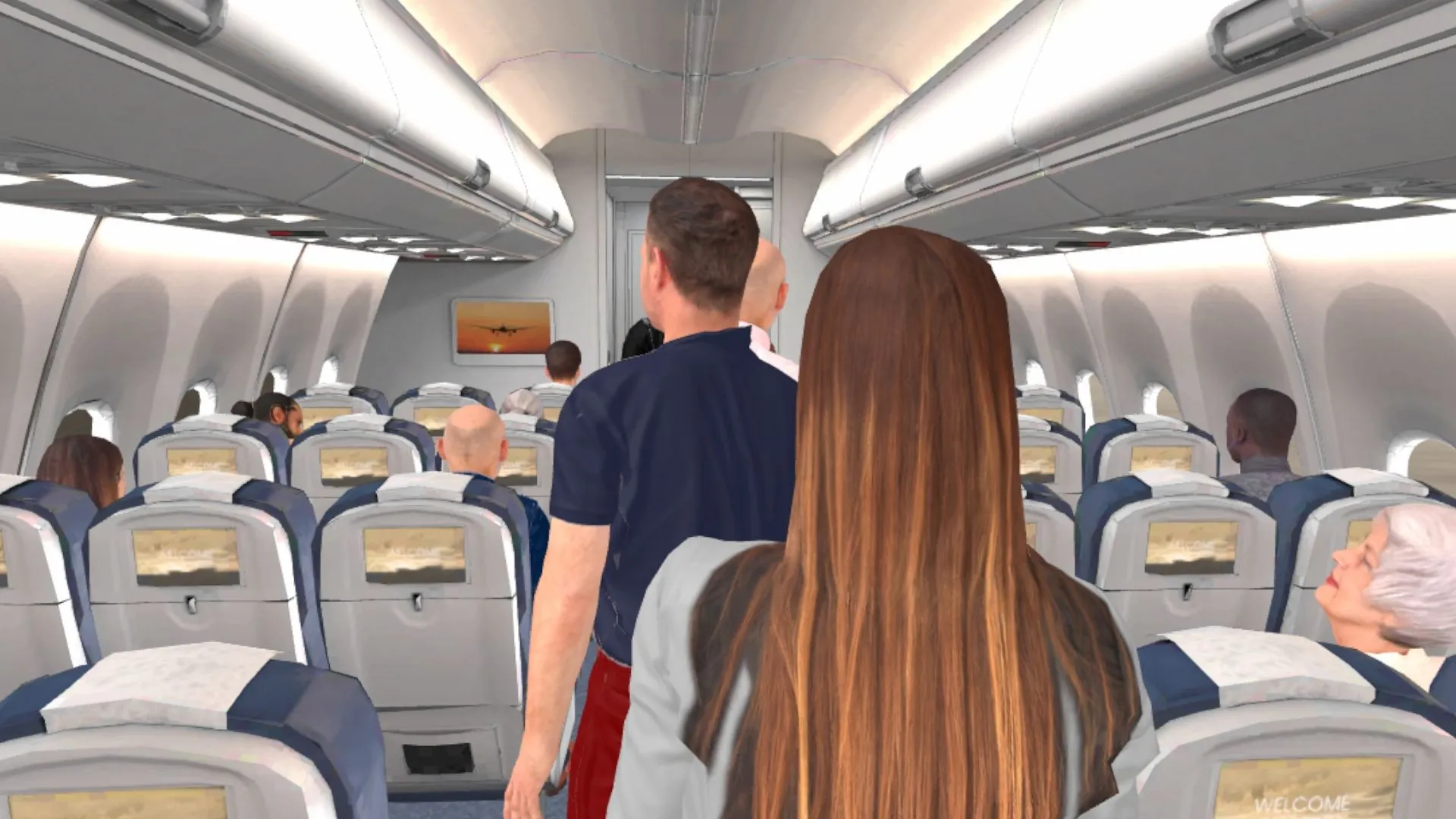
Passengers standing in an aircraft aisle after the flight

Landing

Over 250 exposure situations

They trust us

  • MGEN
  • AP-HP
  • APHM
  • CHU de Nantes
  • CHU de Nice
  • CHU de Montpellier
  • Korian
  • Orpea
Portrait of Solène Montègue, neuropsychiatrist

Solène Montègue

Neuropsychiatrist

Portrait of Samia Lahya, psychiatrist

Samia Lahya

Psychiatrist

Portrait of Sabrina Gineau, psychologist

Sabrina Gineau

Psychologist

Portrait of Noël Schepers, psychologist

Noël Schepers

Psychologist

Portrait of Mélanie Boucherot, psychologist

Mélanie Boucherot

Psychologist

Portrait of François Maltese, psychologist

François Maltese

Psychologist

Portrait of Marie-Claude Roberge, neuropsychologist

Dre Marie-Claude Roberge

Doctor of Psychology

Portrait of Laure du Pouget, urologist

Dr Laure Du Pouget

Urologist

Portrait of Delphine Py, psychologist

Delphine Py

Psychologist

An approach supported by the literature on virtual reality

  • Randomized controlled trial

    Mesquita et al. — Virtual reality versus 2D videos for fear of flying: randomized controlled trial with long-term follow-up

    Is virtual reality always better than 2D videos? A head-to-head randomized controlled trial for fear of flying with long-term follow-up

    2025View
  • Randomized controlled trial

    Lacey et al. — oVRcome: autonomous virtual reality for specific phobias

    oVRcome - Self-guided virtual reality for specific phobias: A randomised controlled trial

    2023View
  • Clinical study

    Ribé-Viñes et al. — Virtual reality exposure with vibrotactile stimulation for the treatment of fear of flying

    Virtual reality exposure with vibrotactile stimulation for the treatment of fear of flying: A pilot study

    2024View

Discover more

Explore other areas of care

Over 250 exposure situations

FAQ

Frequently asked questions about aviophobia and virtual reality

What percentage of people are affected by fear of flying?

Do I have access to all application environments?

Who to contact if there is a problem with the virtual reality headset?

Why use virtual reality to treat fear of flying?

Since when has virtual reality been used in therapy?

Can I feel nausea while using the virtual reality headset?

How long does a virtual reality exposure session last?