









Solutions for healthcare professionals

Virtual reality and artificial intelligence tools to enrich your clinical practice

Doctor filling out a form beside a laptop
+350
facilities
equipped
+700
practitioners
trained
+10
years
of expertise
+25
countries
of deployment

Phobias and anxiety disorders

Driving and fear of the road

Relaxation and stress management

VRET

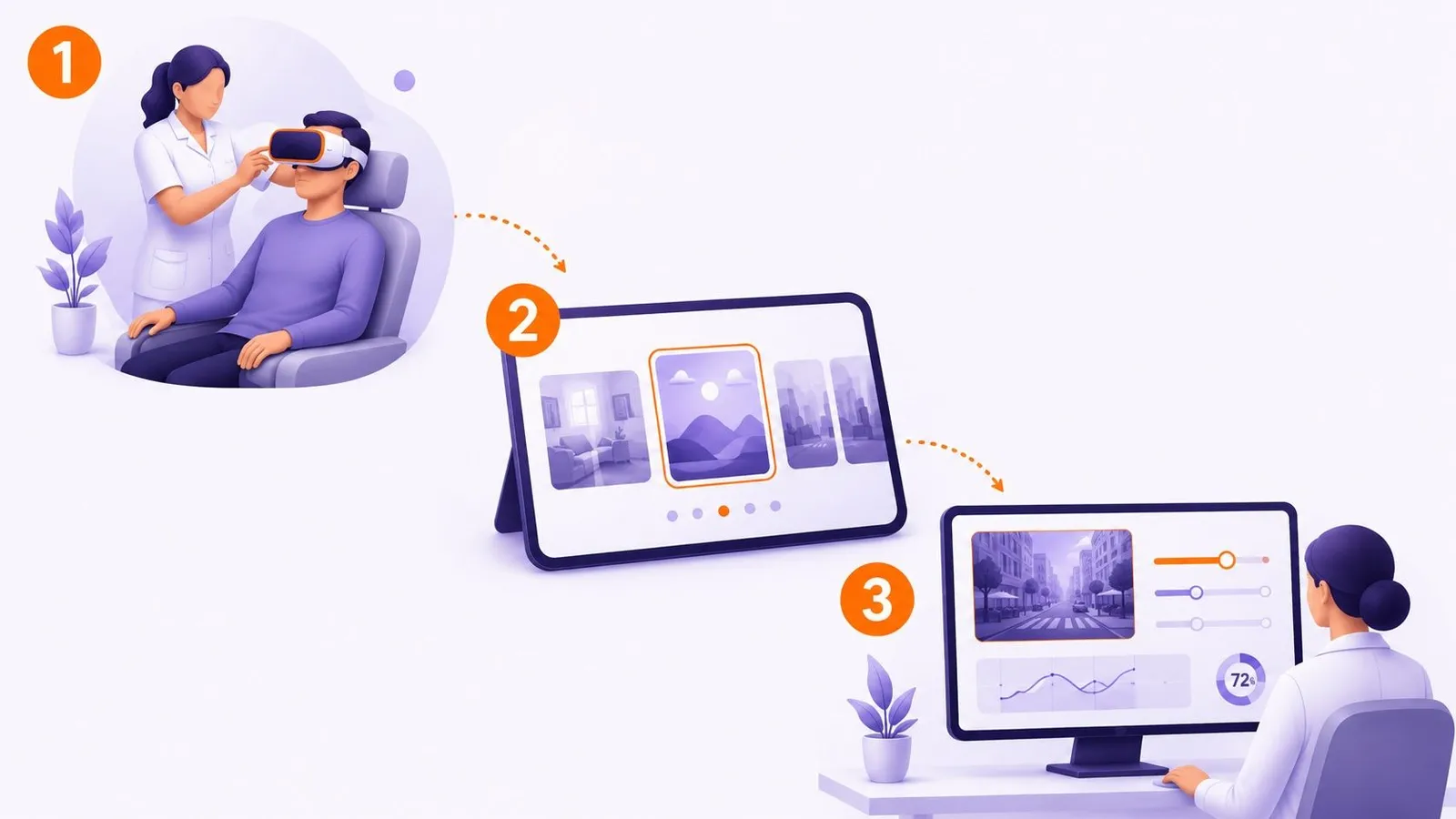
How do you use virtual reality?

  1. 1

    Equip the patient

  2. 2

    Choose the environment

  3. 3

    Adjust the exposure

The three steps of C2Care virtual reality therapy

OUR ENVIRONMENTS

Environments adapted to each support

Over 250 exposure situations

They trust us

  • MGEN
  • AP-HP
  • APHM
  • CHU de Nantes
  • CHU de Nice
  • CHU de Montpellier
  • Korian
  • Orpea
Portrait of Solène Montègue, neuropsychiatrist

Solène Montègue

Neuropsychiatrist

Portrait of Samia Lahya, psychiatrist

Samia Lahya

Psychiatrist

Portrait of Sabrina Gineau, psychologist

Sabrina Gineau

Psychologist

Portrait of Noël Schepers, psychologist

Noël Schepers

Psychologist

Portrait of Mélanie Boucherot, psychologist

Mélanie Boucherot

Psychologist

Portrait of François Maltese, psychologist

François Maltese

Psychologist

Portrait of Marie-Claude Roberge, neuropsychologist

Dre Marie-Claude Roberge

Doctor of Psychology

Portrait of Laure du Pouget, urologist

Dr Laure Du Pouget

Urologist

Portrait of Delphine Py, psychologist

Delphine Py

Psychologist

An approach supported by the literature on virtual reality

  • Systematic review

    Church D et al. — Clinical EFT as an evidence-based practice for the treatment of psychological and physiological conditions

    Clinical EFT as an evidence-based practice for the treatment of psychological and physiological conditions: A systematic review

    2022View
  • Experimental study

    Murray S et al. — Immersive Virtual Reality Supported Cognitive Behavioral Therapy in Patients With Mild to Borderline Intellectual Disability and Substance Use Disorders

    Immersive Virtual Reality-Supported Cognitive-Behavioral Therapy for Patients With Mild to Borderline Intellectual Disabilities and Substance Use Disorders: Two Exploratory Studies

    2026View
  • Clinical study

    Marinetto A et al. — Virtual reality as a tool to promote the well-being of healthcare professionals in pediatric palliative care

    Virtual reality as a tool to promote healthcare providers wellbeing in pediatric palliative care

    2025View

ENVIRONMENTS

Discover our environments

Downward view from a walkway between buildings

Acrophobia

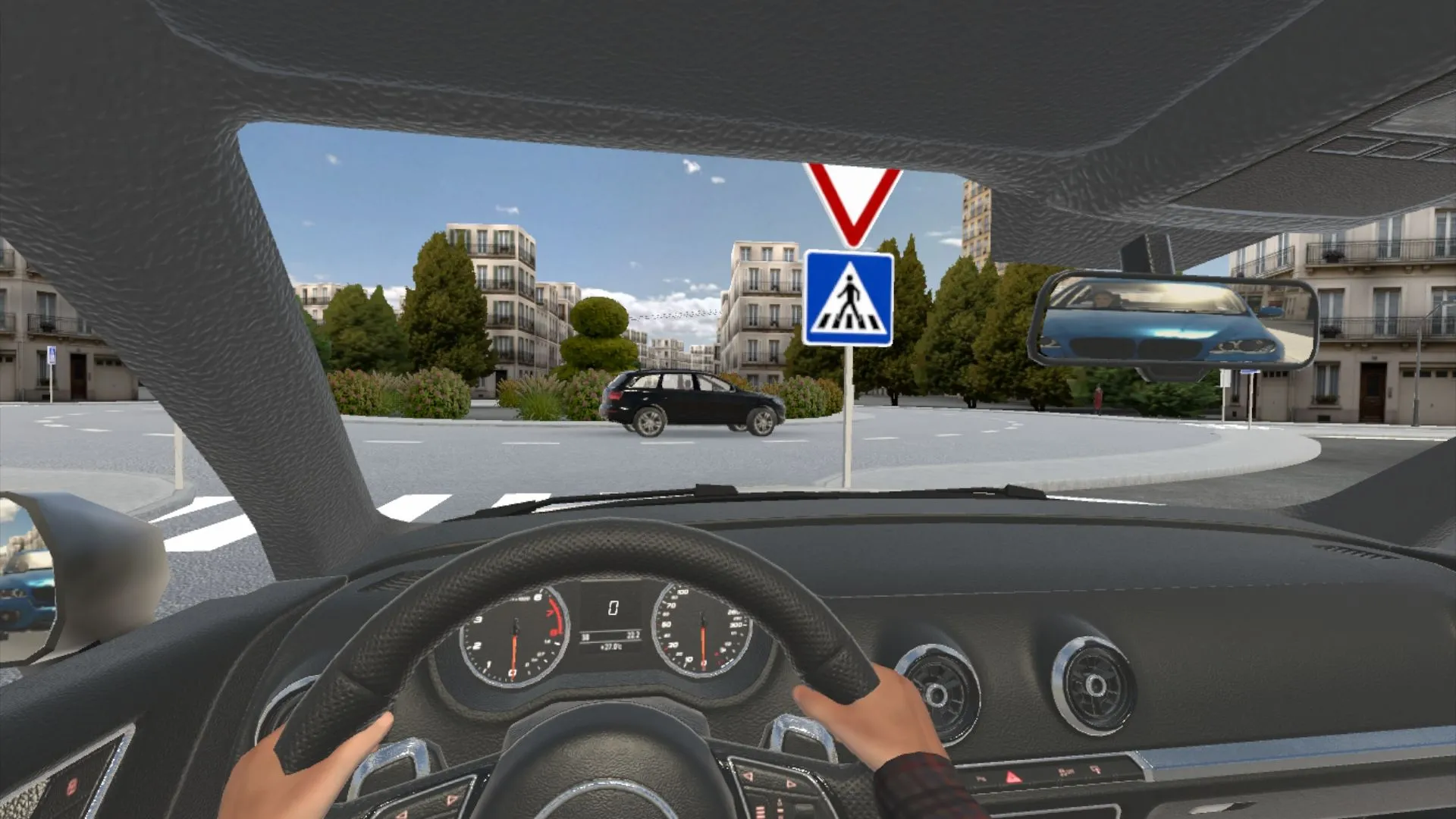
Driver’s view approaching a pedestrian crossing

Amaxophobia

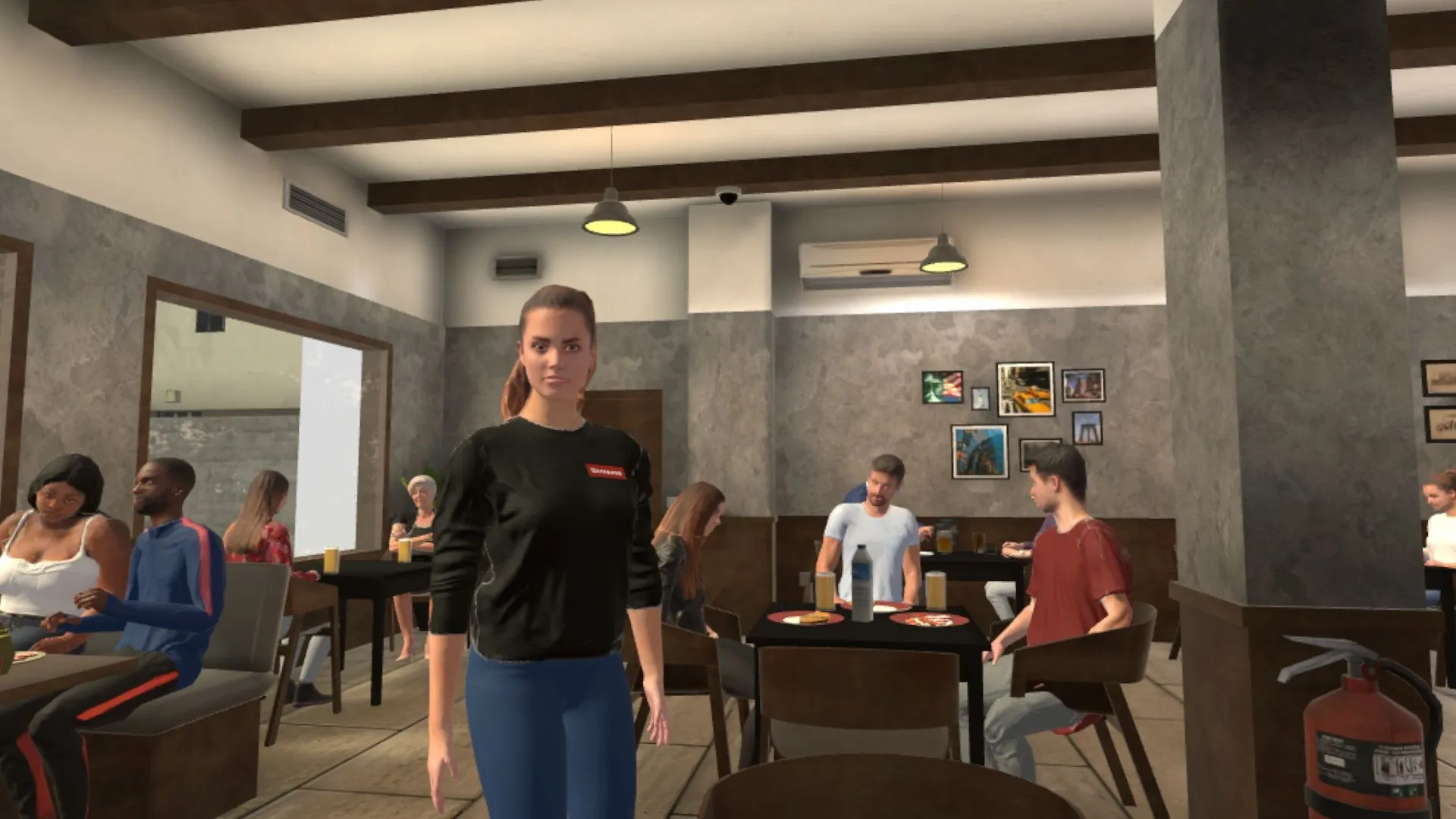
Person entering a busy café in virtual reality

Social phobias

Passenger walking through a glass boarding bridge

Aviophobia

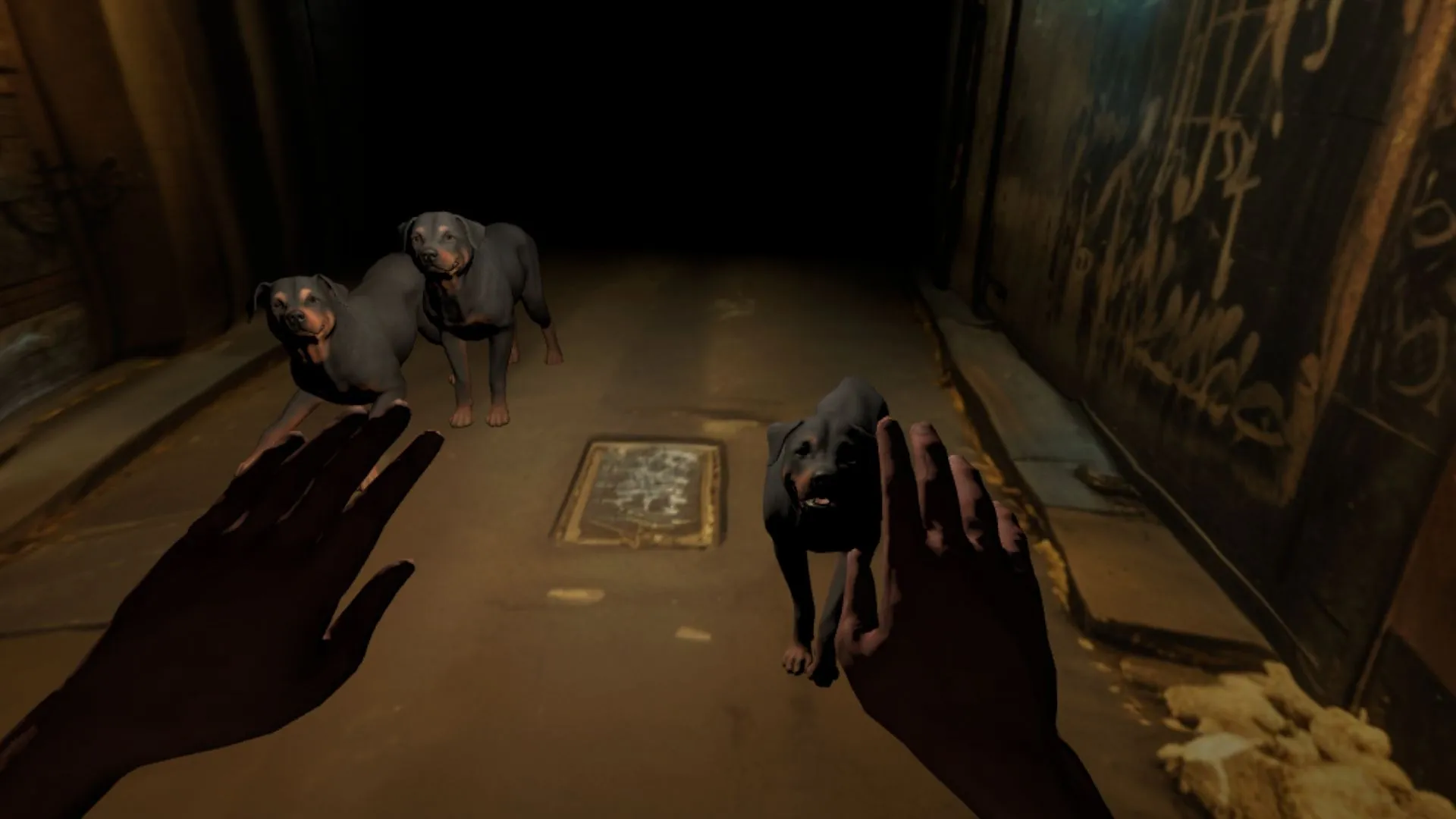
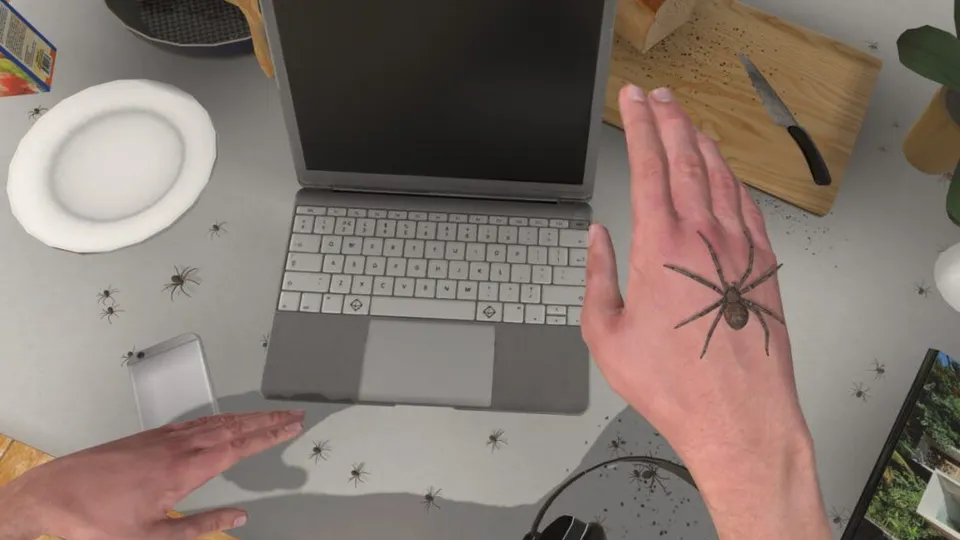
Threatening dogs in a dark alley in virtual reality

animal phobia

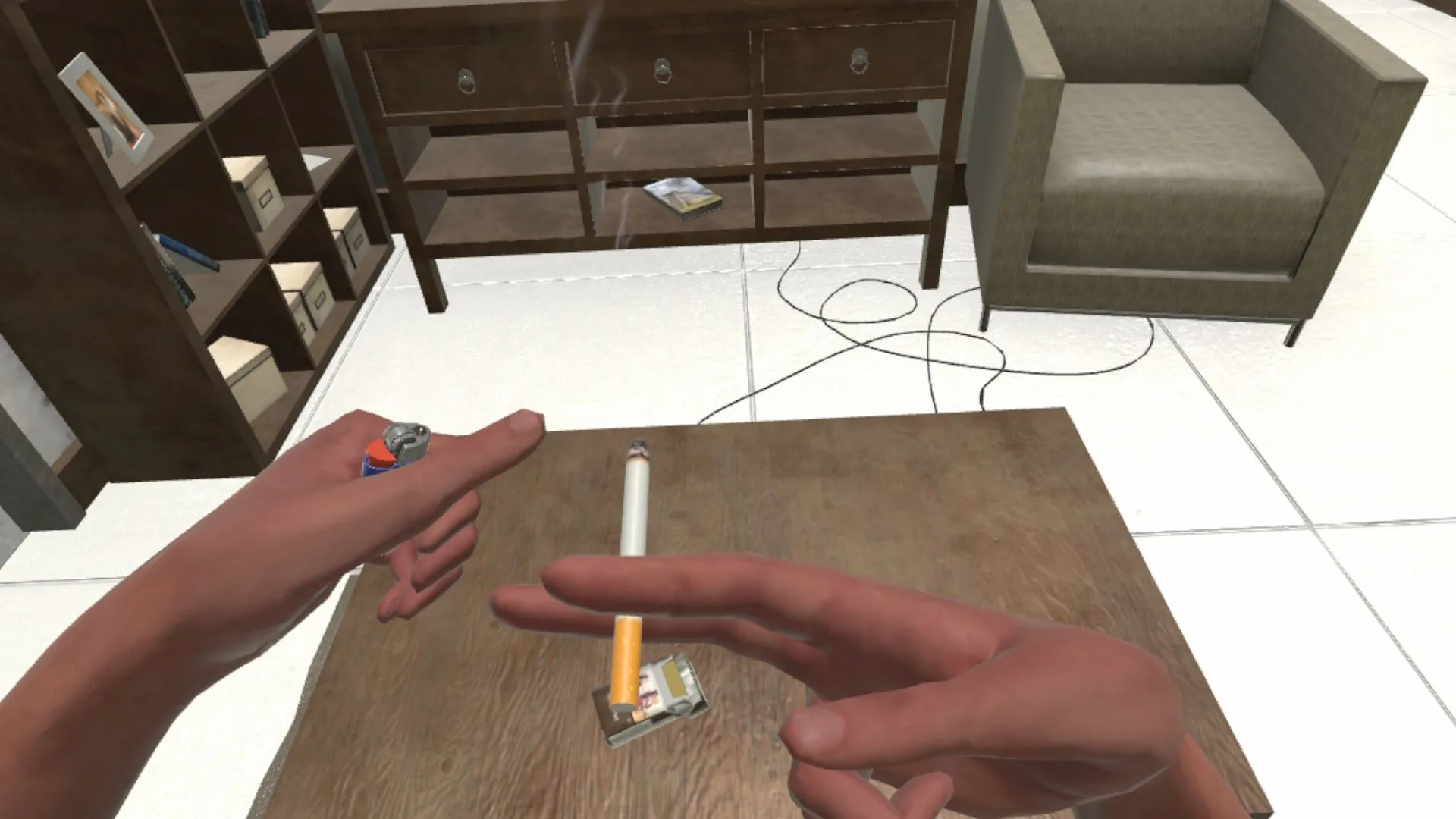
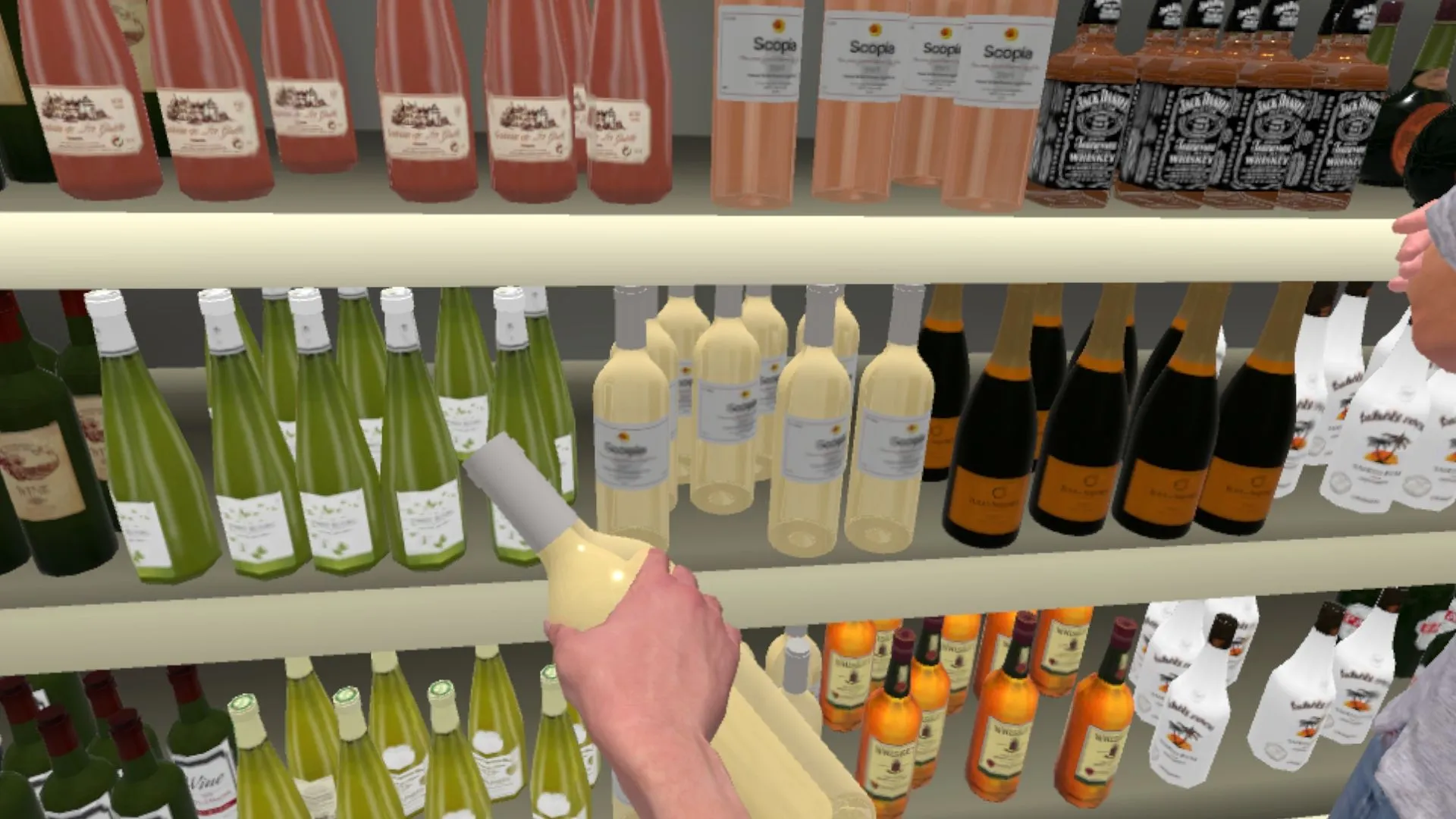
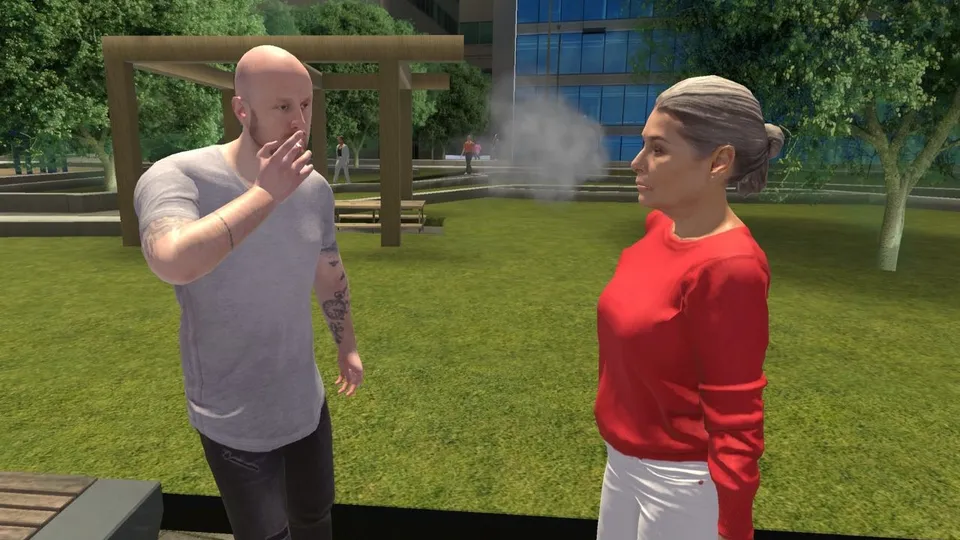
Cigarette offered in a smoking prevention simulation

Tobacco addiction and smoking substances

First-person simulation involving alcohol use

Alcohol addiction

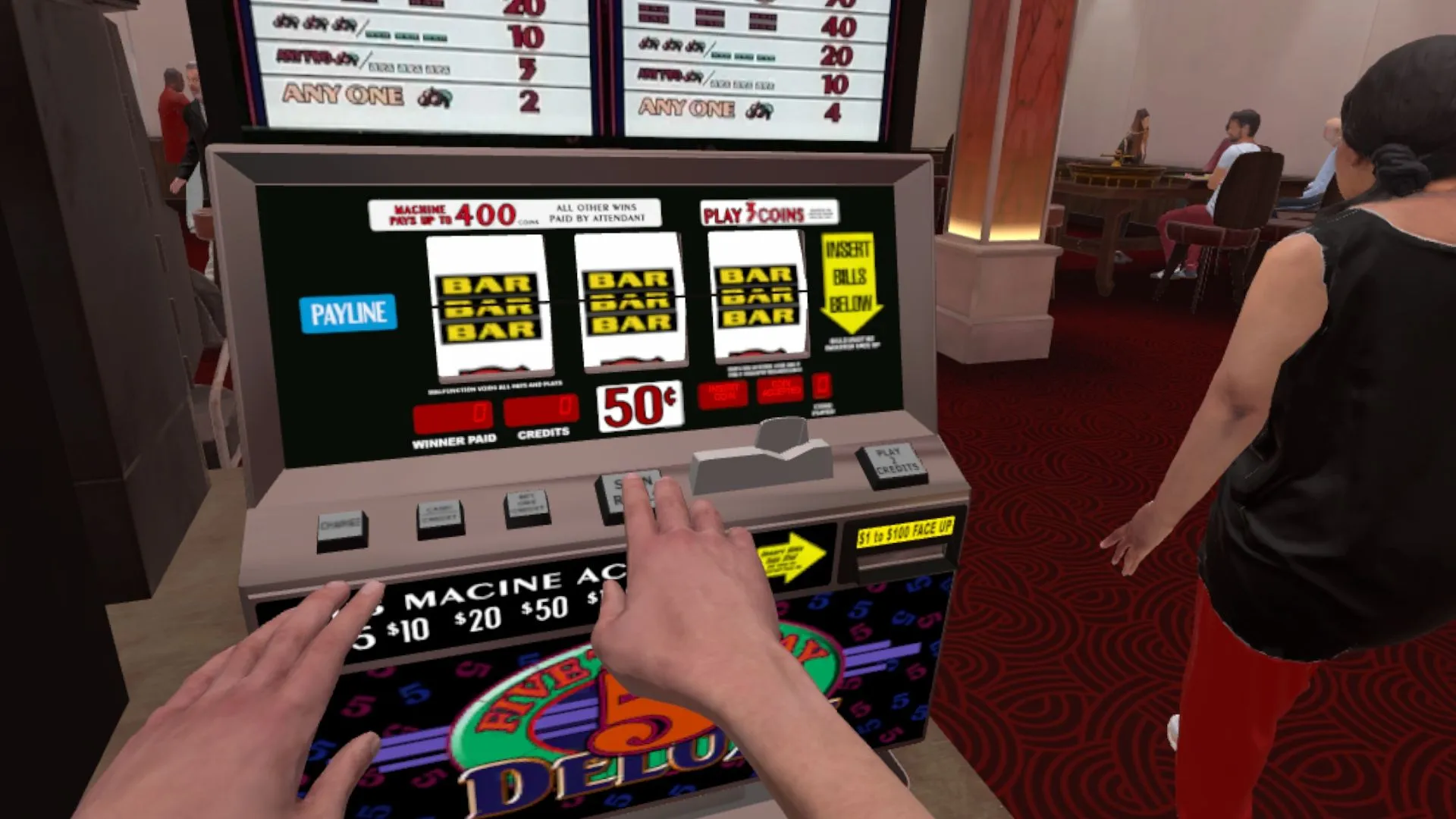
First-person view of a slot machine in a casino

Gambling addiction

Peaceful tropical beach with a hammock and palm trees

Relaxation

Support C2Care

Support for successful VR integration

  • Installation

  • Training

  • Support

Do you have a credit card?

FAQ

Frequently asked questions about C2Care solutions for professionals

Is the material provided?

What equipment do I need?

What are the advantages of equipping yourself with virtual reality devices?

What are the guarantees for the equipment?

Will my patient need a lot of space?

In what profession can I use this tool?

When and how will I receive my equipment after a rental request?