








Specific phobia

Support your claustrophobic patients with virtual reality exposure

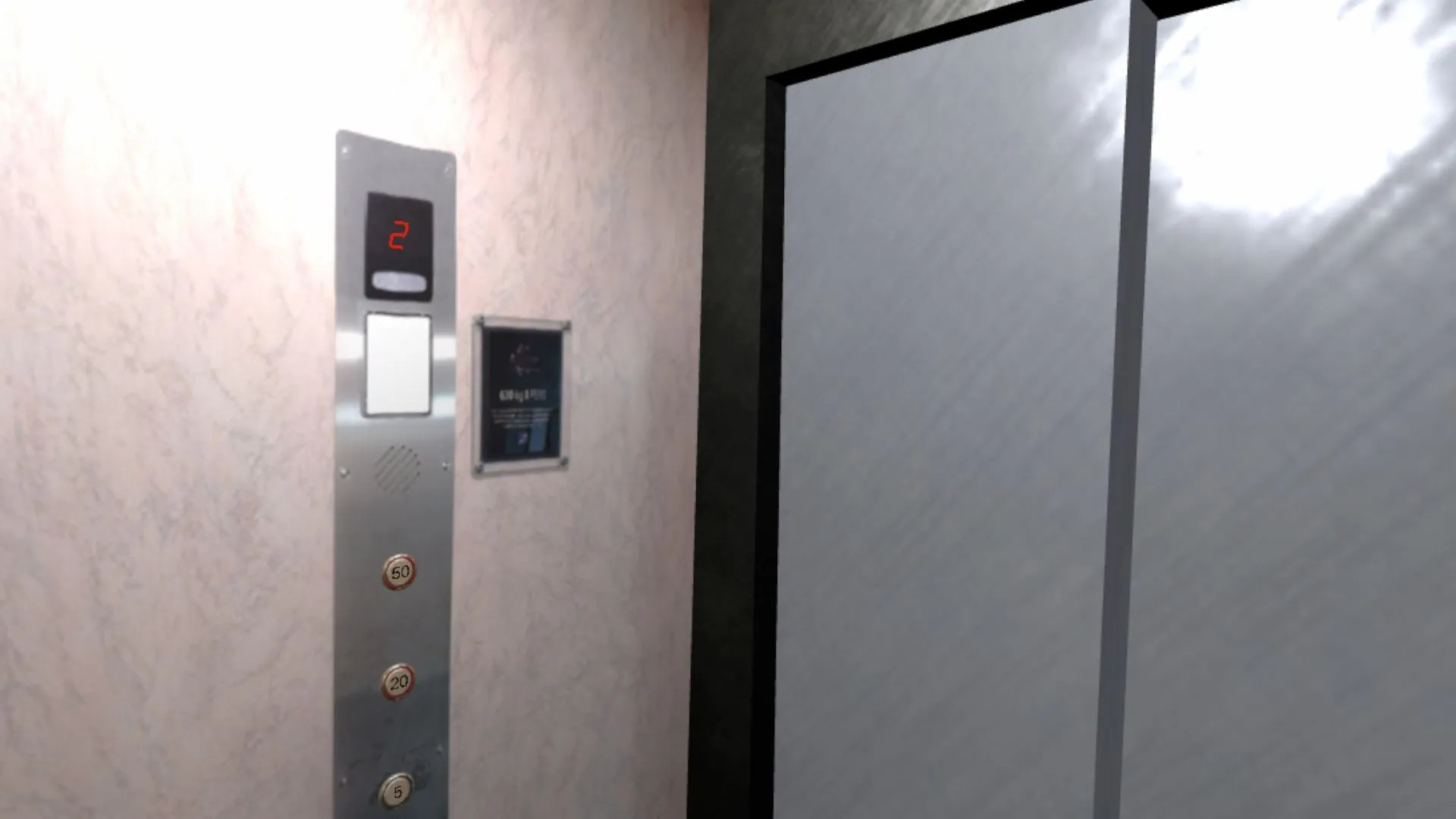
Confined interior of an empty virtual reality elevator
+350
facilities
equipped
+700
practitioners
trained
+10
years
of expertise
+25
countries
of deployment

Limits of in vivo exposure

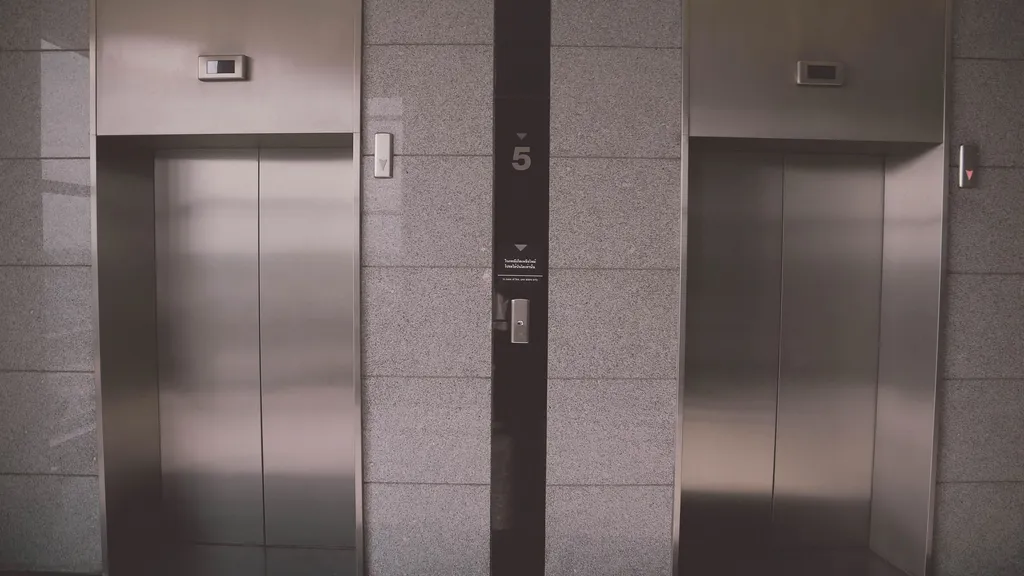
Metal elevator doors in a confined space

Working on anticipatory anxiety in virtual reality

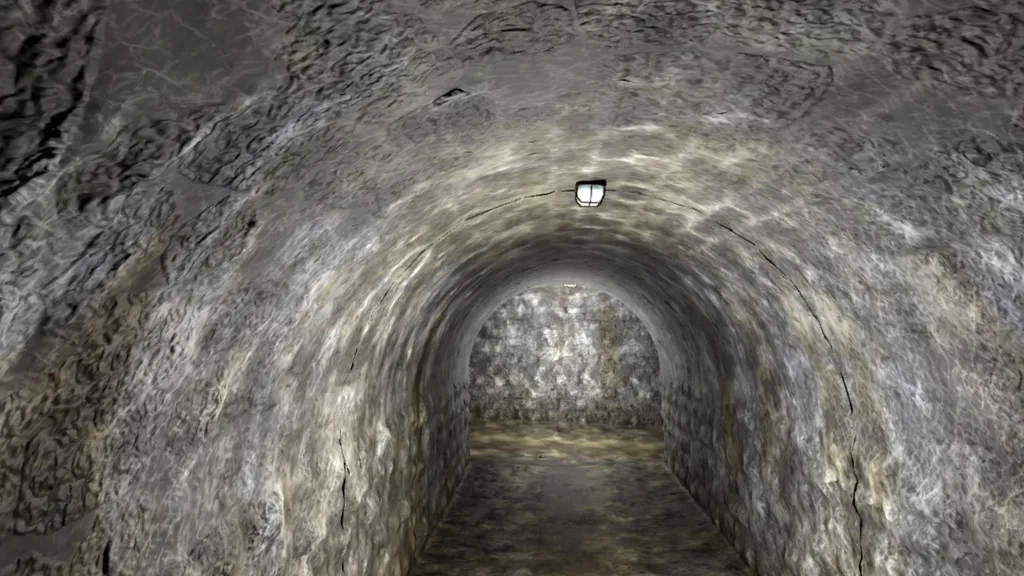
Dark, narrow underground tunnel

VRET

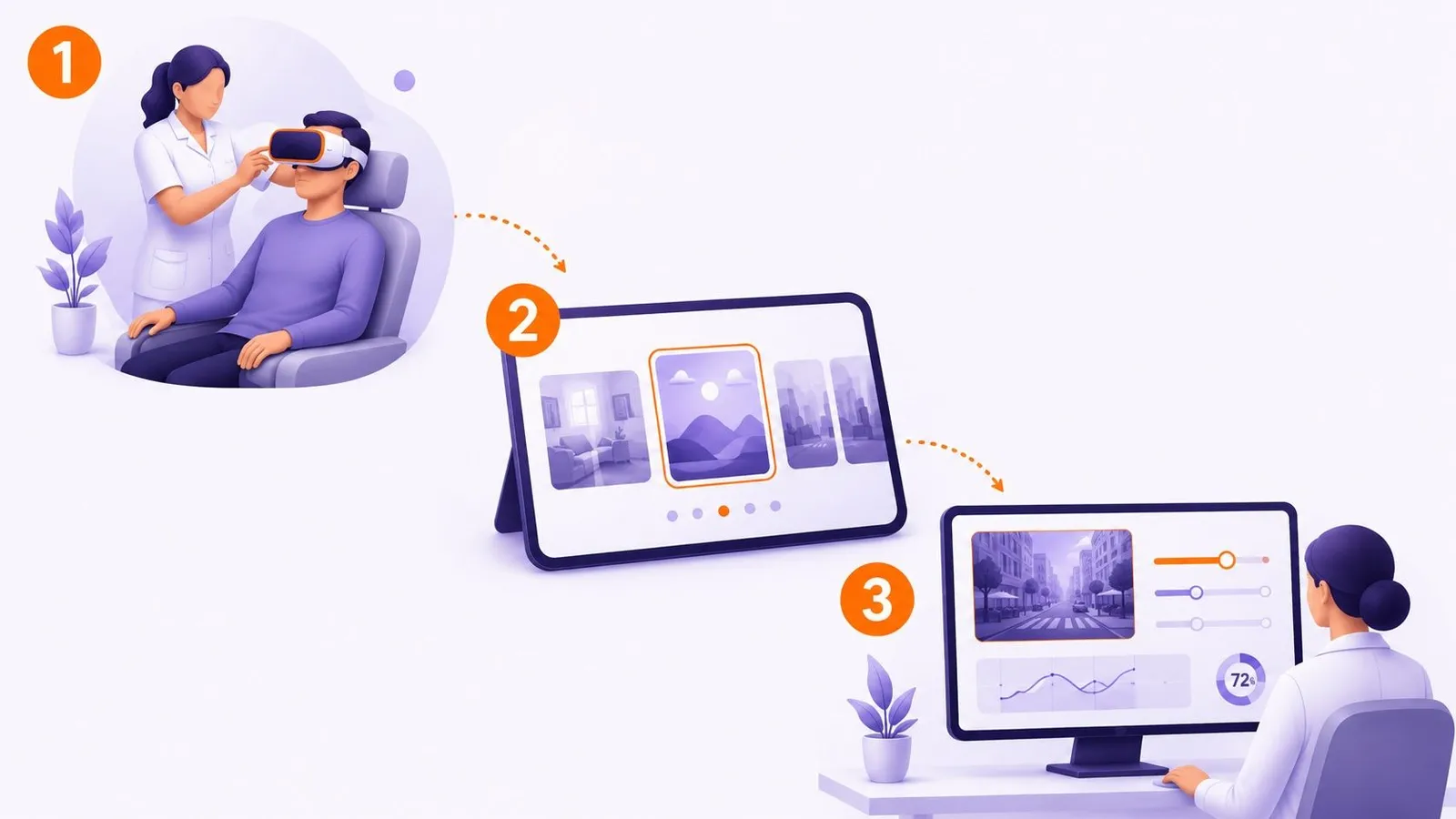
How do you use virtual reality?

  1. 1

    Equip the patient

  2. 2

    Choose the environment

  3. 3

    Adjust the exposure

The three steps of C2Care virtual reality therapy

Environments

Environments to treat claustrophobia

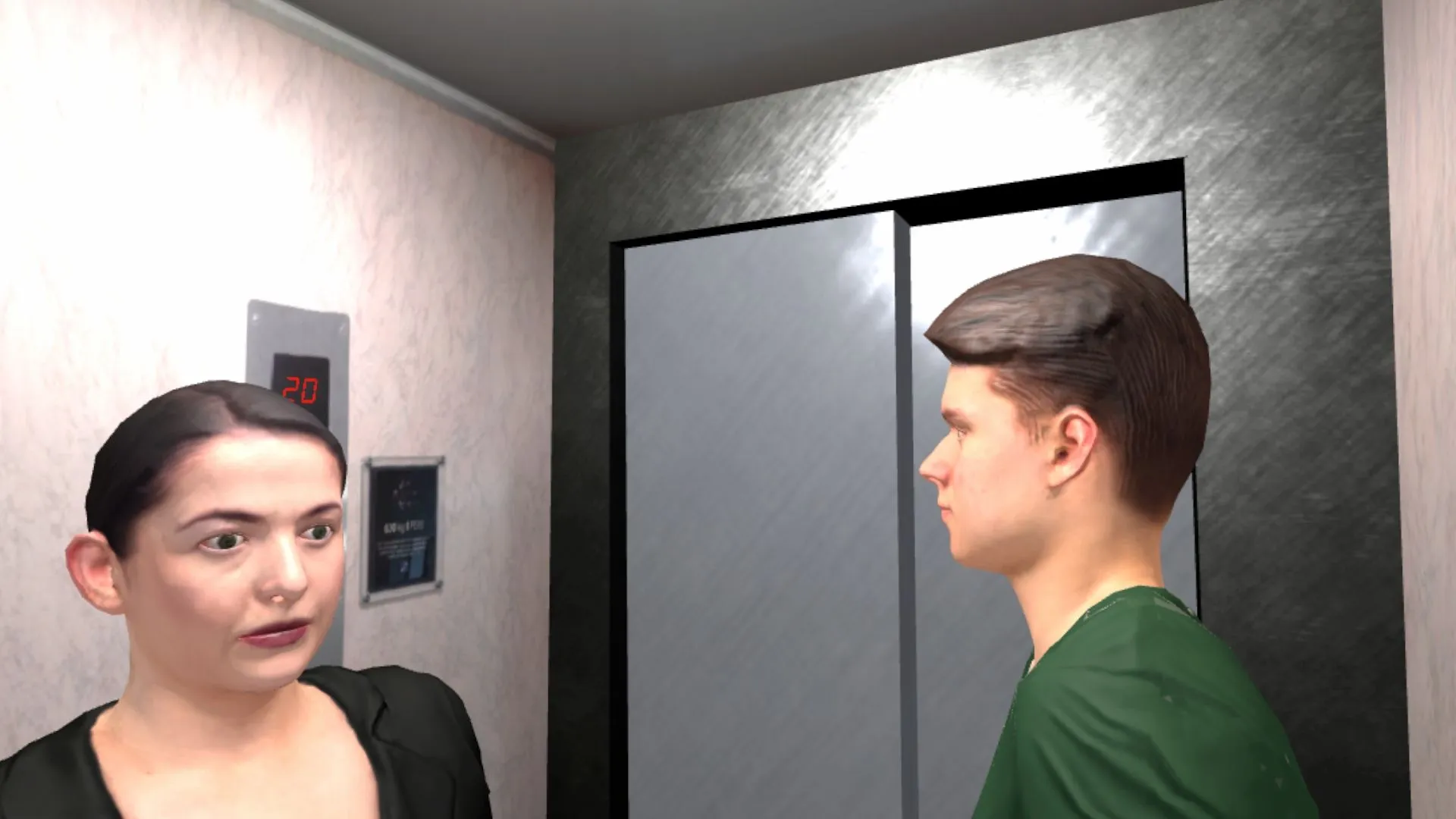
Two people in a confined virtual reality elevator

Elevators

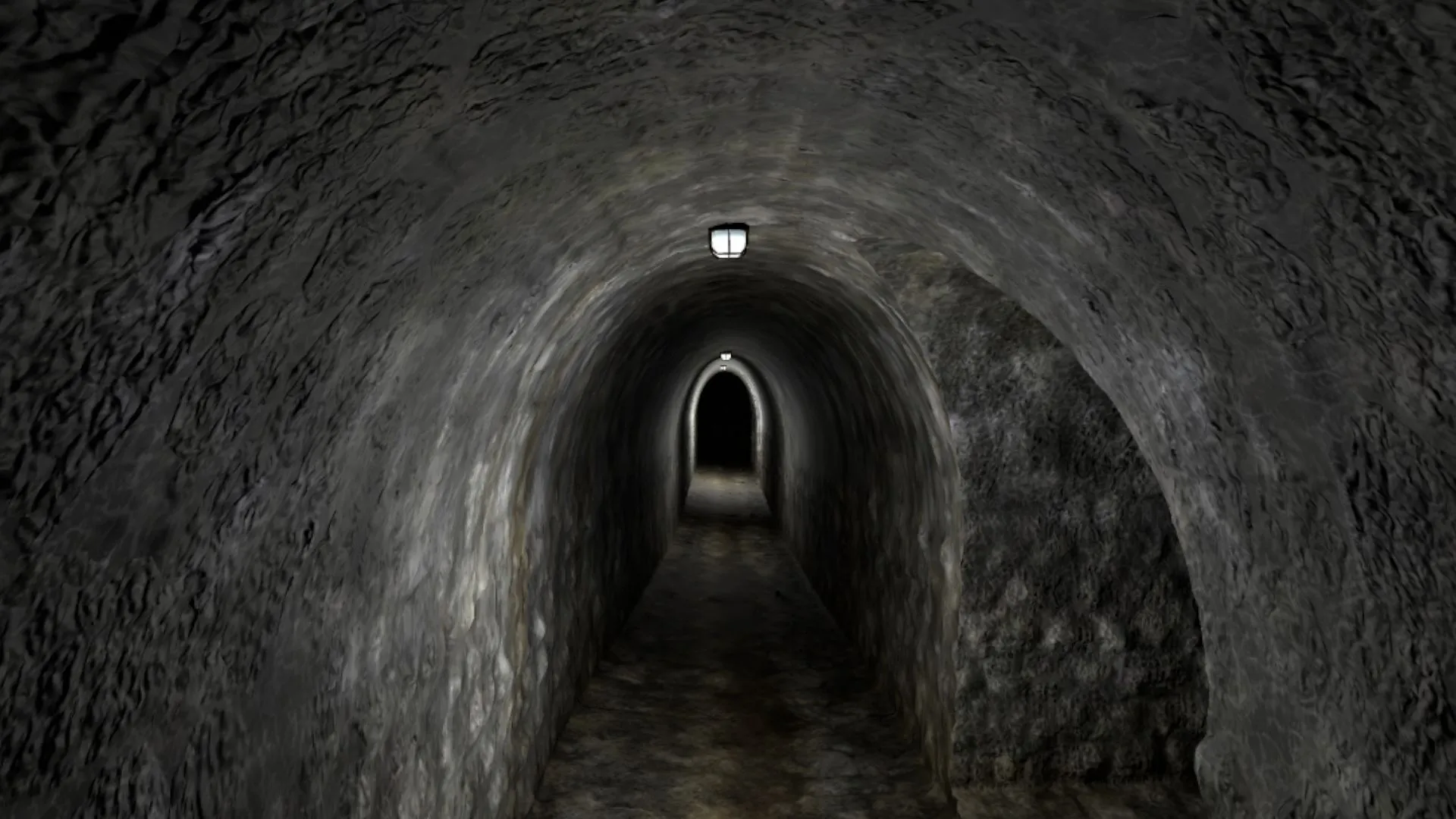
Dark, narrow underground tunnel

Underground tunnel

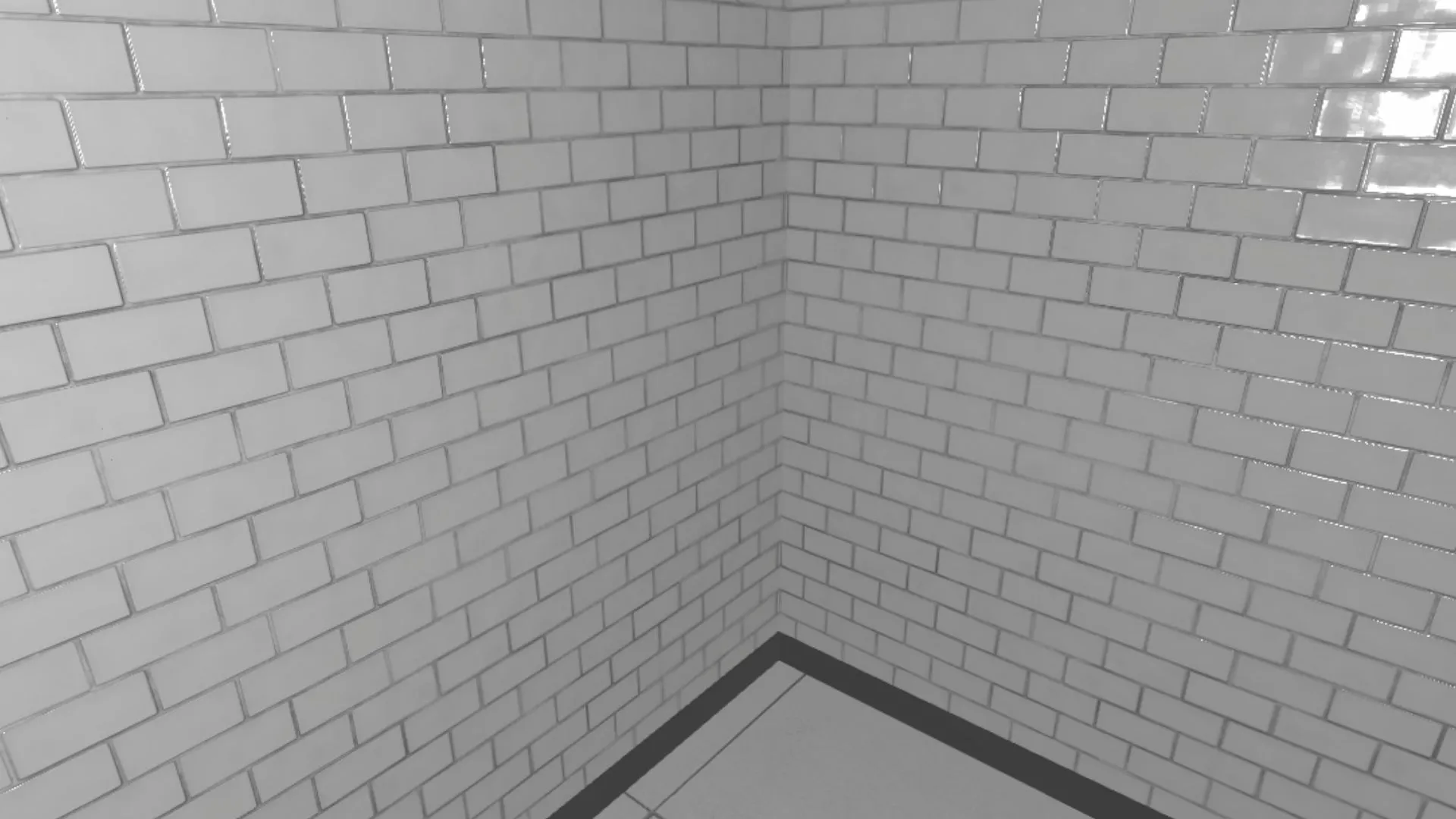
Small customizable empty room in virtual reality

Modular room

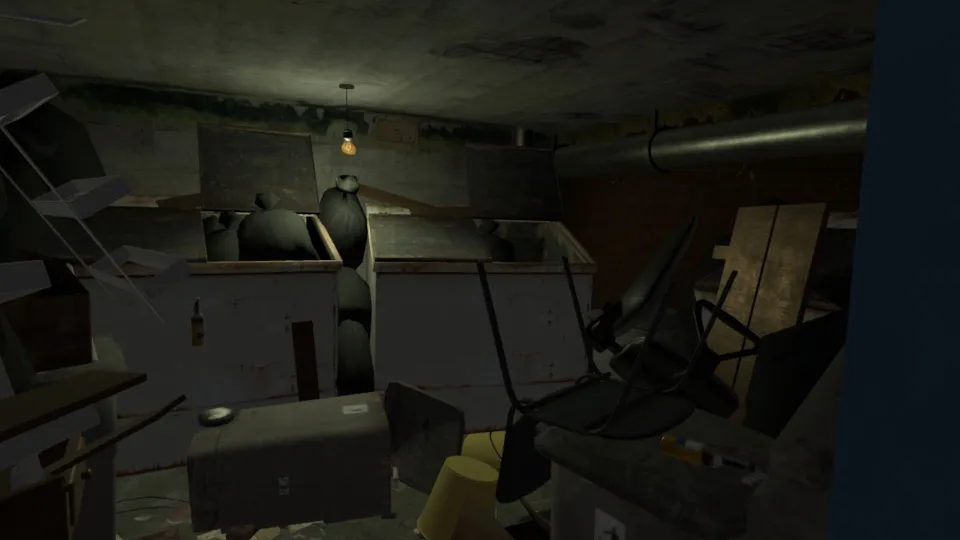
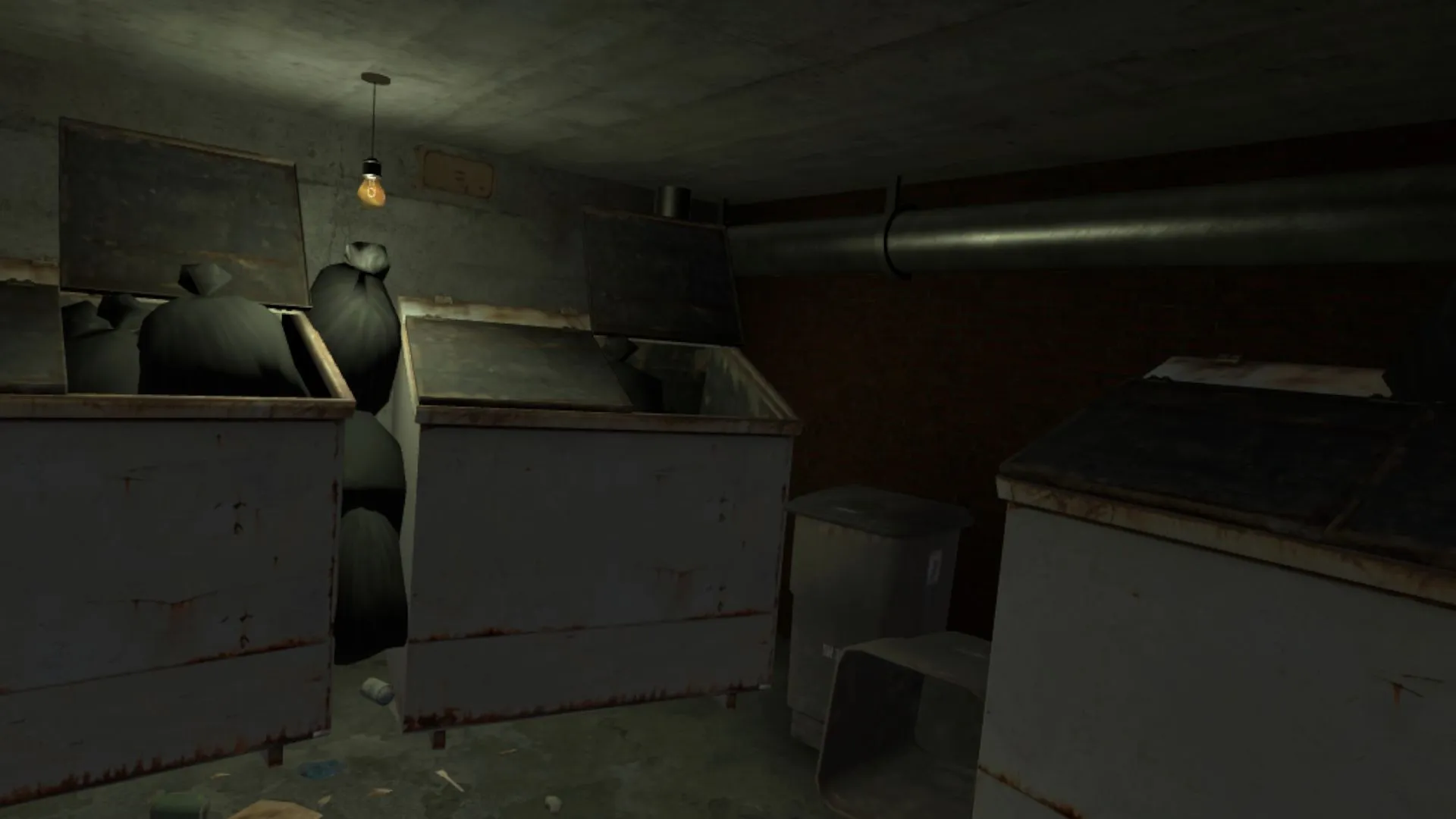
Dirty garbage containers and trash bags in a dark room in a virtual simulation

Waste container

Over 250 exposure situations

They trust us

  • MGEN
  • AP-HP
  • APHM
  • CHU de Nantes
  • CHU de Nice
  • CHU de Montpellier
  • Korian
  • Orpea
Portrait of Solène Montègue, neuropsychiatrist

Solène Montègue

Neuropsychiatrist

Portrait of Samia Lahya, psychiatrist

Samia Lahya

Psychiatrist

Portrait of Sabrina Gineau, psychologist

Sabrina Gineau

Psychologist

Portrait of Noël Schepers, psychologist

Noël Schepers

Psychologist

Portrait of Mélanie Boucherot, psychologist

Mélanie Boucherot

Psychologist

Portrait of François Maltese, psychologist

François Maltese

Psychologist

Portrait of Marie-Claude Roberge, neuropsychologist

Dre Marie-Claude Roberge

Doctor of Psychology

Portrait of Laure du Pouget, urologist

Dr Laure Du Pouget

Urologist

Portrait of Delphine Py, psychologist

Delphine Py

Psychologist

An approach supported by the literature on virtual reality

  • Randomized controlled trial

    Shiban et al. — Influence of perceptual cues and conceptual information on the activation and reduction of claustrophobic fear

    Influence of perceptual cues and conceptual information on the activation and reduction of claustrophobic fear

    2016View
  • Clinical study

    Gaina et al. — Development of a free virtual reality exposure therapy application for acrophobia and claustrophobia

    SAFEvR MentalVeRse.app: Development of a Free Immersive Virtual Reality Exposure Therapy for Acrophobia and Claustrophobia

    2024View
  • Clinical study

    Mayer et al. — Patient and therapist experiences testing a virtual reality exposure therapy app for claustrophobia symptoms

    Experiences of Patients and Therapists Testing a Virtual Reality Exposure App for Symptoms of Claustrophobia: Mixed Methods Study

    2022View

Discover more

Explore other areas of care

Over 250 exposure situations

FAQ

Frequently asked questions about claustrophobia and virtual reality

How long has this existed?

Can virtual reality be dangerous?

Can I feel nauseous while using the headset?

Who can use virtual reality for treatment?

As a therapist, what are the advantages of equipping yourself with virtual reality devices?

Which patients can benefit from a VRET?

What pathologies can be treated in virtual reality?

Can you feel nauseous while using the headset?

What are the advantages for a therapist of equipping themselves with virtual reality?

Do I have access to all environments?

Who to contact in case of software problem?

Which patients can benefit from virtual reality exposure therapy?

How do I cancel my subscription?

What virtual environments are used to treat claustrophobia?