
Understanding your stress
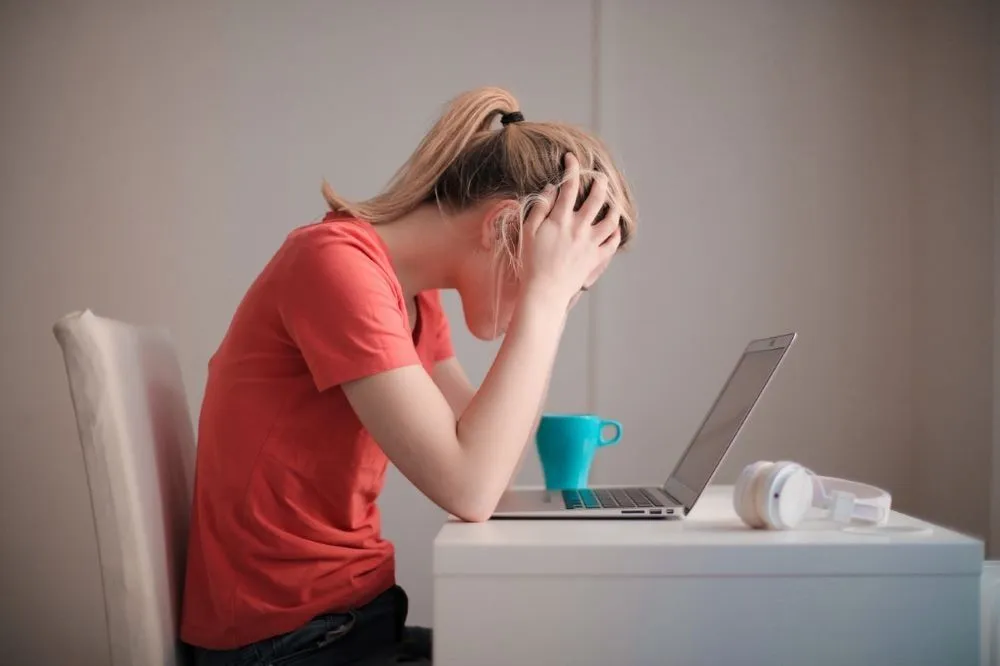
It is not always easy to understand your stress in a situation and recognize it. It is sometimes difficult to know what this anxiety refers to. And yet this is necessary to reduce this anxiety, its symptoms and regain daily serenity.
Key takeaways
- Stress is a normal reaction, useful in small doses, but harmful if it is too intense or too long.
- It takes place in three phases: alarm, resistance, exhaustion.
- Acute stress is one-off, chronic stress takes place over several months.
- The CINE method (Weak Control, Unpredictability, Novelty, Threatened Ego) helps identify the origin of one's anxiety.
- The Camille AI assistant supports the patient without judgment.
1. STRESS IS NORMAL!
Anxiety is a normal reaction. It is an instinctive survival reaction, which has helped save humans from various predators. Today, even if we are no longer chased by mammoths or other prehistoric species, stress allows us to flee from danger (an attacker in the street) or to give us the courage to fight it. So this can be positive. During an important exam, stress can sometimes help us mobilize particularly important energy.
In the right dosage, stress is therefore normal and positive. On the other hand, when it is too intense or too long, stress can have harmful long-term consequences, whether physical or psychological.
2. PHASES OF STRESS
Stress is defined in 3 consecutive phases: Alarm, resistance and exhaustion
The alarm phase
The alarm (or alert) phase is the first stage of anxiety. It happens as soon as the body feels in danger in a situation, with a significant increase in adrenaline. This is when the body prepares to either fight danger or flee from it. You must survive at all costs.
So, in order to mobilize all the energy and organs to face the situation, adrenaline, norepinephrine and other stress-related hormones increase heart rate, body temperature, tension, etc. The body is no longer ready for reflection, but prepares for action.
The resistance phase
The body therefore prepares to face (or flee) the situation, and needs its body to follow it to manage it as best as possible and save its skin. The hormones that bring sugar into the body work to provide the body with what it needs to free itself from this environment. The effects of other hormones released in the alert phase intensify in order to maintain the energy to combat the situation.
The exhaustion phase
The resistance phase continues and the body begins to be exhausted. Our body can no longer manage itself, and certain physical or psychological disorders may appear. This is where chronic stress appears.
3. UNDERSTAND THE DIFFERENT TYPES OF STRESS
Anxiety manifests itself differently in all people. If we know what stress we are under, it is always more obvious to work on the physical sensations, the associated thoughts and the emotions that we may feel. This is why it is essential to understand your stress. To do this, it is important to recognize what type of stress we are feeling: Is it acute stress or chronic stress and what are the differences between the two?
Acute stress
Acute stress is intense stress that we feel at a specific moment, caused by a one-off event. This event can be stressful either because the event is new, threatening, unpredictable or because you do not have control (CINE method).
Since this anxiety is temporary, so are the symptoms. These symptoms can be difficulty breathing, stomach aches, dizziness, sweating, tremors, etc. Once the situation ends (or is avoided), these symptoms disappear.
Chronic stress
Chronic stress is linked to repeated or particularly long exposures to stressful situations. This stress is very energy-consuming and has harmful consequences for health. Indeed, this chronic anxiety reduces the defenses of the immune system, increases fatigue, increases the risk of having certain pathologies (cardiovascular diseases, depression sometimes leading to suicidal thoughts, etc.).
To be considered chronic, this stress must have been present for several months or several years.
4. DEFINE THE ORIGIN OF YOUR ANXIETY
To manage and understand your stress, it is important to understand and identify the different types of existing stress in order to reduce them. There is a method for this, called the CINE method. CINE is an acronym for the possible sources of stress: "Weak Control", "Unpredictability", "Novelty" and "Ego Threat".
In order to understand your anxiety and recognize it, always ask yourself the following questions:
- Am I in control of the situation?
- Is this situation unpredictable?
- Is the situation new to me?
- Is there a threat to my ego?
To best answer these questions, it is important to understand each of these types.
Weak control
You are in a situation where you have little or no control over it.
For example, if your train is delayed due to an accident on the track when you absolutely have to be at an important meeting, this can cause you anxiety.
Unpredictability
You can't know how a situation will turn out, or if an unpredictable event occurs. For example, for your birthday party, you invite two people who don't always get along very well. You fear their behavior at your party, and you stress about it.
New
You are experiencing a new situation, a context that is completely unfamiliar to you.
You're expecting a baby, but it's your first. This causes you anxiety: will you be able to meet their needs? Will you understand it? Will he love you etc. ?
Ego threatened
You have the feeling that some of your values, skills, abilities and knowledge are being called into question.
You take the driving license test and take one last hour before the final test. Your instructor tells you that he ultimately doesn't feel you are ready and that you risk failing your driving test.
It is important not to let stress take over our body, our emotions, our sensations and our life. Taking the time to understand your stress helps limit the anxieties associated with it.
If your stress causes anxiety attacks, there are solutions to manage them.
C2Care, a leader in immersive technologies for mental health
Create your free account to explore over 250 virtual reality exposure situations and subscribe directly online.
Stress and Virtual Reality FAQ
Why use virtual reality in the field of mental health?
Virtual reality allows graduated and controlled exposure to anxiety-provoking situations, in a reproducible framework. It promotes patient engagement thanks to its immersive nature and allows the practitioner to adapt each exercise. It is used for anxiety disorders, phobias, post-traumatic stress, OCD and addictions.
How long has this existed?
C2Care has been testing its virtual reality software in hospitals since 2016. This field experience has made it possible to expand the catalog to more than 250 environments and to equip more than 1,000 practitioners in nearly 50 countries.
What is a virtual environment?
A virtual environment is an immersive scene reproducing a real situation (street, plane, elevator, spider, etc.) used for graduated exposure. Unlike traditional techniques, these scenarios are identically reproducible, which guarantees consistent support from one session to the next.
What pathologies can be treated in virtual reality?
Virtual reality is used in the treatment of anxiety disorders (phobias, post-traumatic stress, obsessive-compulsive disorders), addictions, mood disorders, and in cognitive remediation. Each environment is chosen by the practitioner according to the targeted disorder.
Can I feel nauseous while using the headset?
Some people may experience cybersickness, a sensation similar to motion sickness, when using a virtual reality headset. This phenomenon affects around 10% of people and generally disappears after stopping the session.
Who can use virtual reality for treatment?
Therapeutic virtual reality is aimed at practitioners: psychologists, psychiatrists and occupational therapists. It is used in private practice as well as in establishments (CHU, hospitals, clinics, nursing homes), always under the supervision of a professional trained in graduated exposure.
Do I have access to all environments?
Yes, all C2Care environments are grouped into a single application. The practitioner can thus move from one environment to another without changing software, according to the needs of each patient.
Who should I contact if I have software problems?
The C2Care technical service can be reached via live chat from your control platform. In the event of a headset failure, a diagnosis is made and the defective equipment is replaced within 48 hours if necessary.
Author
C2Care
Related articles
Managing an anxiety attack
As the situation overwhelms us, our anxiety takes an important place in our life, sometimes going so far as to cause a panic attack. This situation is particularly unpleasant for the person experiencing it, with significant physical and psychological symptoms. But this feeling is not irremediable, and there are some tips for managing your anxiety attack in the urgency of the situation. It is also possible to reduce the risk of panic attacks in the longer term by adopting certain strategies.
The TIPI method
Anxiety, sadness, anger are all negative emotions that can be difficult to manage and can impact our personal and professional lives. However, there are simple and quick methods that allow you to accept and deal with your emotions, so that they no longer impact our daily lives. Among them, the TIPI method.

Post-traumatic stress
We hear a lot about post-traumatic stress (PTSD), but what is it really? Can you suffer from post-traumatic stress even if you haven't actually experienced a traumatic event? We will try to answer all these questions together.

Work on your self-confidence
We have all, at one time or another, doubted ourselves or our abilities to complete a task or overcome an obstacle. When this lack of self-confidence begins to become too difficult to overcome and when it handicaps us, limits us, when it builds barriers to our projects or our desires, it is fundamental to take charge of ourselves to improve it. Having confidence in yourself will allow you to achieve great things, and your personal pride will only grow.
Gray's neurobiological model
Psychoeducation is done during the first group therapy session and consists of explaining the models of anxiety for patients: phobic, who have OCD, or who have generalized anxiety disorders. The models help explain the causes and mechanisms of anxiety, the goal is to help patients understand what is happening in their brains. Ignorance leads to fear. During group therapy, it is important to establish dialogue with patients and to establish an exchange; give patients the opportunity to participate as often as possible. In this article we will see Gray's neurobiological model and its implication in anxiety, phobias and OCD.
Sleep
Nearly 15% of the French population believes that sleeping is a waste of time. However, one in three people suffer from sleep disorders. And yet, sleep plays a major role in all areas of our lives. Indeed, good sleep is essential in learning and memorization (particularly long-term memory), in the development of metabolism (very favorable to good growth in young people) and in many cognitive and biological functions. This will help improve your general health and reduce the risk of depression, certain pathologies (such as cancer, obesity, stroke, etc.) or even accidents (car accidents, among others).