
Managing an anxiety attack
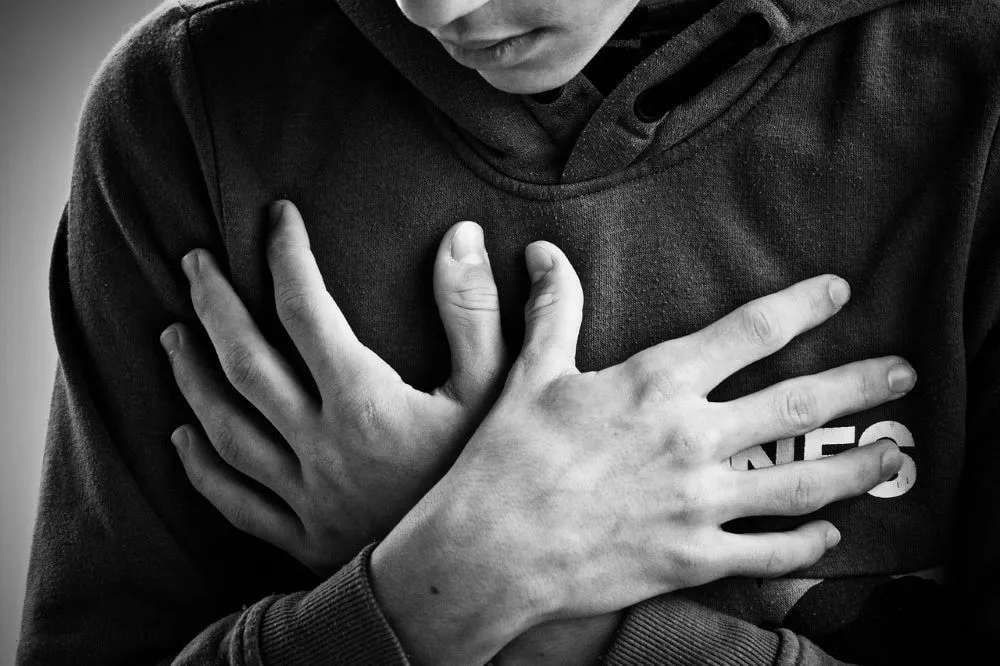
As the situation overwhelms us, our anxiety takes an important place in our life, sometimes going so far as to cause a panic attack. This situation is particularly unpleasant for the person experiencing it, with significant physical and psychological symptoms. But this feeling is not irremediable, and there are some tips for managing your anxiety attack in the urgency of the situation. It is also possible to reduce the risk of panic attacks in the longer term by adopting certain strategies.
Key takeaways
- An anxiety attack is an intense and sudden fear, in a real secure setting, lasting from a few minutes to half an hour.
- It affects around 20% of the population, with a risk twice as high in women.
- Square breathing, cardiac coherence and the 5-4-3-2-1 method help manage it in an emergency.
- Healthy lifestyle and restructuring of thoughts limit recurrences.
- Cognitive-behavioral therapy, particularly through exposure to virtual reality, offers lasting care.
1. AN ANXIETY ATTACK? WHAT IS THIS ?
An anxiety attack, which is also called a panic attack, is considered an anxiety disorder. It can also be thought of as a functional disturbance where the body goes into maximum alert, ready to face a serious imminent danger.
As a result, it manifests itself as an intense, sudden, brief fear which triggers physical reactions and associated distressing thoughts. It occurs suddenly and intensely, without always warning and lasts a few (long) minutes, and can last up to around half an hour.
This anxiety appears when no real danger is perceived. In addition, it is sometimes even difficult for the person who suffers from it to understand the reason for their anxiety. Indeed, there is not always a particular reason: these crises can happen at any time and give the person who experiences them a feeling of imminent danger, an intense fear of loss of control over the situation or even an excessive anxiety about the idea of death in this situation. While all of these ideas are associated with physical sensations, the end of the anxiety attack generally causes exhaustion both physical and latent moral.
An anxiety attack generally leads to entry into a vicious circle, since one will be confronted with an anticipation of the anxiety attack. The person therefore fears that a panic attack will occur at any time in a similar situation.
2. WHAT ARE THE SYMPTOMS OF AN ANXIETY ATTACK?
Symptoms are specific to a person and an experience. They are therefore variable and difficult to list strictly. From then on, the manifestation of its symptoms during the attack passes in a few minutes, or lasts up to half an hour. Although, always unique to individuals, its sensations always seem to be powerful, unbearable and uncontrollable.
Hyperventilation
One of the symptoms found in almost all anxiety attacks is hyperventilation. Indeed, hyperventilation is when you have breathing that accelerates until it becomes particularly rapid, with a need for abundant air and still have the sensation of lacking oxygen. The body is looking for oxygen to fight stress and escape the anxiety-provoking situation as quickly as possible.
Thus, associated with hyperventilation, there are regularly sensations of suffocation where breathing is complicated. The heart accelerates, beats at high speed and causes heat waves which are complicated to manage.
Other physical symptoms
Many other physical symptoms can be associated with it, such as heavy sweating: you sweat particularly suddenly. This is usually accompanied by strong hot flashes or feelings of hot strokes that are unpleasant for you.
Conversely, heat can also be accompanied or not by chills. You have the feeling that your body is no longer regulating its temperature and that you are suffering from it.
You may also feel tremors, muscle tension or even tingling in different limbs. This may also be accompanied by dizziness, dizziness, shaky legs, headaches... Certain parts of your body may also seem numb.
Finally, you may have nausea, stomach aches, the feeling of stomach or a tight throat.
Psychological symptoms of anxiety attack
While we more often think about bodily symptoms, it is not uncommon to regularly find psychological symptoms in anxiety attacks.
In this category, we will find the feeling of unreality and loss of control. This feeling is the sensation of detaching a little from oneself, of being a spectator of one's life. It gives the feeling of no longer having control of one's life or of going crazy.
All of his ideas are usually accompanied by disaster thoughts. These thoughts are associated with the situation and always considered in terms of the worst possible outcome. For example, if I have an exam and I have prepared for it, I will always imagine that my alarm will not go off, that I will arrive late, that they will ask me questions without me having the answers, that I will fail this exam, and that in addition it will condition the entire rest of my academic and professional career. In any case, more generally, his catastrophic thoughts will make the fear of dying particularly important. We imagine that the anxiety attack will lead us to death, which particularly frightens us.
Other anxiety attack symptoms that may be culturally related
The symptoms of an anxiety attack can be different from one person to another but also from one culture to another. Indeed, it is possible to observe certain pains (neck pain, arm pain, etc.) or even certain physical reactions (tinnitus, dizziness, etc.) etc.
3. WHO IS MOSTLY AFFECTED BY ANXIETY ATTACKS?
An anxiety attack can be experienced by everyone and at any age. We estimate that more than 20% of the population has experienced or will experience at least one anxiety attack in their lifetime. On the other hand, there are greater risks of experiencing one for certain people.
Indeed, initially, women are twice as likely to experience a panic attack as men. In addition, younger people, with a peak of attacks between late adolescence to early forties, are more prone to the risk of panic attacks. Furthermore, for older people, acute panic attacks sometimes give the impression of a heart attack. This is why it is sometimes more difficult to consider the crisis as such when people are over 40 years old.
Finally, people who are naturally anxious are more likely to have a panic attack. It is true that it is possible that, when they were younger, anxious people suffered from separation anxiety, or early trauma. This therefore forged in them a particularly sensitive alert system with difficulties managing emotions.
4. WHAT ARE THE REASONS FOR PANIC ATTACK?
There is no single, universal reason for a panic attack. The factors are variable and multiple. They may be situational, that they come from past history, that they come from current difficulties or that they come from the consumption of certain products.
Origin from a specific situation
It is possible to experience a panic attack each time you find yourself confronted with the same situation. This is also the case in phobias for example (height, social phobia, spiders, etc.). It is true that if we are in a situation that is uncomfortable, unpleasant and anxiety-provoking, our alert system is triggered and causes an anxiety attack. On the other hand, the origin of these anxiety attacks in a specific situation can come from trauma, education, genetics, etc.
Origin drawn from his past experience
Our past shapes us, and it is sometimes a factor of anxiety and thus leads us to be more vulnerable to panic attacks.
Indeed, the parents were themselves perhaps of an anxious nature, they instilled the value of “attention”. Always being on the alert, forges hypersensitivity, and an important alert system. It is therefore the living environment, particularly in the early years, which may have generated vulnerability to panic attacks.
It is also possible that, as a child, stress or trauma were experienced and that these situations caused our body to develop a defense and vigilance system in the face of various situations, similar to those experienced, or not.
In addition, when a first anxiety attack is experienced, there is a greater chance that another will occur again. Our body remembers its feelings when it was in a situation where it experienced an anxiety attack, and it will anticipate the possible reappearance of this attack. This will therefore generate additional anxiety, and a higher risk of panic attacks.
An anxiety attack as an alert for our body
Experiencing a stressful period, being overworked, whether at work, at school or in your personal life, having financial or relational difficulties, etc. are all situations that can cause anxiety attacks. Indeed, your body and your mind are suffering. You mobilize all your thoughts and energy to try to manage the anxiety, all the emotions and sensations that come to you. You have probably already noticed that an anxiety attack makes you very tired, and that combined with all the pressure you already have, your energy is significantly reduced.
Certain substances cause anxiety attacks
The consumption of certain substances such as alcohol or drugs (cocaine, cannabis, hallucinogens, ecstasy, etc.) can be the cause of certain anxiety attacks. Panic attacks can occur immediately after consuming substances, but also several days later. Even in the short term, the use of some of these substances can worsen or trigger panic attacks.
C2Care, a leader in immersive technologies for mental health
Create your free account to explore over 250 virtual reality exposure situations and subscribe directly online.
5. WHAT ARE THE CONSEQUENCES OF AN ANXIETY ATTACK?
Following a first or several anxiety attacks, many consequences can be triggered.
Initially, a panic attack generally triggers continual apprehension that a new anxiety attack will be triggered. In our head, there is then a constant anticipation of the panic attack. From then on, a change in behavior when faced with certain panic-provoking situations becomes known. Indeed, we will behave in an inappropriate manner, which will only consolidate our worry about the situation, like the avoidance of certain actions or certain situations.
Then, this anxiety and avoidance will tend to give rise to other forms of phobias or anxiety such as agoraphobia or claustrophobia. Likewise, we can consider that if a state of panic persists over time (beyond 6 months), it would seem to be a panic disorder.
6. HOW TO MANAGE AN ANXIETY ATTACK?
It is important to take charge of your anxiety attacks and take the time to deal with them in order to learn to control them and not let yourself be overwhelmed.
There is therefore the possibility of doing some small exercises to manage the panic attack.
Evaluate your anxiety attack
Take the time to assess the intensity of your anxiety attack. Is it unbearable for you and would you rate this anxiety 10/10? Does it seem rather temporary and manageable to you?
Evaluating your anxiety attack means being able to become aware of what our body is experiencing and wants to transmit to us. Try to attenuate it at all costs, and worry if its arrival will only serve to accentuate its intensity and duration.
Manage your breathing
Learning to manage your breathing is one of the first steps when you feel an anxiety attack coming. You must therefore learn to breathe slowly and consciously. There are several techniques for this.
- Square Breathing
This technique will be used in an “emergency”. You feel the anxiety attack coming, your breathing and your heart speed up, and you have the impression that you can no longer manage what is happening inside you. So follow these few steps.
Inhale for 4 seconds through your nose. Feel the fresh air entering your lungs, let all the emotions that want to travel with you enter into you. Make room in your ribcage for the air you bring in.
Then, hold your breathing for 4 seconds. Let all your emotions wander inside you. Visualize your air passing through your body.
Then, exhale for 4 seconds through your mouth. Take the time to let your air leave your body and let go of any emotions that want to leave you.
Finally, hold your breathing again for 4 seconds. By letting, always, let your body take care of the emotions that come to it.
Do this exercise 4 or 5 times. Beyond that you risk feeling a little dizzy. The most important thing in this exercise is to regulate your breathing so that the heart rate also calms down.
- Cardiac coherence
This method allows us to regulate the heart rate based on our emotions. It therefore highlights the idea of controlled breathing which will make it possible to match the heart rate to the rhythm of breathing. The aim of cardiac coherence is to ease anxiety very quickly. It can be practiced “in an emergency”, but also on a regular basis in order to reduce anxiety in the longer term. The effects are felt immediately after practice and up to 6 hours later.
Simplyinhale for 5 seconds through your nose, and exhale for 5 seconds through your mouth, 6 times.
Do some relaxation
When you feel anxious, you can do relaxation or meditation for a while.
You can do Jacobson muscle relaxation, which involves really becoming aware of your body. Or close your eyes and put on a relaxation audio. Imagine being in a place that soothes you, that you love, that relaxes you. Feel good. Listen carefully to the instructions, and let yourself be guided.
Find the resources within yourself to reassure yourself
You find yourself in a difficult situation, a panic attack seems to occur. So, clench your fists, focus on the present moment, on the environment around you, taking into account all the little details of things that appeal to you. Always have reassuring little sentences in mind, little soothing sentences. Imagine that you are reassuring someone else, and have this kindness towards yourself. These phrases can be “It’s going to be okay”, “You’re going to get there”, “I’m strong”. You can also remember phrases that someone dear to you said to you and which soothes you.
5-4-3-2-1 method
The idea of this technique is todistract attentionfrom your panic attack while remaining focused on your body and senses. This then allows you torefocus on the present momentdespite the difficulties encountered. So here we are going to use all our senses.
So we start with the view. Identify 5 visual elements around you. In the environment, become fully aware of 5 things you see. Look closely at their color, consistency, size, etc. Go through all the visual information you have on it.
Then, pay attention to 4 sounds around you. Listen to the little noises, their nuances, their noise, how pleasant or unpleasant it may be. If you are in a particularly calm environment, where 4 sounds are difficult to distinguish, remember a familiar and reassuring sound (for example: the purring of your cat, the voice of a loved one, the melody of music you like, the soft sound of a piano, etc.).
Next, use your touch. Be aware of or touch 3 elements in your environment. You can feel the ground under your feet, take the time to bring your hands closer to an object. Feel the texture of the object, feel the temperature, softness or hardness... become fully aware of what your body is touching.
Continue with smell: smell 2 smells present around you. Imagine the journey of this smell through your nostrils, what it feels like to you, whether this smell seems sweet to you or not, whether it tickles your nostrils, etc. If you don't smell anything in the environment you are in, imagine reassuring smells that you like. Which you have assimilated as being calming.
Finally, taste is the last sense we will use. Either, you can drink a drink, eat something and think about the taste. If you don't have access to these things, become aware of the taste of your saliva in your mouth.
This technique should stabilize your condition and reduce signs of anxiety.
Pay attention to your physical sensations
Always be aware of the physical sensations you feel. When you have your anxiety attack, try to pay attention to any physical sensations associated with it. Is your heart beating faster, your breathing, are your legs trembling, are your hands sweaty etc.?
Remember that a sensation is only physical. What makes this feeling unpleasant is the thought you associate with it. So try to think of a pleasant environment and associate these physical sensations that you feel with it.
7. HOW TO PREVENT ANXIETY ATTACKS?
Anxiety attacks generally occur spontaneously. On the other hand, there are some tips to prevent and prevent anxiety attacks from recurring frequently in order to escape the vicious circle.
First, try to identify your anxiety. Ask yourself what is the cause of your anxiety but in detail. If your panic attack started when you were in a specific place, ask yourself what specifically worries you about that place.
Then, don't forget that lifestyle is particularly important to reduce the frequency of occurrence of an anxiety attack. Try to respect the different hygiene-dietary rules. These are the practice of a sporting activity regular (2 to 3 times a week for 20 to 30 minutes), pay attention to your diet while having pleasure (eat sweets if it makes you happy, but however, avoid stimulants such as drugs and alcohol), expose yourself to the sun (vitamin D is an essential component!), get enough sleep and adopt an appropriate sleep rhythm and finally, maintain your friendly and romantic relationships.
Additionally, rationalize your anxiety. To do this, draw up a table with your anxieties and make two columns with the “for” (which describe the reasons for your anxiety, which gives credence to your anxieties) and the “against” (the ideas which go against the reasons for your anxiety). In this way, give credence to what you think you are against. When your anxiety arises, remember the elements that you have highlighted in this exercise. This idea then joins the Beck cognitive model used in cognitive-behavioral therapy.
Finally, consider creating a relaxation, meditation or yoga routine. Do it regularly (without it becoming a constraint for you). Indeed, working on letting go, mindfulness and self-confidence during relaxation sessions will significantly reduce your stress in the long term.
8. WHAT SOLUTIONS CAN YOU MANAGE ANXIETY ATTACKS?
Taking care of yourself from the first symptoms or from the first panic attack is fundamental. Indeed, this will make it possible to understand your anxiety, and to be able to reduce its appearances, and to prevent them from generalizing to new situations.
Beyond the techniques mentioned above, such as cardiac coherence, breathing techniques, relaxation etc., cognitive-behavioral care is adequate. Indeed, this therapy will allow us to understand the origin of anxiety while acting on it through exercises and alternative strategies to alleviate this anxiety. In this way, it will be possible to make exposures gradual and adapted to the anxiety-provoking situation or which generates panic attacks.
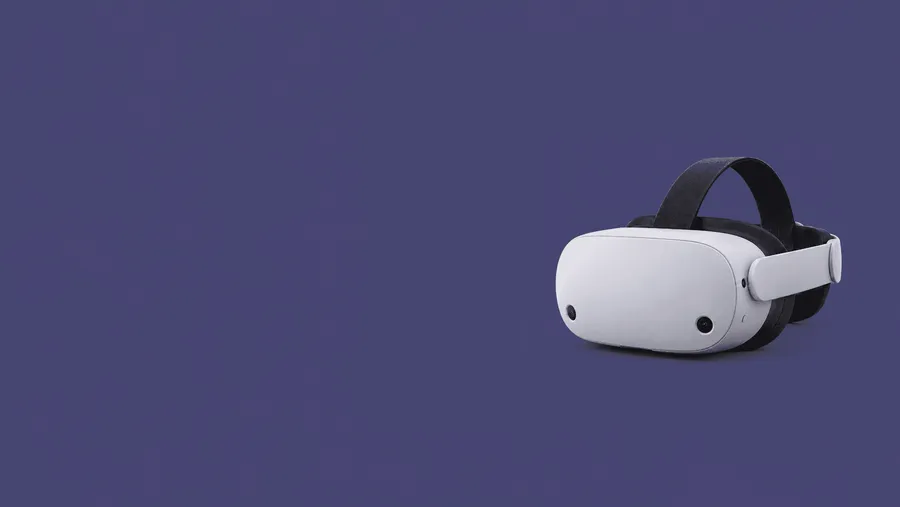
As a result, Virtual Reality Exposure Therapies (VRET), which are part of cognitive-behavioral therapies (VRET), are all the more appropriate as the exposures are done in a gradual, adapted manner, saving time for the user and the therapist. In addition, doing relaxation in virtual reality allows for a rapid immersion and the most total possible which allows you to drastically reduce anxiety very quickly.
8. WHAT SOLUTIONS CAN YOU MANAGE ANXIETY ATTACKS?
Taking care of yourself from the first symptoms or from the first panic attack is fundamental. Indeed, this will make it possible to understand your anxiety, and to be able to reduce its appearances, and to prevent them from generalizing to new situations.
Beyond the techniques mentioned above, such as cardiac coherence, breathing techniques, relaxation etc., cognitive-behavioral care is adequate. Indeed, this therapy will allow us to understand the origin of anxiety while acting on it through exercises and alternative strategies to alleviate this anxiety. In this way, it will be possible to make exposures gradual and adapted to the anxiety-provoking situation or which generates panic attacks.
As a result, Virtual Reality Exposure Therapies (VRET), which are part of cognitive-behavioral therapies (VRET), are all the more appropriate as the exposures are done in a gradual, adapted manner, saving time for the user and the therapist. In addition, doing relaxation in virtual reality allows for a rapid immersion and the most total possible which allows you to drastically reduce anxiety very quickly.
C2Care, a leader in immersive technologies for mental health
Create your free account to explore over 250 virtual reality exposure situations and subscribe directly online.
FAQs on anxiety attacks and virtual reality
How long does an anxiety attack last?
An anxiety attack usually lasts a few minutes, up to about half an hour. It occurs suddenly and intensely, without always warning, and often leaves physical and moral exhaustion at the end.
What are the first signs of an anxiety attack?
Hyperventilation is among the most common symptoms: accelerated breathing, feeling of lack of oxygen. Other physical signs are often added: sweating, tremors, dizziness, or psychological symptoms such as the feeling of loss of control.
Who is most at risk of having anxiety attacks?
More than 20% of the population experiences or will experience an anxiety attack during their life. Women are twice as at risk as men, and the peak of attacks is between the end of adolescence and the early forties.
How to calm an anxiety attack quickly?
Square breathing helps in an emergency: inhale for 4 seconds, hold for 4 seconds, exhale for 4 seconds, hold for 4 seconds again, repeat 4 or 5 times. Cardiac coherence, with 6 breaths of 5 seconds, also calms anxiety quickly.
What are the consequences if an anxiety attack is not treated?
The absence of support often leads to avoidance of anxiety-provoking situations, which consolidates the worry. Other phobias may appear, such as agoraphobia, and a state of panic lasting beyond 6 months may develop into panic disorder.
What treatment is available for recurrent anxiety attacks?
Cognitive-behavioral treatment is adequate to understand the origin of anxiety and act on it through exercises and graduated exposures. Virtual reality exposure therapies, which are part of the CBT, allow graduated and adapted exposure while saving time for the patient and the practitioner.
Why use virtual reality in the field of mental health?
Virtual reality allows graduated and controlled exposure to anxiety-provoking situations in a secure setting, with realistic and reproducible environments. It promotes patient engagement and allows personalized care, adjustable according to their needs.
How does the Camille AI assistant help manage anxiety attacks?
The Camille AI assistant accompanies the patient and represents a trusted person to confide in without judgment. It also intervenes via virtual characters integrated into the exposure scenes.
Author
C2Care
Related articles
Emotional dependence
I could die without you”… Have you ever caught yourself saying this sentence, or thinking it? You particularly suffer from friendly or romantic breakups, and you have the impression that this pattern is recurring regularly? It is impossible for you to imagine being able to make a decision or even being able to live without the other? It is therefore highly possible that you suffer from emotional dependence, and that it eats away at you on a daily basis, in your personal, relational or professional life.
Improve your concentration
Knowing how to concentrate is not something innate, you have to learn to develop it. And yet, it is the key to our development in our personal and professional life, and will help you achieve your goals. Therefore, it will bring you personal satisfaction and pride of accomplishment. However, it is not easy to cut ourselves off from all surrounding or internal distractors and pay particular attention only to our objective. Here are some tips on how to improve your concentration.
Fear of abandonment
The fear of abandonment is a major anxiety linked to the idea that we do not deserve the love of others and that we will quickly be rejected. This anxiety has a significant impact on your life. It causes anxiety and psychological suffering. You sometimes have reactions of isolation, irritability, jealousy, aggressiveness that you do not always understand towards the people you love. A fear of abandonment eats away at the little joys you can have in your daily life.
Cardiac coherence
Cardiac coherence is a breathing technique which aims to immediately reduce the heart rate in a particularly stressful situation. You can be fully involved in regulating your emotions, in a quarter of an hour a day.
Understanding your stress
It is not always easy to understand your stress in a situation and recognize it. It is sometimes difficult to know what this anxiety refers to. And yet this is necessary to reduce this anxiety, its symptoms and regain daily serenity.
Sophrology
Reducing your anxiety by being completely in control of your body and your thoughts is the very principle of sophrology. This therapeutic technique is based on various methods of relaxation, breathing, and imagery which bring rapid and long-term relief. Sophrology has also proven itself when used accompanied by virtual reality.