
August 31: International Overdose Prevention Day
It is International Overdose Prevention Day. In France, several hundred overdose deaths were recorded in 2022, affecting people aged 15 and over. Drug use is increasing, and both users and dealers are increasingly turning to hard drugs. Those who used to sell cannabis may now also sell cocaine. These drugs have become easier for users to obtain. Drug dealing now includes an on-demand delivery model: the police have noticed that some people have drugs delivered to them. Saving lives by preventing the use of illicit substances has therefore become a priority.
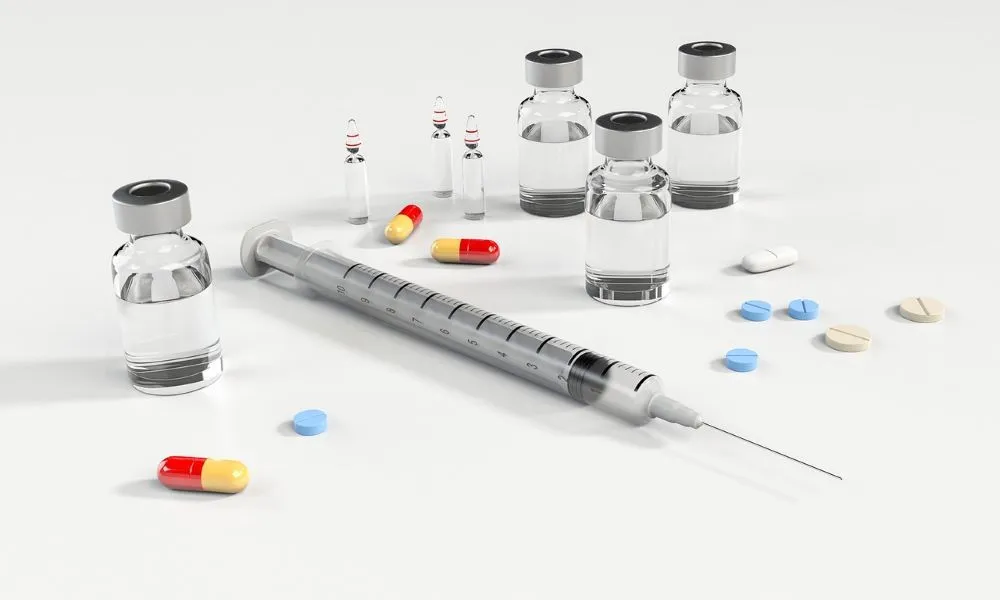
Key takeaways
- Overdose: exceeding the body's tolerance threshold for a substance, which varies from person to person.
- The illegal market and adulterated drugs (fentanyl, carfentanil) increase the risk of accidental or intentional overdose.
- Prevention: avoid judgment, avoid leaving the person to use drugs alone, do not mix substances, and have an overdose emergency kit available.
- Warning signs: changes in personal hygiene and lifestyle, sleep disturbances, marks on the body, dilated pupils, and impulsive behavior.
- If someone shows signs of an overdose (coma, breathing or heart problems), call emergency services immediately.
1. WHAT IS AN OVERDOSE?
An overdose is an excessive intake of a substance, whose effects produce changes that the body can no longer support. The amount consumed exceeded the body's tolerance threshold. This threshold is unique in each person, depending on morphology, usual consumption, lifestyle habits, etc.
No matter what drug or medication you take, it is possible to overdose. Today, the illegal market for illicit substances is growing and affecting more and more users, whether they are initiated into consumption or not. Lack of knowledge of the consequences and uses on consumers makes this consumption all the more dangerous. The overdose may have been done accidentally following drug consumption or intended as a suicide attempt.
In addition, it is difficult to really know what the substance consumed contains. Regularly drugs are adulterated with other substances which can be much more dangerous in small doses than we think, such as fentanyl or carfentanil. Overdose may manifest as altered states of consciousness, which may cause comas. Excessive sweating and a decrease in respiratory rate will be felt. You will experience a decrease in heart rate or, on the contrary, too much acceleration until it stops. These symptoms often lead to death if resuscitation treatment is not provided extremely quickly.
If you see anyone suffering from these symptoms, call emergency services immediately.
2. HOW TO PREVENT AN OVERDOSE?
As far as prevention is concerned, it is difficult to prohibit someone who wants to use drugs from using drugs. You will not be listened to or heard. Whatever happens, you can always try to prevent, guide and support the person. It is true that drug consumption is often due to a discomfort that we try to anaesthetize through a substance which, for a few moments, extinguishes the pain. Try to understand the composition of the drug the person is using. Do not be judgmental, but acknowledge their drug use without judgment. It can make it possible to understand the person's discomfort, but also to be able to refer them to a health professional more easily. If this person consumes in front of you, consider offering them to hydrate regularly. It is important that this person does not consume alone. This is how overdoses happen: when there is no one to call for help and help the person. But do you feel capable of looking after this person when they use? It is important to not consume other substances at the same time, and to start with small doses. Be prepared to alert emergency services if necessary.
The most important thing if you want to help a person who uses is to not make them feel guilty, but on the contrary, that you are ready to listen to them in order to help direct them to another professional. You can call the drug information center or an addiction center such as CSAPA or CAARUD. They can also provide you with anti-overdose kits that you can use on the person using the drug if they lose consciousness (the instructions are noted on the packaging). Be aware that death by overdose can be avoided if you administer the naloxone which is present in these kits by vaporization or injection as well as if you take certain first aid actions while waiting for the emergency services to arrive. Follow the instructions you receive and what the emergency services tell you. There may sometimes be some shortages, so remember to always try to have some on you or ask the person using to have one on them.
3. SIGNS OF EXCESSIVE CONSUMPTION
If you are unsure about someone's consumption, and you have doubts about their behavior, know that certain signs can give you clues. Not all drugs necessarily have the same symptoms, but this can already give you a clue. It is possible that you have noticed a change in the person's daily activities and lifestyle, they may have changed their relationship to food (significant weight gain or loss) and have an unstable sleep cycle, great fatigue, and an unpleasant body odor. It is also possible to have noticed some impulsive, aggressive behavior and a lot of daydreams in the person, accompanied by great anxiety, even depressive symptoms.
Physically, you may notice certain unusual marks on the body, syringe marks, red eyes and a particularly dilated pupil, tremors, redness or abnormal paleness, nosebleeds, dry cough, etc.
If you feel like you have detected this in someone around you, you can try to talk to them about possible solutions, in a kind way. Once again, keep in mind the fact that drug use is a crutch, and a solution found to alleviate another underlying illness. You can therefore invite him to carry out a diagnostic assessment of his consumption with a professional. There are clinics specializing in addiction, hospital services or psychiatrists who can help him.
In any case, do not try to bear the burden of this person's consumption on yourself, but help them to be redirected towards a professional or a center which can help them in an appropriate way.

C2Care, a leader in immersive technologies for mental health
Create your free account to explore over 250 virtual reality exposure situations and subscribe directly online.
International Overdose Prevention Day FAQ
What is an overdose?
An overdose is when you overdose on a product, causing changes that the body can no longer tolerate. The tolerance threshold exceeded is specific to each person, depending on their body shape, consumption habits and lifestyle.
What are the signs of excessive consumption?
Several clues can alert you: changes in lifestyle, sleep problems, significant fatigue, impulsive or anxious behavior. Physically, needle marks, red eyes, dilated pupils or tremors may also appear depending on the substance consumed.
What should I do if I see someone suffering from an overdose?
Call emergency services immediately. An overdose can cause altered states of consciousness, excessive sweating and cardiac or respiratory rhythm disturbances, which can lead to death without rapid resuscitation treatment.
How to prevent an overdose in a person who uses drugs?
Without judging her consumption, you can help her by understanding the composition of the product taken, offering her hydration and ensuring that she never consumes alone. Be prepared to alert emergency services if necessary.
How does an anti-overdose kit work?
An anti-overdose kit contains naloxone, to be administered by spray or injection if the person loses consciousness. This action can prevent death while waiting for help. These kits are provided by addiction centers such as CSAPA or CAARUD.
How to refer a person to a health professional?
Offer him a diagnostic assessment of his consumption, carried out in a clinic specializing in addiction, in a hospital service or with a psychiatrist. Do not try to carry the burden of their consumption alone: your role is to help them find suitable care.
Author
C2Care
Related articles

Emotional dependence
I could die without you”… Have you ever caught yourself saying this sentence, or thinking it? You particularly suffer from friendly or romantic breakups, and you have the impression that this pattern is recurring regularly? It is impossible for you to imagine being able to make a decision or even being able to live without the other? It is therefore highly possible that you suffer from emotional dependence, and that it eats away at you on a daily basis, in your personal, relational or professional life.

Improve your concentration
Knowing how to concentrate is not something innate, you have to learn to develop it. And yet, it is the key to our development in our personal and professional life, and will help you achieve your goals. Therefore, it will bring you personal satisfaction and pride of accomplishment. However, it is not easy to cut ourselves off from all surrounding or internal distractors and pay particular attention only to our objective. Here are some tips on how to improve your concentration.
Managing an anxiety attack
As the situation overwhelms us, our anxiety takes an important place in our life, sometimes going so far as to cause a panic attack. This situation is particularly unpleasant for the person experiencing it, with significant physical and psychological symptoms. But this feeling is not irremediable, and there are some tips for managing your anxiety attack in the urgency of the situation. It is also possible to reduce the risk of panic attacks in the longer term by adopting certain strategies.

Fear of abandonment
The fear of abandonment is a major anxiety linked to the idea that we do not deserve the love of others and that we will quickly be rejected. This anxiety has a significant impact on your life. It causes anxiety and psychological suffering. You sometimes have reactions of isolation, irritability, jealousy, aggressiveness that you do not always understand towards the people you love. A fear of abandonment eats away at the little joys you can have in your daily life.
Emotional intelligence
Have you ever taken your stress or anger out on someone when it didn't come from them? Knowing how to accept and correctly manage your emotions is proof of emotional intelligence that is fundamental to success.

Sleep
Nearly 15% of the French population believes that sleeping is a waste of time. However, one in three people suffer from sleep disorders. And yet, sleep plays a major role in all areas of our lives. Indeed, good sleep is essential in learning and memorization (particularly long-term memory), in the development of metabolism (very favorable to good growth in young people) and in many cognitive and biological functions. This will help improve your general health and reduce the risk of depression, certain pathologies (such as cancer, obesity, stroke, etc.) or even accidents (car accidents, among others).