
Virtual reality and social skills training with researchers from Aix-Marseille University.
A doctoral student in psychology in the Social Psychology Laboratory at the University of Aix-Marseille, I work with Dr Del-Monte, Ms Fauvarque, and Professor Graziani on virtual reality in the therapeutic context. In this context, I have had the pleasure of working for 3 years with C2Care software. The plurality and personalization of environments allowed me to have the freedom to direct my research in the desired direction without technological barriers.

Key takeaways
- The AI assistant Camille accompanies the patient without judgment during the sessions.
- The Social Psychology Laboratory of the University of Aix-Marseille has been using C2Care software for 3 years for its research.
- Virtual reality makes it possible to work on social skills training, a little-exploited part of psychotherapy, via customizable role-playing games.
- The environments are adapted to stimulate the social behaviors of patients affected by glossophobia or school phobia.
- The first results are encouraging in improving social confidence and quality of life of patients.
TRAINING IN SOCIAL SKILLS WITH RESEARCHERS FROM AIX-MARSEILLE UNIVERSITY
Doctoral student in psychology within the Social Psychology Laboratory of the University of Aix-Marseille, I work with Dr Del-Monte, Ms Fauvarque, and Professor Graziani on virtual reality in the therapeutic context.
In this context, I have had the pleasure of working for 3 years with software C2Care. The plurality and personalization of environments allowed me to have the freedom to direct my research in the desired direction without technological barriers. Virtual reality no longer has to prove its effectiveness in the therapeutic field. Whether in the treatment of phobias of all kinds, the cognitive rehabilitation or even relaxation, this constantly evolving tool, is a real asset for professionals and researchers. In addition, therapy is not always very engaging, but the fun and novel nature of virtual reality is a significant argument that attracts and motivates patients and participants alike for the field of research.
Generally presented as great supports for exposure therapy, we wanted to divert environments from their primary objective by focusing on a less exploited part of psychotherapy: social skills training. And yet... in many psychiatric pathologies, from social anxiety to personality disorders including schizophrenia or autism, the acquisition of social skills is often lacking. These problems in interpersonal relationships generate difficulties in the spheres of private, social and professional life which are added to the other symptoms that the patient must face. Intervention in these areas most often involves role-playing in the context of therapeutic groups or simulated situations in the therapist's office.
Although these modalities remain interesting, they have the drawback of being too far removed from the situations that patients experience in their daily lives. Unfortunately, it is often complicated, if not impossible, to mobilize external individuals who agree to play the role of social interlocutors in the context of role-playing games.
This is where virtual reality can be exploited in all its capabilities. The plurality of environments, but also their controllability, and their customization are all elements which make it a relevant basis for these role-playing games. The software offers a variety of very relevant situations: school situations, or even situations requiring speaking in front of a varied audience. This personalization makes it possible to scale the difficulty (such as for example the attitude of the interlocutors, the number of people present in an audience) which is extremely interesting for research and for therapeutic practice. We were able to offer exactly the same situation to all our participants and ensure the validity of our results. With a real situation, the uncontrollable variables would have been too numerous to allow us to validate our hypotheses without fear that they would be more responsible for the results than the variables we chose to put in place.
Based on the environments provided for the exposure of patients affected by glossophobia and school phobia, we worked on how to stimulate social behaviors in these environments. In other words, we worked to increase social behaviors towards virtual characters (like the audience) present in the virtual environment.
Without revealing too much at the moment, the results are encouraging and offer us interesting perspectives. Being able to stimulate these behaviors in virtual reality would allow patients to feel more confident in implementing these behaviors in their daily life, which will improve their social sphere and therefore social support, and in fact, their quality of life.
Article written by Lisa Cerdà – Doctoral student in Psychology – Social Psychology Laboratory of the University of Aix-Marseille
Without revealing too much at the moment, the results are encouraging and offer us interesting perspectives. Being able to stimulate these behaviors in virtual reality would allow patients to feel more confident in implementing these behaviors in their daily life, which will improve their social sphere and therefore social support, and in fact, their quality of life.

C2Care, a leader in immersive technologies for mental health
Create your free account to explore over 250 virtual reality exposure situations and subscribe directly online.
Author
Lisa Cerda
Related articles
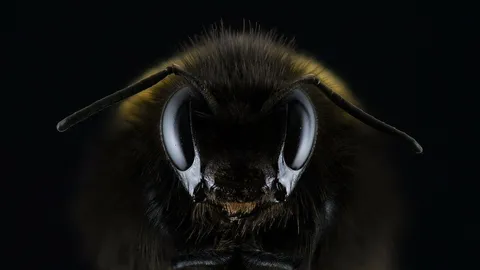
Fear of insects: a widespread phobia
Extreme fear of insects is called entomophobia and is one of the most common forms of phobia. It causes panic and acute anxiety in victims, but there are effective ways to get rid of it, such as virtual reality, medications, etc. Psychologists offer virtual reality therapies to help their clients overcome this fear by engaging in risky situations in a safe, virtual setting. These specialists use control settings to adjust the environment created by the computer. Complex virtual environments involve replicating aspects of the real world, through 360-degree panorama, 3D graphics and sounds. Children and adults can develop entomophobia, especially when they have previously had hostile experiences with a particular insect. With approximately 6% of the population suffering from entomophobia, C2care provides clients with psychological and medical treatment for various fears, eating disorders, addiction-related stress, and implements virtual reality exposure therapy into their program. Keep reading to understand how virtual reality can help eradicate the fear of insects.

Imposter syndrome
Do you have a feeling of fooling the world around you, whether from a personal or professional point of view? Do you have trouble accepting compliments? Maybe you are prone to imposter syndrome! Although not considered pathological, imposter syndrome arouses a lot of curiosity in psychology. Indeed, it affects a large majority of people who may have this experience at least once during their life.

Formavenir, C2CARE and AP-HP revolutionize caregiver training with virtual reality and are finalists for the Sante Expo 2020 Innovation Trophies
The union of three experts gives rise to **Caregivers Ré.V**: serious game-type simulation training modules, using the immersive capacity of virtual reality to work on the soft skills of caregivers in the management of pain or the management of the aggressiveness of their patients. Supported by Formavenir, C2Care and the DMU Neurosciences du Kremlin-Bicêtre (AP-HP), this device is a finalist for the Santexpo 2020 Innovation Trophies, in the Human Resources category.
Positive psychology
Even today, many therapies focus mainly on what is wrong. Thus a lot of knowledge has been accumulated concerning the negative which surrounds humans. But little attention has been paid to the strengths of people that enable them to be in a state of well-being. To get better, it is also necessary to understand what makes you feel good.

Mental health and climate change
You may be wondering what link there may be between climate change and mental health? After all, how can one impact the other? The WHO (World Health Organization) indicates that climate change represents a significant risk for mental health. So in addition to impacting our planet, these changes will have an impact on anxiety, depression, violence and even post-traumatic stress.

My child is afraid to go back to school
Parents and guardians currently considering the choices to make when it comes to reopening schools during the height of a deadly outbreak may have an additional challenge on their hands: children afraid to return to the classroom. Feelings of agitation are common and expected in times of change or transition. This is especially true for children and adolescents returning to school or children entering kindergarten for the first time.