
Fear of insects: a widespread phobia
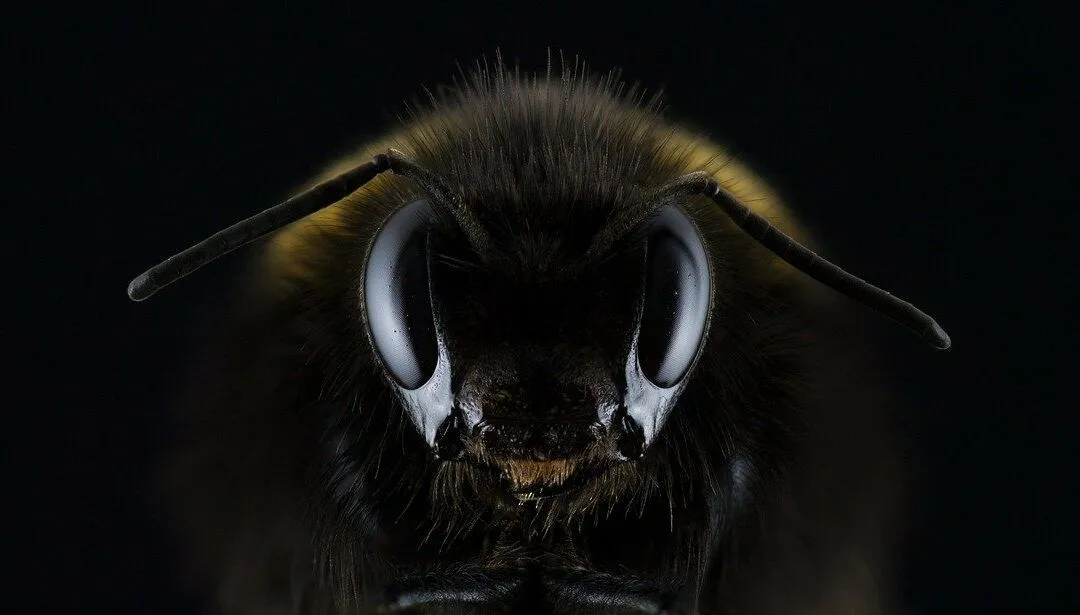
Extreme fear of insects is called entomophobia and is one of the most common forms of phobia. It causes panic and acute anxiety in victims, but there are effective ways to get rid of it, such as virtual reality, medications, etc. Psychologists offer virtual reality therapies to help their clients overcome this fear by engaging in risky situations in a safe, virtual setting. These specialists use control settings to adjust the environment created by the computer. Complex virtual environments involve replicating aspects of the real world, through 360-degree panorama, 3D graphics and sounds. Children and adults can develop entomophobia, especially when they have previously had hostile experiences with a particular insect. With approximately 6% of the population suffering from entomophobia, C2care provides clients with psychological and medical treatment for various fears, eating disorders, addiction-related stress, and implements virtual reality exposure therapy into their program. Keep reading to understand how virtual reality can help eradicate the fear of insects.
Key takeaways
- Entomophobia is an intense fear of insects, one of the most common specific phobias.
- Its possible causes: negative experience, family learning, genetic predisposition, fear of contamination or bites.
- It is treated by exposure therapy in virtual reality (VRET), often associated with cognitive-behavioral therapy (CBT).
- At C2Care, the protocol includes approximately eight sessions: psychoeducation, relaxation, virtual exposure, relapse prevention.
- Virtual reality facilitates access to treatment compared to in vivo exposure.
1. WHAT LEADS TO ENTOMOPHOBIA?
According to experts, there is no exact cause of entomophobia and other phobias. C2care suggests that temperaments such as being more sensitive or negative can cause a phobia. Here are other causes of entomophobia.
- A depressing experience – negative or traumatic experiences can reinforce specific phobias, such as being stung by a bee at an early age. Depressed people have less interest in life, which results in low self-esteem and feelings of unworthiness. Depressive feelings and insecurity lead to fear of insects.
- Your family – children can acquire entomophobia from their siblings or parents. For example, you may develop a fear of insects when your mother screams at the sight of spiders and insects.
- Genetic research shows correlation between genes and phobias.
- Brain injuries – Brain injuries, including concussions, can lead to anxiety disorders and increase fear conditioning, which predisposes your brain to fear due to the stressful consequences of the injury.
- Fear of contamination – the main cause of entomophobia comes from the fear of contamination by insects, as most insects such as cockroaches and flies carry infections. The disgusting appearance of some insects also creates anxiety.
- Fear of insect bites and infestation: some individuals fear being bitten by insects and subsequently contracting an illness. Allergic reactions to insects, such as fire ant and wasp stings, can fuel entomophobia. Other people also fear insect infestation in their body.
The thought of being near insects can cause unwanted physical and mental symptoms, such as sudden feelings of intense anxiety/fear when thinking about or seeing an insect, chest tightness, sweating, dry mouth, tremors, panic attacks, and nausea.
2. HOW TO TREAT FEAR OF INSECTS?
Virtual reality
Entomophobia can be treated with virtual rehabilitation and exposure therapy.
VR technology is essential during exposure therapy (a treatment option where patients are gradually introduced to traumatic stimuli). In the virtual setting, a patient safely interacts with depictions of entomophobia such as spiders, wasps, and bees.
In 2011, three researchers from the University of York proposed the use of the VRET (virtual reality exposure therapy) system for the treatment of phobias. C2care uses these tools to produce scary insects in the virtual environment; thus, patients may not need a therapist.
Our virtual rehabilitation trains therapeutic patients based on conventional therapy and virtual reality simulation activities. It's entertaining and motivates patients to overcome their fears. It also uses objective outcome elements of therapy effectiveness (range of mobility, game scores, limb speed, etc.). This information is transparently stored by the computers running the VR software and is available online.
Thus, VR therapy can be conducted in the comfort of the patient's home and monitored remotely. Remember that virtual rehabilitation is more expensive than equipment and medications and it makes the client more active with desensitization.
At C2care, we set unique goals for each treatment to drive progress. Over the course of approximately eight rounds of sessions, we focus on the following:
- Psychoeducation – it consists of identifying the fundamental cause of fear and the symptoms and signs linked to it. We also introduce VR at this stage and answer questions about the process.
- Relaxation – at this stage we explore types of breathing to help patients cope with moments of fear, anxiety and stress. We begin by orienting the patient with a neutral VR setting for a smoother transition to advanced virtual.
- Virtual exposure and relaxation: the patient is exposed to various insect scenarios. The triggers are unique to each session, but the breathing methods are similar.
- Relapse Prevention: Our mental health experts are in contact with patients to analyze therapy sessions and plan exercises for future insect exposure. We equip the patient with distinct tools and software to prevent imminent relapses.
Cognitive-behavioral therapy (CBT)
This treatment option involves imagining various insects in your thoughts and determining how they affect you. It focuses on changing your reactions and thinking about the phobia by identifying and reducing the triggers.
We merge this therapy with virtual reality to help patients control their thoughts until they are no longer susceptible to the fear of insects.
CBT has also demonstrated impeccable excellence in treating a range of specific fears, thanks to its large number of successful treatments and long-term effects. Some of the best therapies to treat entomophobia issues include CBT personalized by exposure to virtual reality in VIVO
Medicines
Psychotherapy is one of the most effective methods for overcoming entomophobia. Our mental health specialists may recommend certain medications to minimize the symptoms of entomophobia. Prescribed medications may include:
- Beta blockers – these drugs block the effects of adrenaline, such as high blood pressure, heart rate and palpitations.
- Antidepressants – these reduce the fear of anxiety associated with insects.
- Anti-anxiety medications – these are recommended for short-term use and reduce anxiety.
Note that beta blockers, antidepressants, and anti-anxiety medications are not approved by the Food and Drug Administration (FDA) to combat phobias.
3. WHAT ARE THE ADVANTAGES OF VR COMPARED TO IN VIVO EXPOSURE (EIV)
VR exposure therapy can be performed from anywhere in the world using appropriate tools, while in vivo exposure can pose problems when transportation is unreliable. People with mobility issues, such as obesity and paralysis, can use VR effectively because it poses fewer ethical concerns than EIV.
VR also motivates patients through in-game rewards, high scores, and leaderboards. Using high scores and game data, our therapists can assess progress and note the patient's performance for better inspiration.
4. WHAT IS THE DIFFERENCE BETWEEN EKBLOM SYNDROME AND ENTOMOPHOBIA?
The fear of insects crawling on your skin is called Ekblom syndrome. It makes the patient's skin appear to be infested with insects and may result in self-harm to eliminate the infestation.
Rather, entomophobia is simply the fear of insects.
Through gradual and regular exposure to insects, patients can eradicate this phobia.

C2Care, a leader in immersive technologies for mental health
Create your free account to explore over 250 virtual reality exposure situations and subscribe directly online.
5. CONCLUSION
Do you treat people who suffer from entomophobia or other specific phobias? Don’t forget to check out our virtual reality therapy services. At C2care, we provide virtual reality hardware and environments for a multitude of mental health conditions. When it comes to entomophobia, some of our virtual reality remedies include virtual anthills or spiders approaching the patient's house, virtual representation of insects in your house and much more. It contains eight exposure sessions lasting approximately half an hour. Our VRET therapy can be used on children over 4 years old, adolescents, adults and the elderly. Implementing VR therapeutic techniques offers a cure that you and your patients are looking for.
Are you a healthcare professional? Discover our solutions to treat your patients' phobias
Are you an individual? Discover our services to treat your insect phobia
C2Care, a leader in immersive technologies for mental health
Create your free account to explore over 250 virtual reality exposure situations and subscribe directly online.
Entomophobia and Virtual Reality FAQ
What is entomophobia?
Entomophobia is the fear of insects. It is distinguished from Ekblom syndrome, where the patient believes his skin is infested with insects, which can lead to self-mutilation to eliminate this felt infestation.
What are the symptoms of fear of insects?
Exposure to insects can cause intense anxiety, chest tightness, sweating, dry mouth, tremors, panic attacks and nausea. These symptoms appear even when thinking about or seeing an insect.
How to treat entomophobia with virtual reality?
Virtual reality exposure therapy gradually exposes the patient to representations of insects (spiders, wasps, bees) in a secure setting. At C2Care, the protocol includes approximately eight sessions: psychoeducation, relaxation, virtual exposure and relapse prevention.
What are the advantages of virtual reality compared to in vivo exposure?
Virtual reality exposure therapy can be practiced from anywhere, without the hassle of transportation. It is also suitable for patients with mobility problems and poses fewer ethical questions than in vivo exposure.
Can cognitive behavioral therapy treat fear of insects?
Yes. Cognitive behavioral therapy helps identify and reduce insect-related triggers. C2Care combines it with virtual reality to help patients control their thoughts when faced with this phobia.
Can medication treat entomophobia?
Specialists may recommend beta blockers, antidepressants, or anti-anxiety medications to reduce symptoms. However, these treatments are not approved by the FDA specifically to combat phobias.
From what age can virtual reality exposure therapy be used for entomophobia?
C2Care Virtual Reality Exposure Therapy can be used from 4 years old, as well as for adolescents, adults and the elderly. It includes eight sessions of approximately half an hour.
What causes fear of insects?
There is no single identified cause. Negative experiences, family transmission, genetic predispositions, brain trauma, fear of contamination or injections are among the factors mentioned.
Author
C2Care
Related articles

Procrastination
Procrastination is a well-known phenomenon that affects most of us. It’s this tendency to procrastinate on tasks that need to be accomplished.

Fear of abandonment
The fear of abandonment is a major anxiety linked to the idea that we do not deserve the love of others and that we will quickly be rejected. This anxiety has a significant impact on your life. It causes anxiety and psychological suffering. You sometimes have reactions of isolation, irritability, jealousy, aggressiveness that you do not always understand towards the people you love. A fear of abandonment eats away at the little joys you can have in your daily life.

Depression in the elderly
In recent years, the use of VR in geriatrics has grown considerably. As Mathias et al reported in a 2019 literature review, VR has become an effective tool for the screening and treatment of cognitive disorders, while it has also found uses in the treatment of Alzheimer's disease. The use of VR in treating mood disorders and other forms of depression in older adults has lagged, but there is reason to believe that it will be the next frontier in treating mental health disorders among older Americans. VR has been used with great success in the treatment of ADHD, anxiety and depression in adolescents and young people, leading many geriatric specialists to see exciting potential for older age groups. So let’s take a closer look at how this technology could be applied, and what kind of benefits older people can expect from it.

My child is afraid to go back to school
Parents and guardians currently considering the choices to make when it comes to reopening schools during the height of a deadly outbreak may have an additional challenge on their hands: children afraid to return to the classroom. Feelings of agitation are common and expected in times of change or transition. This is especially true for children and adolescents returning to school or children entering kindergarten for the first time.
What is a phobia?
Phobos is the incarnation of fear, he followed his father on the battlefields. The panicky fear that he triggered at the mere sight of him reflects what a person feels when confronted with the object of their fear. There are many phobias and some are more well known than others, including agoraphobia and claustrophobia. On the other hand, aviophobia is less so as it affects many of those who would also dream of discovering fine sandy beaches.
What is the impact of Covid-19 on mental health?
The Covid-19 pandemic has had a significant impact on mental health, between fear, isolation and financial distress. This article reviews the main psychological effects of the health crisis and therapeutic solutions, including virtual reality exposure therapy (VRET), to help patients cope.