
Depression in the elderly
In recent years, the use of VR in geriatrics has grown considerably. As Mathias et al reported in a 2019 literature review, VR has become an effective tool for the screening and treatment of cognitive disorders, while it has also found uses in the treatment of Alzheimer's disease. The use of VR in treating mood disorders and other forms of depression in older adults has lagged, but there is reason to believe that it will be the next frontier in treating mental health disorders among older Americans. VR has been used with great success in the treatment of ADHD, anxiety and depression in adolescents and young people, leading many geriatric specialists to see exciting potential for older age groups. So let’s take a closer look at how this technology could be applied, and what kind of benefits older people can expect from it.

Key takeaways
- Depression affects 1 to 5% of older adults in the United States, up to 14% in home or institutional care.
- 10 to 20% of American older adults suffer from some form of clinical anxiety, most commonly phobias.
- Virtual reality allows patients to be virtually exposed to the source of their anxiety, without leaving their place of care.
- VR can alleviate depression related to loss of mobility by simulating virtual outings or trips.
- It is also used for the management of chronic pain, via cognitive distractions.
- Virtual reality exposure therapy (VRET) could become widespread in geriatrics.
1. DEPRESSION: A MAJOR CHALLENGE FOR GERIATRICS IN THE UNITED STATES
Before examining some applications of VR in geriatrics, it is important to put them in context. Clinically diagnosed depression affects between 1 and 5 percent of older adults in the United States, and up to 14 percent of those who need home or institutional care.
Additionally, many more people experience milder symptoms of depression. For example, a study conducted in France found that 23% of older adults showed signs of depression. And even milder symptoms can lead to a serious decrease in quality of life.
The same study also found that depression increases the risk of death among older adults, findings that have been repeatedly confirmed by the NIH in its study on quality-adjusted life expectancy.
The fact is that depression makes life more miserable, exacerbates existing health problems, deters older adults from engaging with each other and the outside world, and – ultimately – shortens lives. Any therapy likely to alleviate his symptoms is therefore welcome. And VR fits into this category, as a quick overview of recent innovations shows.
Using VR to treat anxiety in older adults
Anxiety is a major mental health problem in the general U.S. population, but it is particularly serious among older adults. According to the Geriatric Mental Health Foundation, 10 to 20 percent of older Americans suffer from some form of clinical anxiety – most commonly phobias. And this condition can seriously compromise their standard of living.
Is it possible that VR can help? According to some researchers, the answer is yes. VR can help compensate for the lower effectiveness of treatments like cognitive behavioral therapy in older age groups – allowing practitioners to change behavior in situations where this was previously impossible.
Research published in 2015 by Sébastien Grenier of the University of Montreal suggested that VR could help by allowing older adults to virtually “confront” the source of their anxiety. By using VR headsets to create situations in which older adults are exposed to sources of anxiety, therapists can help them deal with these issues without needing to leave their home or place of care.
Can VR alleviate depression caused by reduced mobility?
The same theme fuels a broader debate on the application of virtual reality to geriatrics: can VR treatments help older people cope with depression caused by reduced exposure to the outside world, their bodies becoming less mobile and less physically capable?
Loss of mobility is certainly a cause of depression in older people. And it's also a major symptom of depression, creating dangerous feedback cycles that harm patients' mental health.
Older adults may choose to socialize less, go to fewer outdoor places, and generally interact less with the outside world due to bereavements, stress, and anxiety, making them less confident and more unhappy. This is a tragic situation for individuals, but potentially a very fruitful application of VR technology.
Studies conducted in healthcare settings have shown that head-mounted displays can safely and effectively deliver VR content to elderly patients, and that study participants report a high degree of comfort and enjoyment during VR therapies.
And the experience of those working in this field also shows that these therapies can be extremely effective.
VR headsets have become a staple at Minneapolis' Ebenezer Care Center, where residents use them to virtually visit places they've already seen or always wanted to visit. Feedback from residents using the headsets suggests that they become more relaxed and more open to social interactions after the VR sessions – exactly what you would want to see in a treatment for depression in older adults.
Using VR to help with pain management
In addition to alleviating anxiety and treating depression caused by reduced mobility, VR is finding unexpected uses in pain management – another important contributor to poor mental health in older populations.
In 2014, a major study showed that VR could be used to create cognitive distractions that can help people with chronic and acute pain. In many cases, this reorientation of attention can help reduce the perception of pain, with beneficial effects lasting beyond VR immersion sessions.
Additionally, immersive VR software has been used as a training aid to teach older adults effective pain management and physiotherapy techniques, which can often be the most important measure to alleviate pain in the long term. And it can be paired with wearable devices to provide valuable feedback to medical practitioners who may be far from patients.
All of this contributes to more effective pain management, which directly influences mood and overall happiness. As any older person who has suffered from chronic arthritis will inform you, pain and mental health are closely linked, and anything that helps relieve one tends to help when treating the other.
2. VIRTUAL REALITY THERAPY COULD REVOLUTIONIZE THE MENTAL HEALTH OF ELDERLY PEOPLE
These virtual reality applications form the tip of the iceberg. The use of augmented reality in therapies such as the CBT is still in its infancy, but there is strong reason to believe that the use of specially designed head-mounted displays and therapy software can help alleviate the symptoms of depression.
In the future, it is likely that techniques such as virtual reality exposure therapy (VRET) will become more widespread, as therapists carefully expose patients to experiences that can alleviate their anxieties.
On a less sophisticated level, VR experiences that simulate tourism and other social situations will be a common option for older adults in their leisure lives. So expect to see a mix of therapeutic, medically robust tools and commercially produced applications – resulting in a rich mix of techniques to make life more enjoyable and less stressful.
Many of the mental health problems that affect older adults stem from the loss of rich social experiences and their isolation from the outside world. With VR, we now have a set of tools that can counteract these problems like never before. And that’s why geriatric specialists, engineers, caregivers and older users are increasingly excited about what the technology has to offer.
VR is more than just a new thing. It is a far-reaching medical therapy that can ensure that old age is not a time of misery, fear and pain. Enriched social lives and positivity are available instead, provided the technology reaches its potential.
Sources: [in the order they are linked in the text above]
https://www.sciencedirect.com/science/article/abs/pii/S1064748119300971
https://www.sciencedaily.com/releases/2019/02/190206091423.htm
https://pmc.ncbi.nlm.nih.gov/articles/PMC4590980/
https://www.aagponline.org/index.php?src=gendocs&ref=anxiety
https://www.sciencedaily.com/releases/2015/02/150217114123.htm
https://pmc.ncbi.nlm.nih.gov/articles/PMC6974513/
https://www.startribune.com/vr-helps-seniors-cope-with-depression-anxiety-minneapolis-center-finds/467195193/
https://pmc.ncbi.nlm.nih.gov/articles/PMC4043364/

C2Care, a leader in immersive technologies for mental health
Create your free account to explore over 250 virtual reality exposure situations and subscribe directly online.
FAQs on depression in the elderly and virtual reality
Why use virtual reality in the field of mental health?
Virtual reality allows for graduated and controlled exposure to anxiety-provoking stimuli, in a reproducible environment that promotes patient engagement. It adapts to the needs of each patient and applies to anxiety disorders, addictions, mood disorders and cognitive remediation.
How common is depression in older people?
In the United States, diagnosed depression affects between 1 and 5% of older adults, and up to 14% of those requiring home or institutional care. A French study also noted signs of depression in 23% of elderly people.
Can Virtual Reality Help Treat Anxiety in Older Adults?
Yes. Anxiety affects 10 to 20% of older Americans, most commonly in the form of phobias. Researchers suggest that virtual reality makes it possible to virtually confront the source of anxiety, helping therapists change behaviors without leaving the setting of care.
Can virtual reality alleviate depression linked to reduced mobility?
Loss of mobility reduces exposure to the outside world and fuels cycles of depression in older adults. Healthcare facilities are using head-mounted displays to provide virtual tours of popular places, leaving residents more relaxed and open to social interaction.
Can virtual reality help with pain management in older adults?
Yes. A 2014 study showed that virtual reality creates cognitive distractions that reduce the perception of chronic and acute pain, with effects persisting beyond sessions. It is also used to train patients in pain management and physiotherapy techniques.
How does the Camille AI assistant support the patient?
Camille is an AI assistant that accompanies the patient throughout their exposures, without judgment. She plays the role of a trusted person in whom the patient can confide, and also intervenes via virtual characters integrated into the scenes.
Can I feel nauseous while using the headset?
Mild discomfort, called cybersickness, may occur in approximately 10% of virtual reality headset users. Studies carried out in healthcare establishments, however, show a high level of comfort and pleasure reported by elderly patients during the sessions.
How long has this existed?
C2Care has been testing its virtual reality exposure therapy software in hospitals since 2016. Its solutions are today used by more than 1,000 equipped practitioners, in nearly 50 countries, for the management of anxiety and cognitive disorders.
Scientific references and recommendations
- scientific-study
THE APPLICATION OF VIRTUAL REALITY IN GERIATRIC MENTAL HEALTH: THE STATE OF THE EVIDENCE
ScienceDirect
2019View - scientific-study
Depression increases risk of early death in older adults
ScienceDaily
2019View - scientific-study
Impact of depression on quality-adjusted life expectancy (QALE) directly as well as indirectly through suicide
PubMed Central (NCBI)
2015View - scientific-study
Can virtual reality help treat anxiety in older people?
ScienceDaily
2015View - scientific-study
Older Adults With Cognitive and/or Physical Impairments Can Benefit From Immersive Virtual Reality Experiences: A Feasibility Study
PubMed Central (NCBI)
2020View - scientific-study
Future Directions: Advances and Implications of Virtual Environments Designed for Pain Management
PubMed Central (NCBI)
2014View
Author
C2Care
Related articles

Procrastination
Procrastination is a well-known phenomenon that affects most of us. It’s this tendency to procrastinate on tasks that need to be accomplished.

Fear of insects: a widespread phobia
Extreme fear of insects is called entomophobia and is one of the most common forms of phobia. It causes panic and acute anxiety in victims, but there are effective ways to get rid of it, such as virtual reality, medications, etc. Psychologists offer virtual reality therapies to help their clients overcome this fear by engaging in risky situations in a safe, virtual setting. These specialists use control settings to adjust the environment created by the computer. Complex virtual environments involve replicating aspects of the real world, through 360-degree panorama, 3D graphics and sounds. Children and adults can develop entomophobia, especially when they have previously had hostile experiences with a particular insect. With approximately 6% of the population suffering from entomophobia, C2care provides clients with psychological and medical treatment for various fears, eating disorders, addiction-related stress, and implements virtual reality exposure therapy into their program. Keep reading to understand how virtual reality can help eradicate the fear of insects.
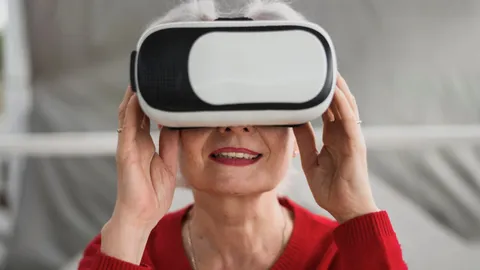
Virtual reality therapy to break the isolation of seniors – Clinical study of CHU in Nice
C2Care collaborated with CHU in Nice, as part of the “Bien Aging” project, on a clinical study integrating virtual reality with EHPAD residents. By relying on reminiscence therapy and personalized immersive content, the objective is to stimulate the autobiographical memory of seniors, improve their mood and break the isolation, particularly accentuated in people with mild to moderate cognitive disorders.

My child is afraid to go back to school
Parents and guardians currently considering the choices to make when it comes to reopening schools during the height of a deadly outbreak may have an additional challenge on their hands: children afraid to return to the classroom. Feelings of agitation are common and expected in times of change or transition. This is especially true for children and adolescents returning to school or children entering kindergarten for the first time.
What is the impact of Covid-19 on mental health?
The Covid-19 pandemic has had a significant impact on mental health, between fear, isolation and financial distress. This article reviews the main psychological effects of the health crisis and therapeutic solutions, including virtual reality exposure therapy (VRET), to help patients cope.

Sophrology
Reducing your anxiety by being completely in control of your body and your thoughts is the very principle of sophrology. This therapeutic technique is based on various methods of relaxation, breathing, and imagery which bring rapid and long-term relief. Sophrology has also proven itself when used accompanied by virtual reality.