
Virtual reality therapy to break the isolation of seniors – Clinical study of CHU in Nice
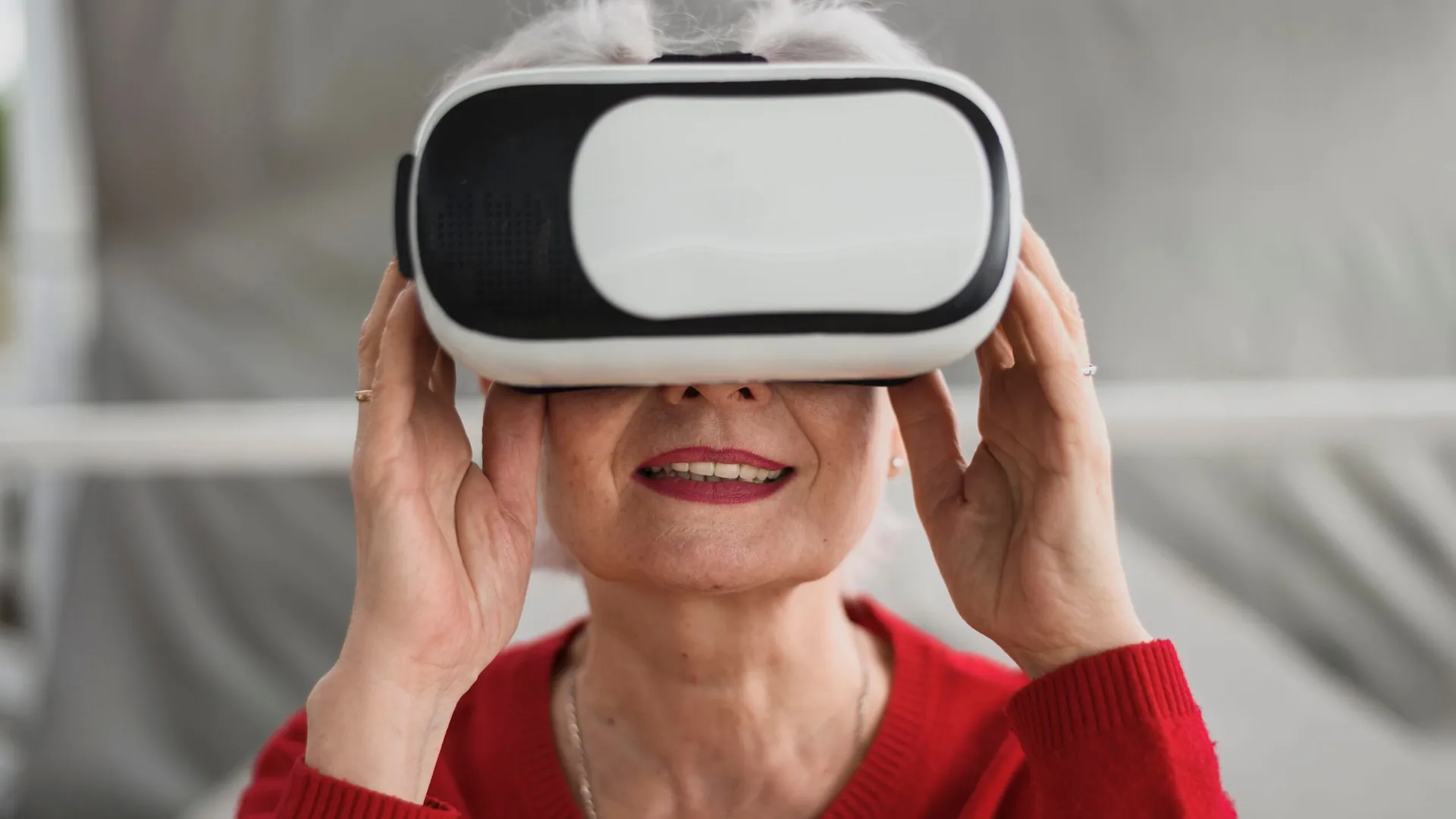
C2Care collaborated with CHU in Nice, as part of the “Bien Aging” project, on a clinical study integrating virtual reality with EHPAD residents. By relying on reminiscence therapy and personalized immersive content, the objective is to stimulate the autobiographical memory of seniors, improve their mood and break the isolation, particularly accentuated in people with mild to moderate cognitive disorders.
Key takeaways
- CHU of Nice and C2Care are carrying out a clinical study testing virtual reality against the isolation of EHPAD residents.
- Virtual reality reminiscence therapy aims to improve the mood of residents with mild to moderate cognitive impairment.
- Two groups are compared: personalized exposures according to the resident's life history and neutral exposures.
- The study lasts 15 months, with a target of 30 residents included, aged 65 or over.
- The Camille AI assistant supports patients without judgment during sessions.
The “Aging Well” project launched in January 2020 by CHU in Nice and supported by several patrons and partners, aims to invent the model of Aging Well and the future of health.
In this context, the gerontology teams at CHU in Nice and the company C2Care have set up a clinical study integrating virtual reality, with personalized immersive content.
The reminiscence triggered by virtual reality could have a positive impact on the mood of EHPAD residents presenting mild to moderate cognitive impairment, common symptoms of Alzheimer's disease. This and related illnesses reduce the quality of life of the sick person and often lead to mood disorders (depression, apathy and anxiety disorders). In addition, the isolation linked to the health crisis has accentuated these problems. Reminiscence therapy (RT) is part of the psycho-social therapies recommended by the High Authority of Health (HAS, 2015).
Virtual reality therapy is a new approach used in gerontology for various indications (cognitive training, fall prevention, diagnostic assistance). It constitutes an interesting and innovative medium thanks to its immersive specificities. Virtual reality can also be used for therapeutic purposes to stimulate autobiographical memory in older people. This pilot study will allow us to answer the following question: “Can virtual reality be useful in nursing homes to reduce the mood disorders of residents at mild to moderate stages of the disease?” »
The CHU study from Nice includes EHPAD residents in two groups. Each participant benefits from a virtual reality exposure session. The first group exposes residents to personalized films based on highlights of their life story. The second group offers neutral exposures. Residents are randomly assigned to these groups.
THE RESEARCH TEAM HOPES THE PROTOCOL WILL ALLOW
Don't be afraid to get help by discussing it with a health professional who will listen to you and without judgment. Find someone you trust (psychologist, doctor, naturopath, nutritionist, etc.) and explain to them what you feel and what you are experiencing. He will be able to advise you, guide you and give you certain tools that are adapted to your difficulties. You can say anything without fear of judgment. It is not always easy to be attentive, and this will help you understand the principle and yourself. Everyone can encounter these difficulties at one time or another, this does not make you lazy, sick or a problem person. Many therapeutic techniques exist to help you work in this direction (relaxation techniques, Virtual Reality, cognitive training, hypnosis…) If you really feel that you need medicinal help, ask your doctor for advice on food supplements to help with concentration. These food supplements will allow you to have certain nutrients that you may be lacking and that limit you to full concentration. Also take the time to understand how this lack of concentration affects your daily life. Once you understand this, try (in your head or on paper) to write down what is really important to you, your priorities. With what you know about yourself, try to understand how you can put these fundamental elements for you into your daily life with your current feelings.
THE CLINICAL STUDY IN NUMBERS
- Total duration of the study: 15 months
- Duration of the inclusion phase: 12 months
- Duration of participation for a patient: 6 weeks
- Protocol started on December 2, 2020
- Number of inclusions on EHPAD-USLD of the Cimiez hospital of CHU in Nice and at the EHPAD Clos de Cimiez as of 08/09/2021: 13 residents.
- Minimum age of participants: 65 years or over
- The project plans to include 30 residents
Press release of September 20, 2021

C2Care, a leader in immersive technologies for mental health
Create your free account to explore over 250 virtual reality exposure situations and subscribe directly online.
Senior Isolation and Virtual Reality FAQs
Why use virtual reality in the field of mental health?
Virtual reality allows for graduated exposure to anxiety-provoking stimuli in a controlled and repeatable setting. Immersive environments promote patient engagement and allow the practitioner to adjust each exercise. It is used for anxiety disorders, phobias, post-traumatic stress and obsessive-compulsive disorders.
What pathologies can be treated by virtual reality?
Virtual reality treats anxiety disorders, phobias, post-traumatic stress, obsessive-compulsive disorders and certain addictions. It is also used for cognitive remediation and, in older adults with mild to moderate cognitive impairment, to stimulate autobiographical memory and improve mood.
Since when has virtual reality been used in therapy?
C2Care has been testing its software in hospitals since 2016. Reminiscence therapy in virtual reality, like that studied by CHU in Nice since December 2020, is part of the psycho-social therapies recommended by the High Authority of Health since 2015.
Can I feel nauseous while using the headset?
Some people may experience cybersickness in virtual reality, a phenomenon similar to motion sickness. It concerns around 10% of users. The practitioner adapts the intensity and duration of exposure to limit this sensation and interrupts it if necessary.
Do I have access to all environments offered by C2Care?
Yes, all C2Care environments are grouped into a single application. You don't need separate software to switch between environments as needed for the session. This simplifies patient care regardless of the disorder being treated.
Who should I contact if I have a technical problem with the headset?
The C2Care technical service can be reached via the live chat of your control platform. In the event of a breakdown, a diagnosis is established with you and the defective equipment is replaced within 48 hours if necessary.
What is the “Aging Well” project of CHU in Nice?
Launched in January 2020 by CHU in Nice with several patrons and partners, this project aims to invent the model of aging well and the future of health. It led to a clinical study combining C2Care and virtual reality.
How long does the clinical study carried out with the CHU from Nice last?
The study lasts 15 months in total, with an inclusion phase of 12 months. Each resident participates for 6 weeks. The protocol began on December 2, 2020 and includes EHPAD residents aged 65 or older.
Do I have access to all environments?
Yes, all environments are grouped into a single application, accessible from your platform.
Who should I contact if I have software problems?
The technical service can be reached via live chat from your control platform. In the event of a problem with the headset, a diagnosis is made and, if necessary, the defective equipment is replaced within 48 hours.
Which patients can benefit from a VRET?
Patients with anxiety disorders, phobias, addictions, mood disorders, or mild to moderate cognitive impairments may benefit from virtual reality exposure therapy.
References
- item
How does a session with the psychiatrist go?
View - item
Thanks to the VRET
View - item
Through hypnosis
View
Author
C2Care
Related articles
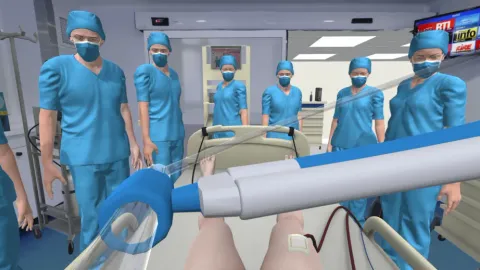
C2Care serving patients in intensive care
C2Care collaborated with the North Hospital of Marseille (AP-HM) as well as with Maryse Pour la Vie with the aim of preparing patients for their stay in the intensive care unit following a lung transplant operation. The very first patient to have contributed to this study was exposed before her operation. The results obtained are very positive.
Depression in the elderly
In recent years, the use of VR in geriatrics has grown considerably. As Mathias et al reported in a 2019 literature review, VR has become an effective tool for the screening and treatment of cognitive disorders, while it has also found uses in the treatment of Alzheimer's disease. The use of VR in treating mood disorders and other forms of depression in older adults has lagged, but there is reason to believe that it will be the next frontier in treating mental health disorders among older Americans. VR has been used with great success in the treatment of ADHD, anxiety and depression in adolescents and young people, leading many geriatric specialists to see exciting potential for older age groups. So let’s take a closer look at how this technology could be applied, and what kind of benefits older people can expect from it.

My child is afraid to go back to school
Parents and guardians currently considering the choices to make when it comes to reopening schools during the height of a deadly outbreak may have an additional challenge on their hands: children afraid to return to the classroom. Feelings of agitation are common and expected in times of change or transition. This is especially true for children and adolescents returning to school or children entering kindergarten for the first time.

Mental health and climate change
You may be wondering what link there may be between climate change and mental health? After all, how can one impact the other? The WHO (World Health Organization) indicates that climate change represents a significant risk for mental health. So in addition to impacting our planet, these changes will have an impact on anxiety, depression, violence and even post-traumatic stress.
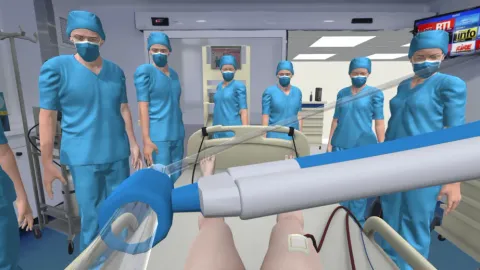
A world first: virtual reality for lung transplantation
For the first time in the world, a patient on the lung transplant list will be able to benefit from therapeutic virtual reality sessions to prevent post-operative psychological trauma, thanks to the unprecedented partnership between C2Care and AP-HM (Public Assistance – Marseille Hospitals).