
Our landing pages
Index
All our landing pages
All the site's landing pages, to be listed to build the menu.

A virtual reality care offer for each profile
C2Care offers personalized care offers in virtual reality, adapted to your situation: individual, private professional, health establishment or EHPAD.
Each offer combines headsets, immersive environments and support for the treatment of anxiety disorders, phobias and cognitive disorders.

Art therapy in virtual reality
Art therapy mobilizes creation as a support for expression, exploration and shaping of experience. Virtual reality opens up a new immersive creative space in which the user can engage in an artistic activity while being accompanied by the practitioner.
By going beyond the physical framework of the sheet or the workshop, immersive creation allows us to explore space, shapes and personal expression in a different way, in a reproducible digital environment.
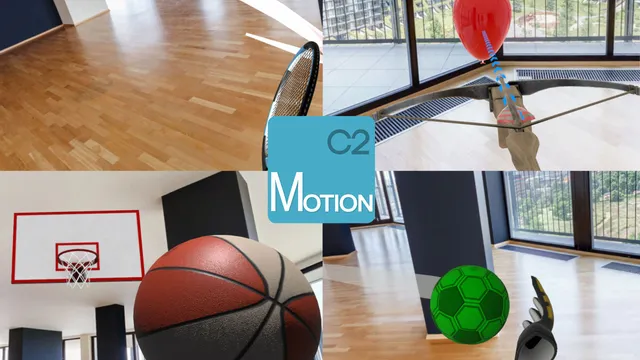
Assess your patients' mobility and support rehabilitation with C2Motion
C2Motion is physiotherapy software developed with a team of researchers and practitioners. It uses virtual reality and augmented reality to immerse the patient in environments dedicated to the assessment of mobility, vestibular rehabilitation and functional rehabilitation of the upper and lower limbs.
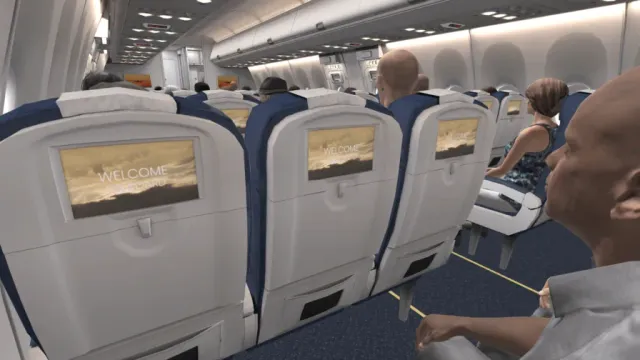
Aviophobia: a virtual airport and plane for graduated exposure
Aviophobia affects approximately 10% of the French population and 20% of the world population. C2Care offers virtual reality exposure therapy, based on cognitive-behavioral therapies, to support practitioners in the treatment of their aviophobic patients.

Aviophobia: virtual reality exposure for your patients
Aviophobia handicaps many patients in their professional or personal activities. Virtual reality displays an effectiveness estimated at 80%, with benefits that are maintained more than a year after treatment, according to Dr. Eric Malbos, psychiatrist. C2Care offers immersive environments dedicated to the airport and the plane to accompany your patients at every stage of the journey.

AWARE: a structured method to help your patients manage anxiety during sessions
The AWARE technique offers five steps to help the patient accept, contemplate and then act on their anxiety rather than trying to control it. Dr. Malbos recommends teaching it in session, as a structured dialogue with the patient. Camille, the AI assistant of C2Care, accompanies the patient without judgment during the exposure.
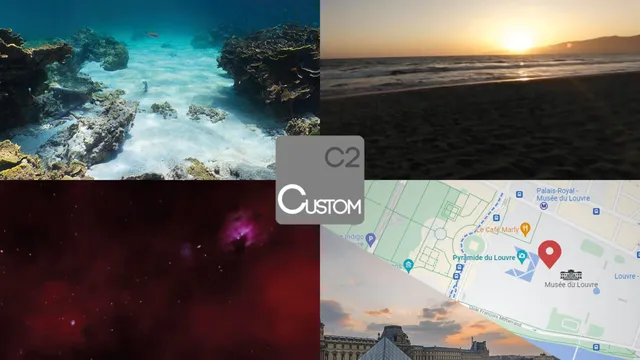
C2Custom: customize each virtual reality exposure environment
C2Custom allows practitioners to personalize their patients' care using photos, videos and 360° videos imported from the internet. This application complements the C2Care software to maximize the therapies practiced, from phobias to addictions, including eating disorders, relaxation or EMDR.
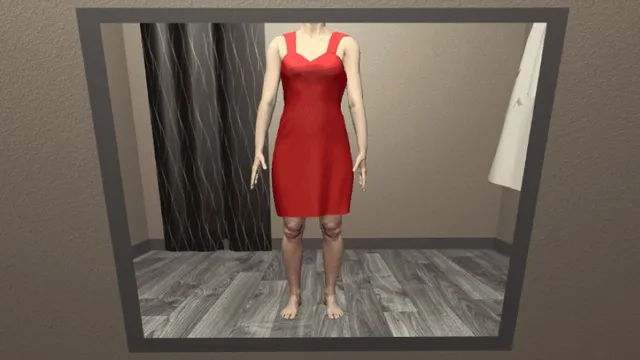
C2Nutri: a new approach to eating disorders for practitioners
Research on virtual reality exposure therapy applied to eating disorders is increasing. Marco (2013) demonstrated the relevance of this approach for dysmorphophobia, with exposure therapies combined with CBT achieving superior clinical results to CBT alone. The C2Nutri software draws on this work to support practitioners in the management of anorexia, bulimia, hyperphagia and obesity.

Camille, the C2Care AI assistant at the service of your practice
Camille, the AI assistant of C2Care, accompanies patients and practitioners throughout the therapeutic journey. Available in virtual reality as well as on smartphones and computers, it supports engagement without replacing the practitioner, by adapting to the needs of each individual.

Eating disorders: virtual reality at the service of your patients
Virtual reality displays 80% effectiveness, with benefits that are maintained more than a year after treatment (Eric Malbos, psychiatrist).
Graduated exposure helps regulate excessive consumption and work on false beliefs related to food.

Enrich your hypnosis sessions with virtual reality
C2Care offers multiple immersive environments (mountains, sea, forests, parks, gardens) enriched with auditory stimuli to facilitate hypnotic induction and relaxation.
C2Care supports practitioners in integrating virtual reality into their hypnosis sessions.
Gradually overcome your fears and anxiety with virtual reality
Virtual reality allows you to gradually confront certain difficult situations, in an immersive, controlled and reassuring environment.
The C2Care environments can be used independently or as part of support with a professional, depending on your needs and situation.
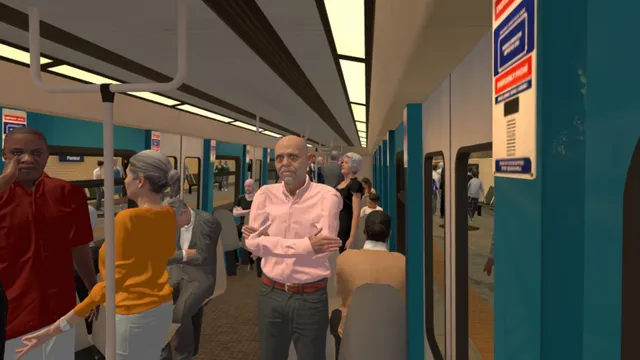
Helping patients manage transport phobia through virtual reality exposure
Driving, flying or taking the subway can generate severe anxiety that disrupts the patient's personal and professional daily life. Virtual reality exposure allows you to gradually confront these feared situations to restore confidence.
> “Virtual reality displays 80% effectiveness, with benefits maintained more than a year after treatment. » Eric Malbos, psychiatrist
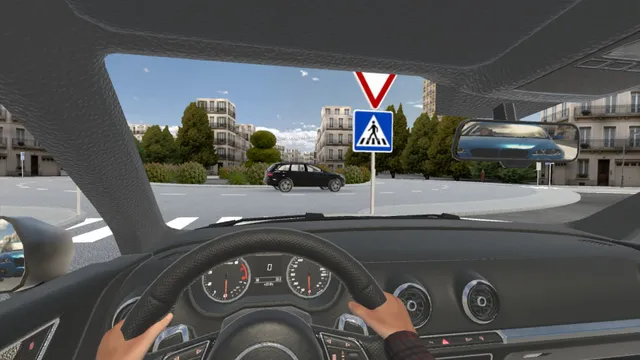
Helping your patients regain confidence behind the wheel
Amaxophobia, or fear of driving, causes some patients to avoid the road out of anxiety. C2Care offers a graduated exposure in virtual reality to support the practitioner in the management of this disorder.
“Virtual reality shows 80% effectiveness, with benefits maintained more than a year after treatment. » (Eric Malbos, psychiatrist)

Immersive environments for your hypnosis and relaxation sessions
C2Care offers multiple environments (mountains, sea, forests, parks, gardens) enriched with auditory stimuli to facilitate immersion and the feeling of presence. The practitioner thus accompanies his patients towards a state of tranquility, in a relaxation, sophrology or hypnosis session.

Immersive technologies for mental health professionals
Explore virtual reality environments designed to enrich your support and adapt exposure to the needs of each patient.
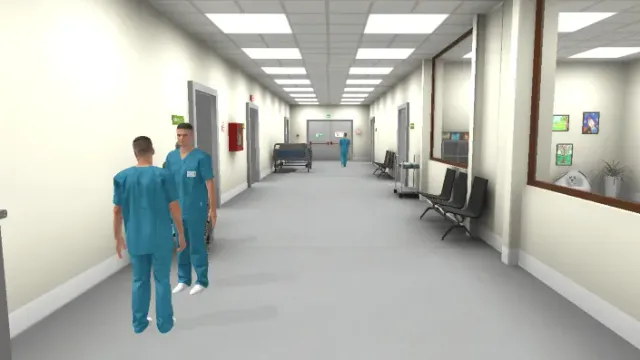
Integrate therapeutic virtual reality into your healthcare facility
C2Care supports hospitals, clinics and health establishments in the deployment of therapeutic virtual reality: equipment, software, team training and long-term support.
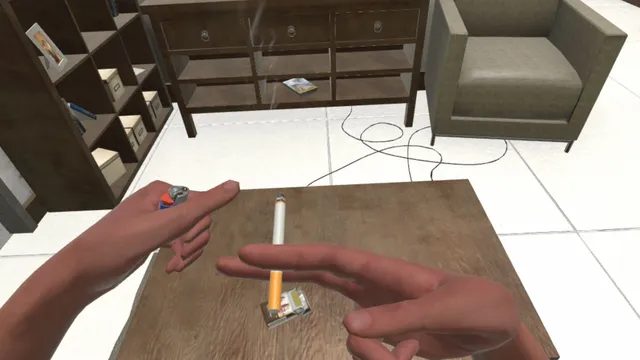
Integrate virtual reality exposure into tobacco addiction support
Certain everyday situations can trigger a desire to smoke: the presence of a cigarette, social context, consumption habits or requests from those around you. Immersive environments make it possible to gradually confront the user with these cues associated with consumption.
Used in particular as a complement to a cognitive-behavioral approach, the virtual reality exposure allows the practitioner to work with their patient on craving, thoughts, emotions and automatisms associated with tobacco. Discover more than 250 exposure situations.
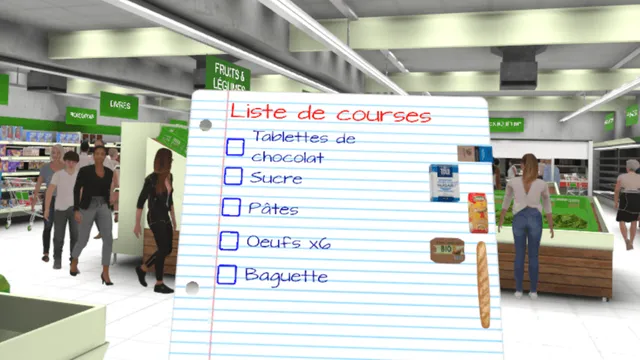
Integrating virtual reality into the daily lives of EHPAD residents
Faced with the ethical and medical dilemmas of EHPADs, virtual reality stands out as an alternative to traditional therapies, in line with non-drug treatments. Developed with geriatric doctors, psychologists and geriatric psychiatrists, the C2Care software is simple and intuitive, designed to be used by seniors even with loss of autonomy.
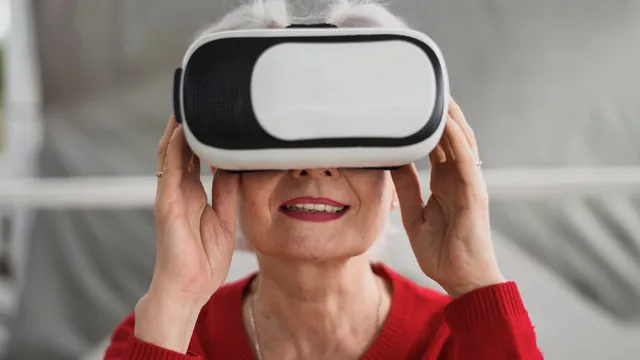
Integrating virtual reality into the daily lives of EHPAD residents
Faced with the ethical and medical dilemmas of EHPADs, virtual reality is emerging as an alternative to traditional therapies to support residents.
C2Care offers geriatrics teams immersive tools designed for the well-being and stimulation of elderly people.
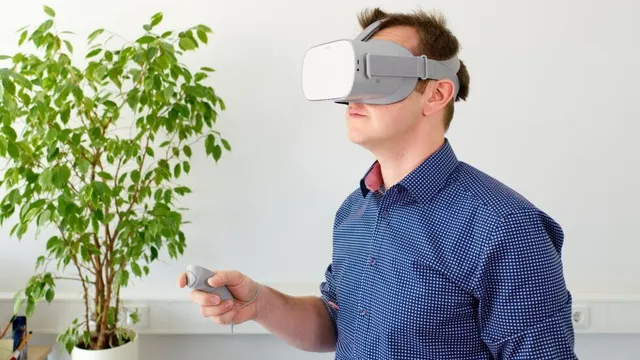
More than 10 years of expertise in virtual reality applied to mental health
For more than ten years, C2Care has been developing virtual reality solutions designed to support healthcare professionals in the care of their patients.
Our expertise lies at the intersection of several disciplines: psychology, cognitive-behavioral therapies, clinical research, design of immersive environments and virtual reality technologies.
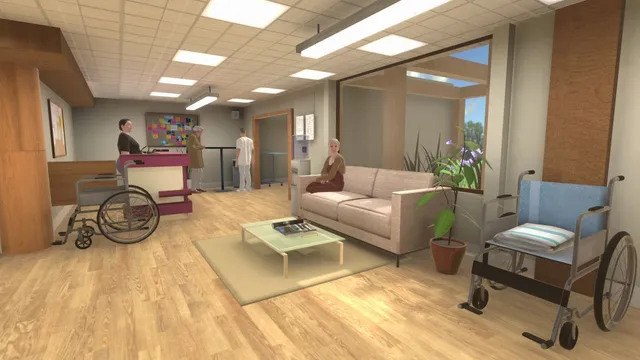
Prepare your healthcare teams for complex clinical situations
Test the C2Care digital tool for free and discover how it can support your teams on a daily basis.
Create a C2Care account to access a scene integrating the digital tool and explore the training modules: aggression management, pain management, autism spectrum disorder, addictive disorders and disorientation of the elderly.
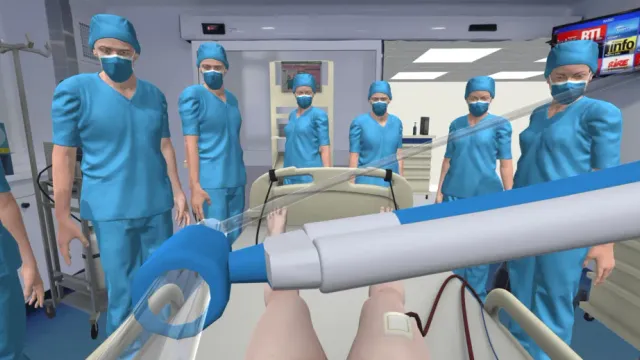
Preparing healthcare staff using virtual reality simulation
C2Care offers an immersive virtual reality solution designed with educational and medical teams, intended to train healthcare personnel in the management of aggression and pain management.
Immersive scenarios promote the acquisition of skills, supplemented by feedback from an expert trainer.

Safely expose patients to craving triggers in your practice
The virtual environments of C2Care reproduce ecological situations integrating craving cues. The patient confronts the object of his addiction while the practitioner works on permissive thoughts and problematic behavior.
Developed for tobacco, alcohol, gambling and drugs, this solution exposes the patient in complete security and confidentiality within the office.
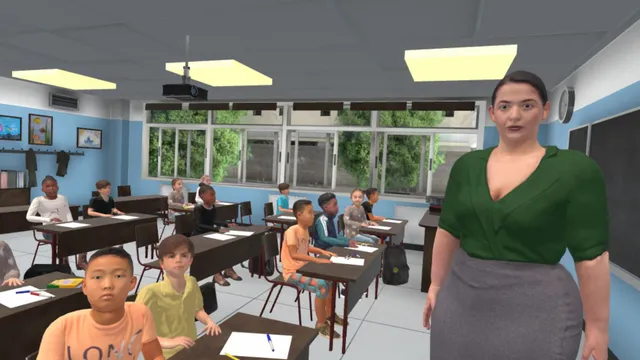
School phobia: supporting the child with virtual reality
School phobia affects 28% of young people during their schooling, with a constantly increasing prevalence. A graduated exposure in virtual reality, supervised by a psychologist and associated with cognitive-behavioral therapies, helps desensitize the child and reduce their anxiety.

Strengthening the concentration and self-control of ADHD patients
Attention deficit hyperactivity disorder affects concentration, hyperactivity and impulsivity, with impacts on school, work and social life. C2Care offers virtual reality software used since 2015 to work on attention, impulse management and stress regulation, with the support of a psychologist. According to Eric Malbos, psychiatrist, virtual reality is 80% effective, with benefits lasting more than a year after treatment.
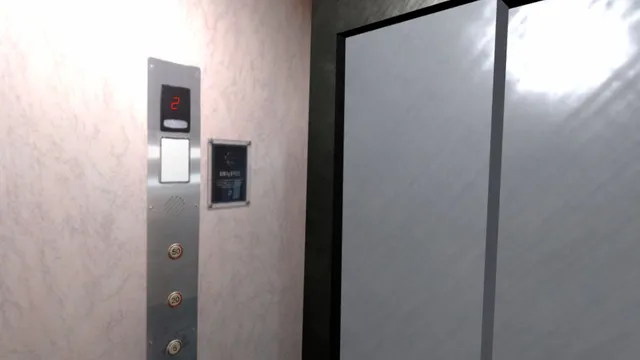
Support your claustrophobic patients with virtual reality exposure
Virtual reality exposure therapy offers progressive treatment of claustrophobia, in a controlled environment. According to Eric Malbos, psychiatrist, virtual reality is 80% effective, with benefits lasting more than a year after treatment.
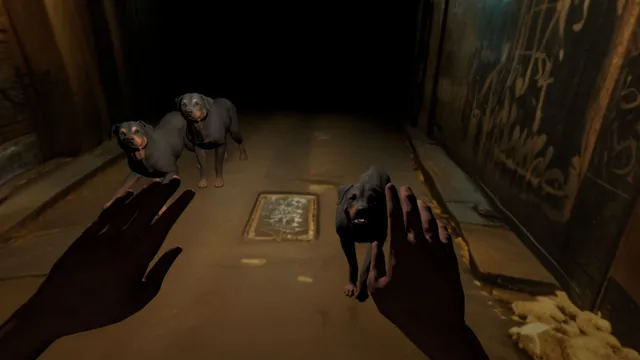
Supporting entomophobic patients with virtual reality
Seven out of ten French people are concerned, to varying degrees, by the fear of insects. C2Care offers a graduated exposure in virtual reality, supervised by a psychologist trained in cognitive-behavioral therapies, to reduce this anxiety.
“Virtual reality shows 80% effectiveness, with benefits lasting more than a year after treatment. » Eric Malbos, psychiatrist.
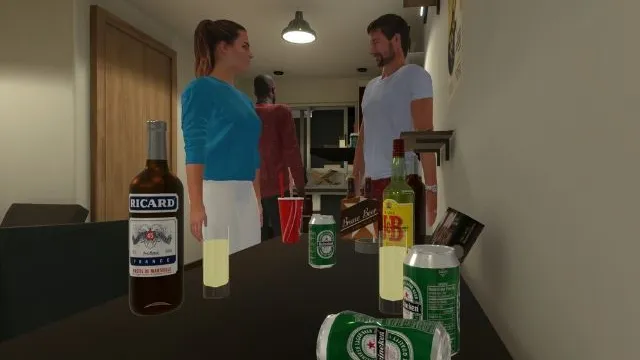
Supporting patients quitting alcohol through virtual reality exposure
Virtual reality exposure therapy offers progressive treatment for alcohol dependence, by confronting the patient with situations that trigger the urge to drink, in a controlled environment.
C2Care supports practitioners and addictologists in this process.
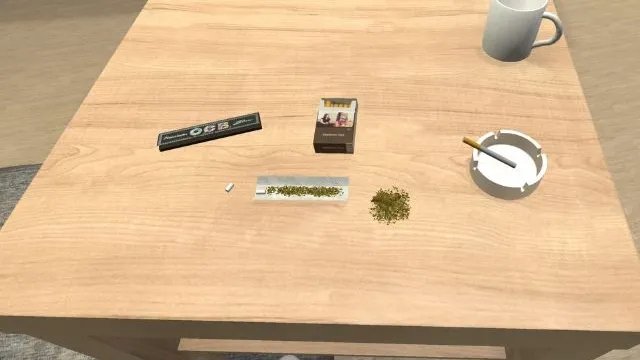
Supporting patients quitting CBD through virtual reality exposure
Virtual reality exposure therapy offers progressive treatment for CBD dependence, by confronting the patient with consumption situations in a controlled environment.
C2Care supports practitioners and addictologists in this withdrawal process.
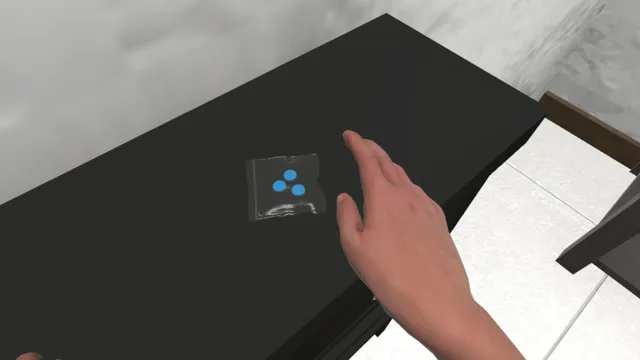
Supporting patients quitting ingested substances using virtual reality
Virtual reality exposure therapy offers progressive treatment for dependence on ingested substances, in a controlled environment.
C2Care supports practitioners in the gradual confrontation with consumption situations.
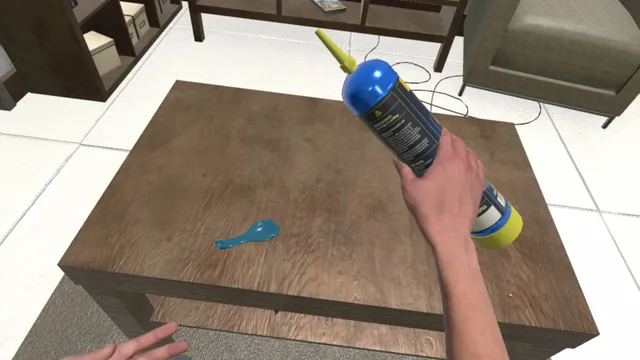
Supporting patients quitting nitrous oxide using virtual reality
Virtual reality exposure therapy offers progressive treatment for nitrous oxide dependence, by confronting the patient with their consumption situations in a controlled setting.
C2Care supports practitioners in this process.
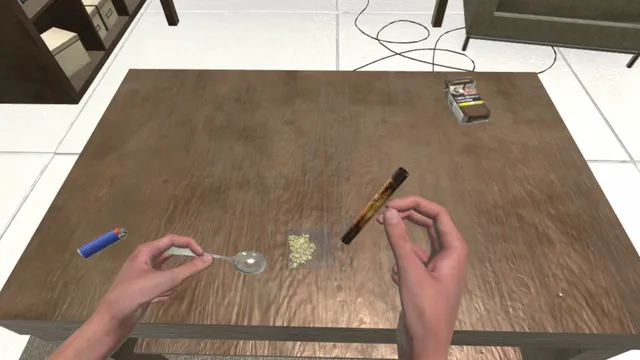
Supporting patients quitting smoked substances using virtual reality
Virtual reality exposure therapy offers progressive treatment for addiction to smoked substances, by confronting the patient with their consumption situations in a controlled setting.
C2Care supports practitioners in this process.
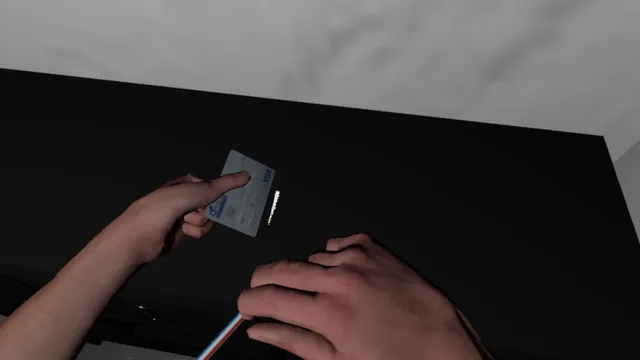
Supporting patients quitting snorted substances using virtual reality
Virtual reality exposure therapy offers progressive treatment for dependence on sniffed substances, in a controlled environment.
C2Care supports practitioners in the gradual confrontation with consumption situations.
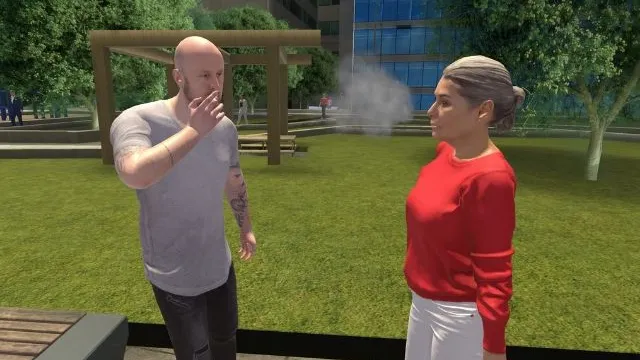
Supporting patients with addictive behaviors using virtual reality
Situations associated with consumption or addictive behavior are often difficult to reproduce in the context of a consultation.
C2Care allows professionals to recreate in virtual reality different contexts linked to tobacco, alcohol or gambling, in order to work with the patient on their reactions, their desires and the situations they may face in their daily life.

Supporting patients with depression using virtual reality
Virtual reality offers an immersive framework to support the treatment of depression, in addition to traditional therapies.
C2Care provides practitioners with soothing environments and appropriate activation tools.
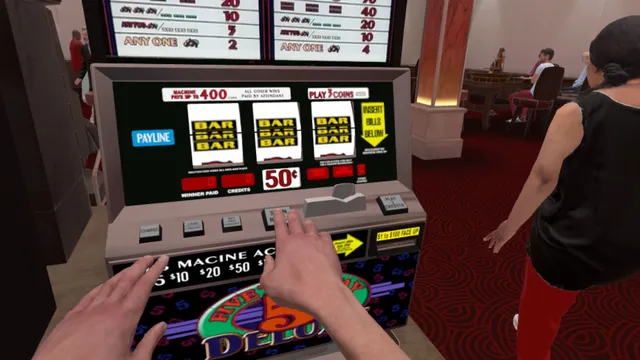
Supporting patients with gambling addiction through virtual reality exposure
Virtual reality exposure therapy offers progressive treatment for gambling addiction, by confronting the patient with gambling situations in a controlled environment.
C2Care supports practitioners in this behavioral treatment approach.
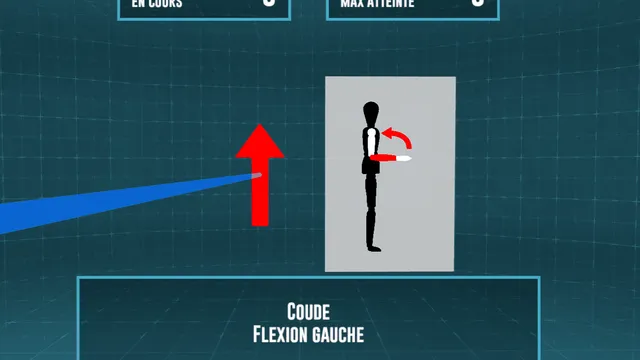
Supporting the rehabilitation of brain-injured patients in virtual reality
Our virtual reality solutions support SSR clinics and rehabilitation structures in the care of patients suffering from brain injuries. They are aimed at neuropsychologists, occupational therapists, physiotherapists and psychomotor therapists, to promote the autonomy and reintegration of brain-injured patients.
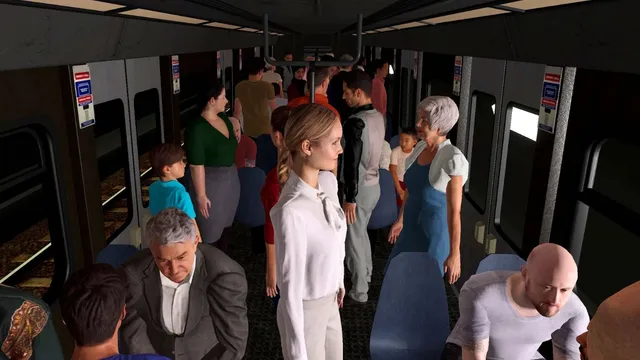
Supporting your patients in the face of fear of the metro
“Virtual reality shows 80% effectiveness, with benefits lasting more than a year after treatment. » Eric Malbos, Psychiatrist.
C2Care offers a metro environment to expose the patient to their fears in a graduated and secure manner.
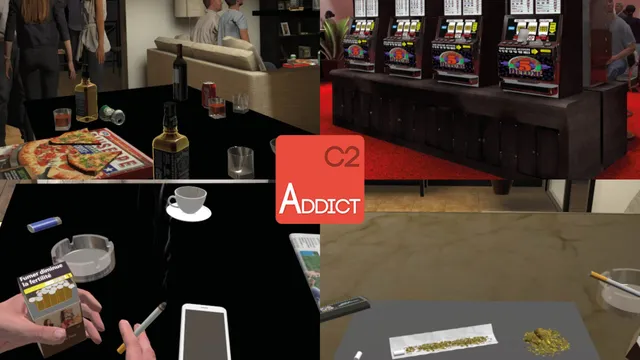
Target cravings to support your patients in addiction treatment
C2Care offers treatment for addictions to tobacco, alcohol, drugs and gambling, in virtual reality and augmented reality. Ecological environments allow cognitions, emotions and behaviors linked to addiction to emerge in the office, in complete security and confidentiality.
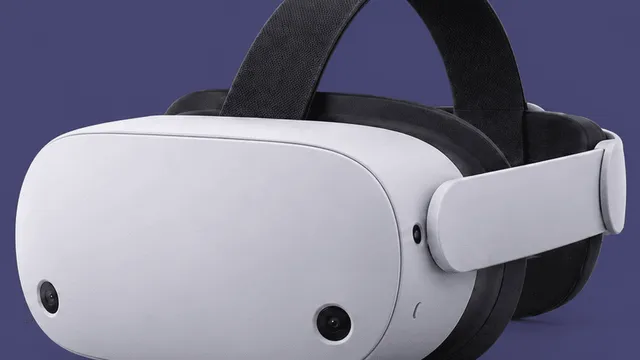
The C2Care therapeutic virtual reality headset
C2Care offers practitioners a virtual reality headset accompanied by a complete suite of therapeutic software: phobias, addictions, relaxation, cognitive stimulation.
A turnkey solution, managed by the practitioner from a single platform.
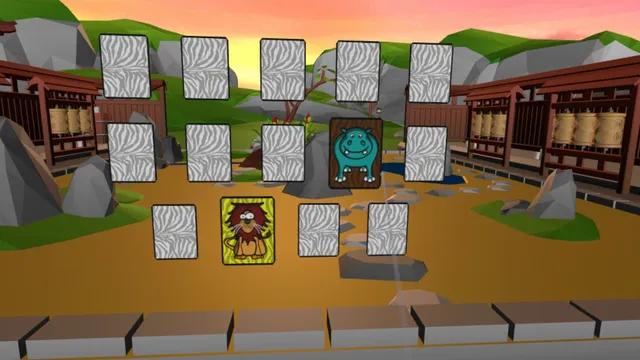
Train your patients' cognitive abilities using virtual reality
C2Care offers fun cognitive training in virtual reality, designed to stimulate your patients' information processing abilities.
Test the integrated digital tool for free and discover how it supports your patients on a daily basis.

Treating acrophobia through virtual reality exposure
Acrophobia, or fear of heights, is worked on through graduated exposure in virtual reality, in progressively more difficult environments at height. “Virtual reality is 80% effective, with benefits lasting more than a year after treatment,” according to Eric Malbos, psychiatrist.
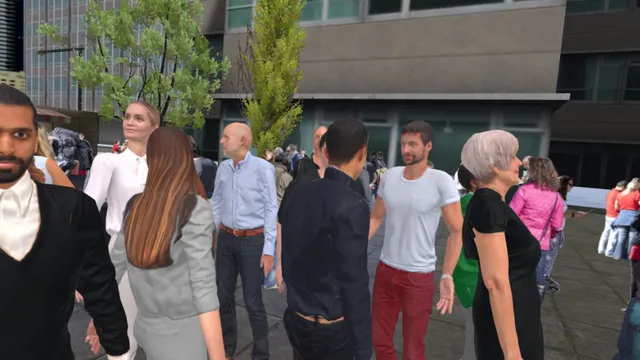
Treating agoraphobia with virtual reality exposure
Virtual reality displays 80% effectiveness against phobias, with benefits that are maintained more than a year after treatment, according to Eric Malbos, psychiatrist.
C2Care supports practitioners in the management of agoraphobia through customizable immersive environments.
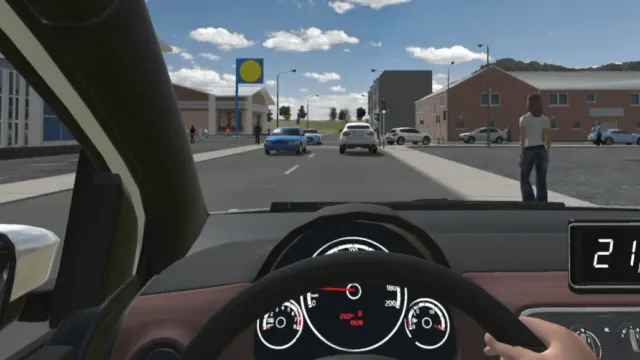
Treating amaxophobia through exposure to virtual reality
C2Care offers environments dedicated to the management of amaxophobia, the fear of driving. They allow the practitioner to gradually confront the patient with the most feared driving situations, as part of cognitive-behavioral therapy through exposure.
Treating animal phobia through virtual reality exposure
Confronting the patient with the feared animal, without real risk: this is what virtual reality exposure therapy allows. Virtual reality is 80% effective against phobias according to Eric Malbos, psychiatrist, with lasting effects beyond a year.
C2Care offers practitioners immersive environments where anxiety-inducing animals gradually appear.
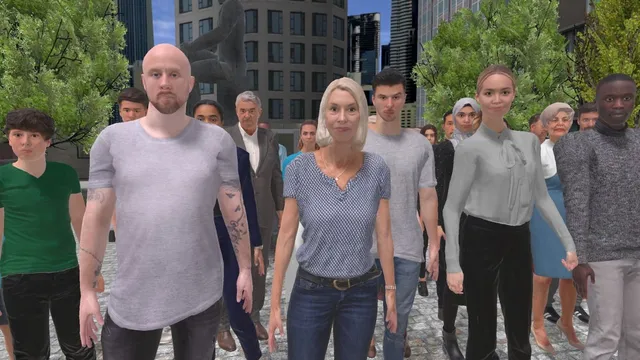
Treating anxiety disorders through virtual reality exposure
Virtual reality displays 80% effectiveness against anxiety disorders, with benefits lasting more than a year after treatment (Eric Malbos, psychiatrist). More than 1000 practitioners equipped with CHU, clinics, hospitals and private practices, already use C2Care to support their patients on a daily basis.
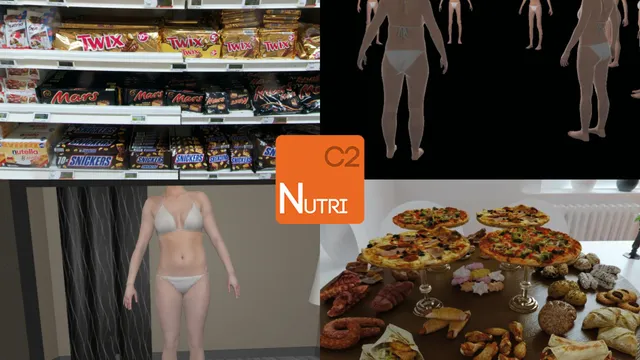
Treating eating disorders using virtual reality
Test the C2Nutri digital tool for free and discover how it can support your daily practice. Find the environments available according to the eating behavior disorders you wish to treat.
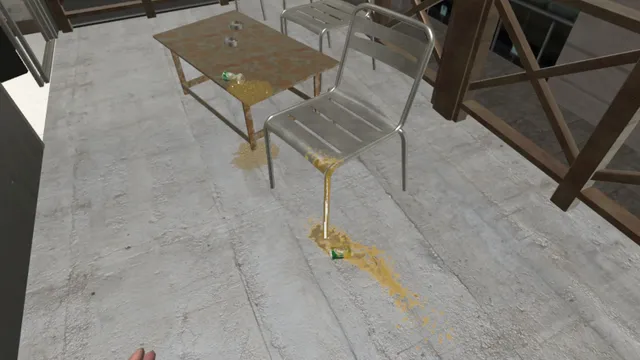
Treating emetophobia with virtual reality exposure
Virtual reality exposure therapy offers progressive treatment for emetophobia, in a controlled environment. Virtual reality displays 80% effectiveness against phobias, with benefits lasting more than a year after treatment (Eric Malbos, psychiatrist).
C2Care supports practitioners in gradually confronting feared situations.
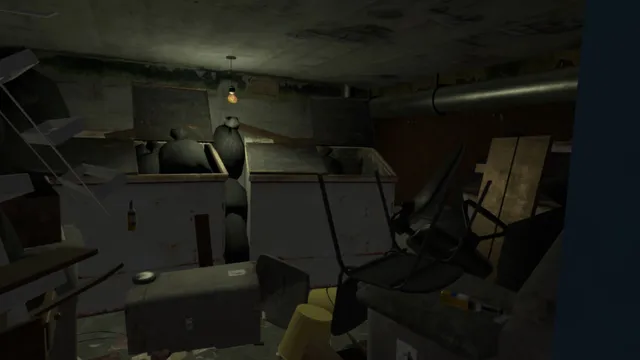
Treating Fear of Dirt and Contamination in Virtual Reality
Fear of dirt and contamination is treated through graduated exposure to avoided situations, in virtual reality. According to Eric Malbos, psychiatrist, virtual reality is 80% effective against phobias, with benefits maintained more than a year after treatment.
C2Care supports practitioners in progressive and secure care.
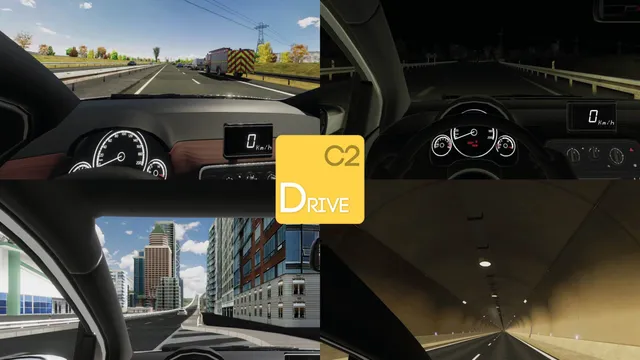
Treating fear of driving through virtual reality exposure
The fear of driving (amaxophobia) is a common phobia, difficult to treat by in vivo exposure due to the risks for the patient and the practitioner. C2Care allows you to expose your patients to the anxiogenic contexts of driving in complete safety, thanks to realistic environments simulating the highway, traffic jams or overtaking trucks.
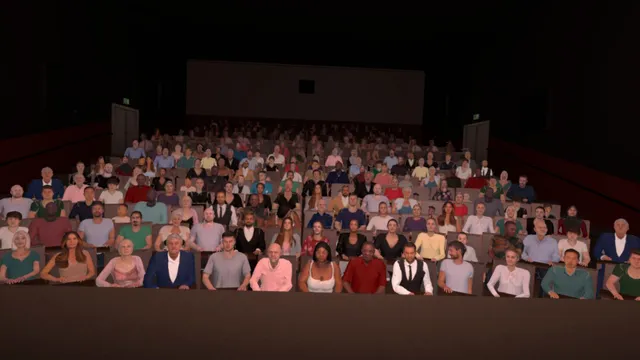
Treating Glossophobia Through Virtual Reality Exposure
Glossophobia is worked on through graduated exposure in virtual reality, in front of progressively more impressive audiences. According to Eric Malbos, psychiatrist, virtual reality is 80% effective against phobias, with lasting benefits more than a year after treatment.
C2Care provides practitioners with fully customizable speaking environments.
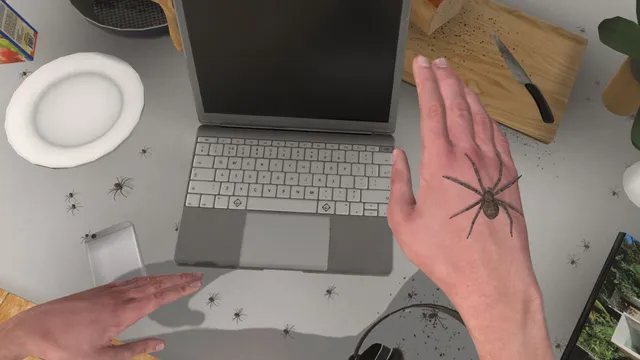
Treating phobias through exposure to virtual reality
Virtual reality exposure therapy allows you to gradually recreate the situations at the origin of a phobic fear in immersive, controlled and reproducible environments. C2Care offers numerous environments dedicated to phobias in order to adapt exposure to each situation and gradually evolve its level of difficulty.

Treating post-traumatic stress disorder through virtual reality exposure
Post-traumatic stress disorder affects nearly 10% of the world's population. Virtual reality exposure therapy allows you to recontextualize the environment linked to the traumatic event, to work on thoughts, beliefs and anxieties in a progressive and safe way, alongside a psychologist trained in cognitive-behavioral therapies (CBT). More than 1000 patients have already been supported with this approach.
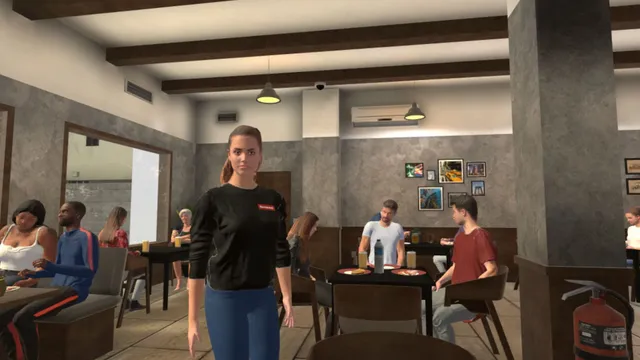
Treating social phobia using virtual reality exposure
Virtual reality displays 80% effectiveness against phobias, with benefits lasting more than a year after treatment (Eric Malbos, psychiatrist).
the assistant accompanies the patient throughout exposures linked to social phobia: public speaking, public places, school contexts, evenings or romantic dates.
Treating specific phobias through exposure to virtual reality
“Virtual reality shows 80% effectiveness, with benefits lasting more than a year after treatment. » Eric Malbos, Psychiatrist
C2Care supports practitioners in the management of specific phobias (spiders, wasps, dogs, rats) thanks to customizable immersive environments.

Virtual reality and artificial intelligence tools to enrich your clinical practice
Virtual reality and artificial intelligence offer practitioners tools to support their patients in the face of fear, anxiety, addictions or social phobia. Immersive environments allow for graduated and secure exposure, customizable according to the needs of each patient.
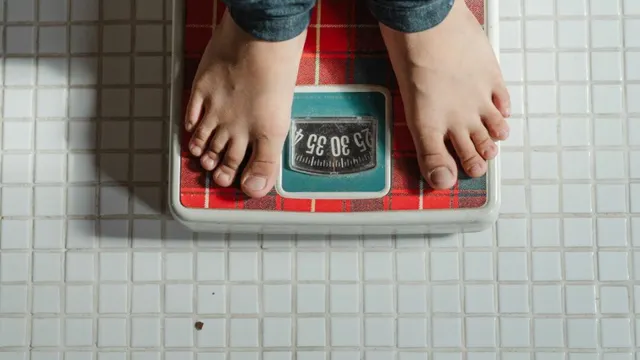
Virtual reality and CBT to support patients with eating disorders
Cognitive-behavioral therapies associated with virtual reality make it possible to work on body image, control of impulsivity and automatic thoughts related to food.
The assistant accompanies the patient without judgment at each stage of the exposure. Test this approach for free and create a C2Care account to discover a scene integrating the digital tool.
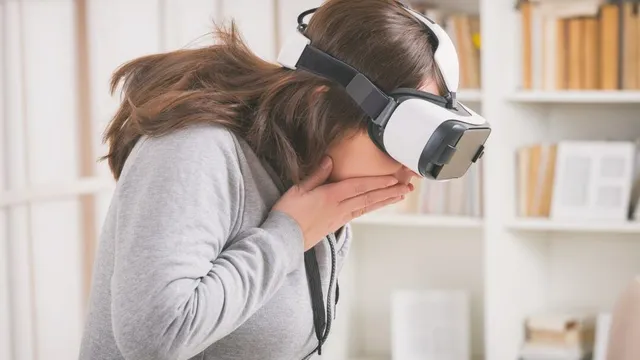
Virtual reality and phobias: graduated exposure for practitioners
Specific phobia affects between 4% and 8.8% of the population at any given time. Its treatment is based on exposure therapy, which gradually confronts the patient with the feared stimulus.
Virtual reality reproduces these situations in an immersive and secure environment, for patients unable to expose themselves in reality. According to a survey of 777 students, 76% preferred a virtual reality exposure to an in vivo exposure.
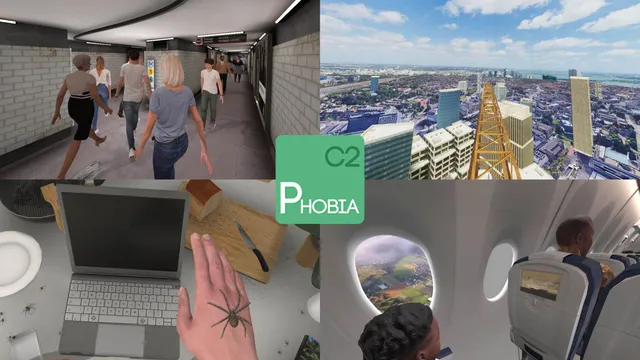
Virtual reality exposure to treat phobias
Find the C2Care environments available depending on the pathology to be treated. Create a free C2Care account to test a scene incorporating digital tools online.
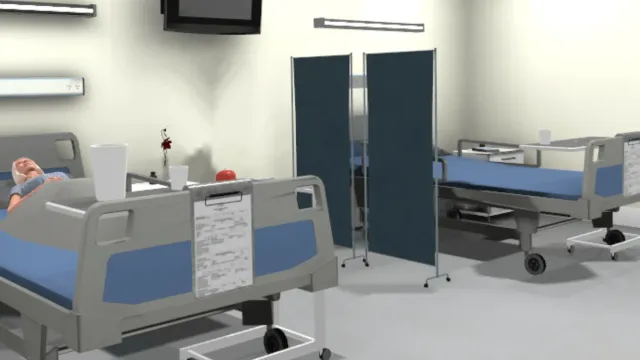
Virtual reality for the treatment of OCD
Obsessive-compulsive disorders affect 2 to 3% of the French population. A graduated exposure in virtual reality, coupled with cognitive-behavioral therapies, helps to significantly reduce anxiety linked to OCD. More than 1000 patients have already been supported with this approach.
> “Virtual reality displays 80% effectiveness, with benefits maintained more than a year after treatment. » Eric Malbos, Psychiatrist
Virtual reality therapy: the C2Care solution to support your patients
C2Care equips practitioners with immersive environments for exposure therapy.
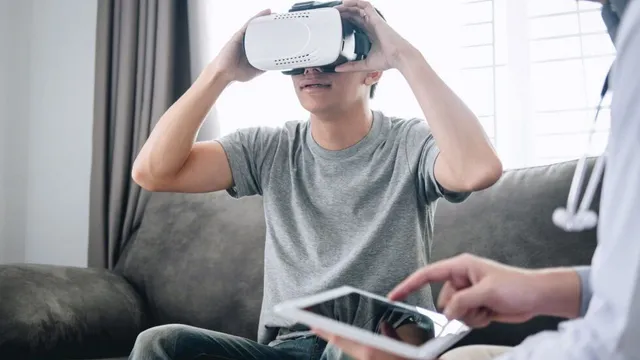
VRET and CBT: a complementary approach for your anxious patients
Virtual Reality Exposure Therapy reinforces Cognitive and Behavioral Therapy protocols. The assistant accompanies the patient without judgment at each stage of the exposure, in addition to the work carried out with the practitioner.